
Carnaval de Barranquilla 2026 took place from February 14 to 17, bringing colorful parades, traditional dances, live music, elaborate costumes, and large celebrations to Barranquilla, Colombia. Several important events also took place before the four main Carnival days.
- 1. When Was Carnaval Barranquilla 2026?
- 2. Watch the Batalla de Flores
- 3. Experience Traditional Music and Dance
- 4. See the Gran Parada de Tradición
- 5. Discover Why Carnaval de Barranquilla Is Special
- 6. Experience La Guacherna
- 7. Explore More Than the Main Parades
- 8. Plan Around the Vía 40 Events
- 9. Enjoy the Final Day of Carnival
- What to Expect at Carnaval de Barranquilla
- Conclusion
- FAQs
For travelers interested in culture and lively celebrations, the Carnival offers a chance to experience the traditions of Colombia’s Caribbean coast. Its cultural importance is also recognized by UNESCO, which inscribed the Carnival of Barranquilla on the Representative List of the Intangible Cultural Heritage of Humanity in 2008.
1. When Was Carnaval Barranquilla 2026?
The main Carnival celebration ran from Saturday, February 14, to Tuesday, February 17, 2026. The season, however, started earlier with pre-Carnival events and celebrations across the city.
The main parade schedule included the Batalla de Flores on February 14, Gran Parada de Tradición on February 15, Gran Parada de Comparsas on February 16, and the Desfile de Joselito on February 17.
This makes the Carnival more than a single weekend event, with different performances and activities taking place throughout the season.
2. Watch the Batalla de Flores
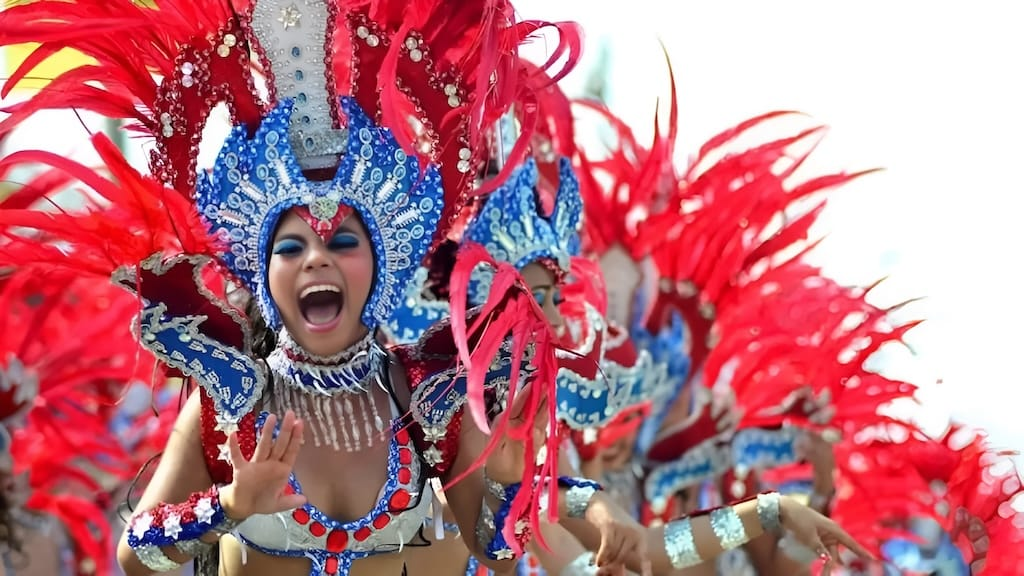
The Batalla de Flores, or Battle of the Flowers, is one of the most recognizable events of the Carnival.
In 2026, the parade took place on February 14 at the Cumbiódromo on Vía 40, starting at 10:30 a.m. The event featured colorful floats, traditional groups, costumes, music, and thousands of performers.
The Batalla de Flores is a great example of how Barranquilla combines traditional Carnival culture with large-scale entertainment.
3. Experience Traditional Music and Dance
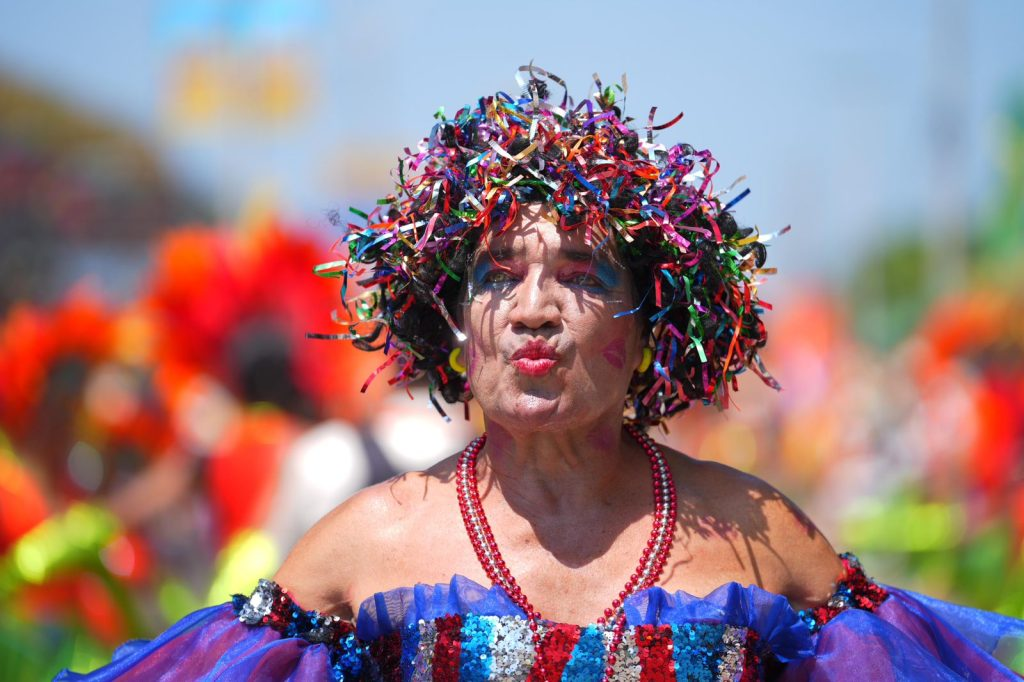
Music and dance are central to Carnaval de Barranquilla. Cumbia, puya, porro, and other musical traditions contribute to the distinctive sound of the celebration.
UNESCO describes the Carnival as a combination of dances and musical expressions originating from different Colombian cultural groups. Its traditions also reflect European, African, and Indigenous influences that came together in the Caribbean region.
During the celebration, UNESCO recognizes the Carnival for its mix of music, dance, costumes, and cultural traditions.
If you’re interested in picking up useful phrases before a cultural trip abroad, common Italian phrases for travel can also be useful for travelers preparing for future international adventures.
4. See the Gran Parada de Tradición
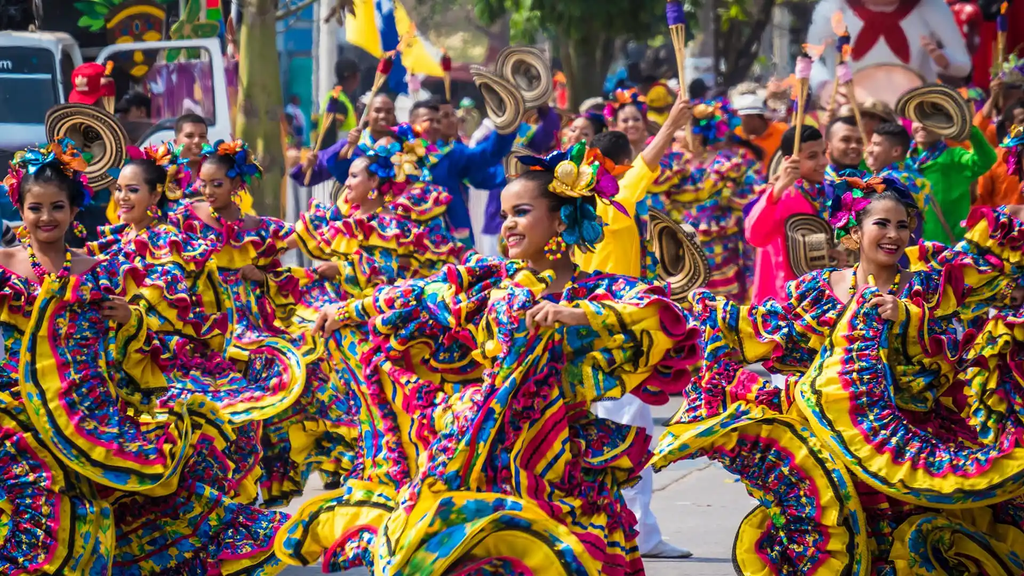
The Gran Parada de Tradición took place on February 15, 2026, at the Cumbiódromo on Vía 40. The parade began at 10:30 a.m. and featured traditional dance groups and cultural performances.
The event included folkloric groups and highlighted traditional performances such as paloteo, giving visitors a closer look at some of the Carnival’s historic dance traditions.
For travelers who enjoy cultural festivals, this parade offers a different experience from the large floats and entertainment associated with the Batalla de Flores.
5. Discover Why Carnaval de Barranquilla Is Special
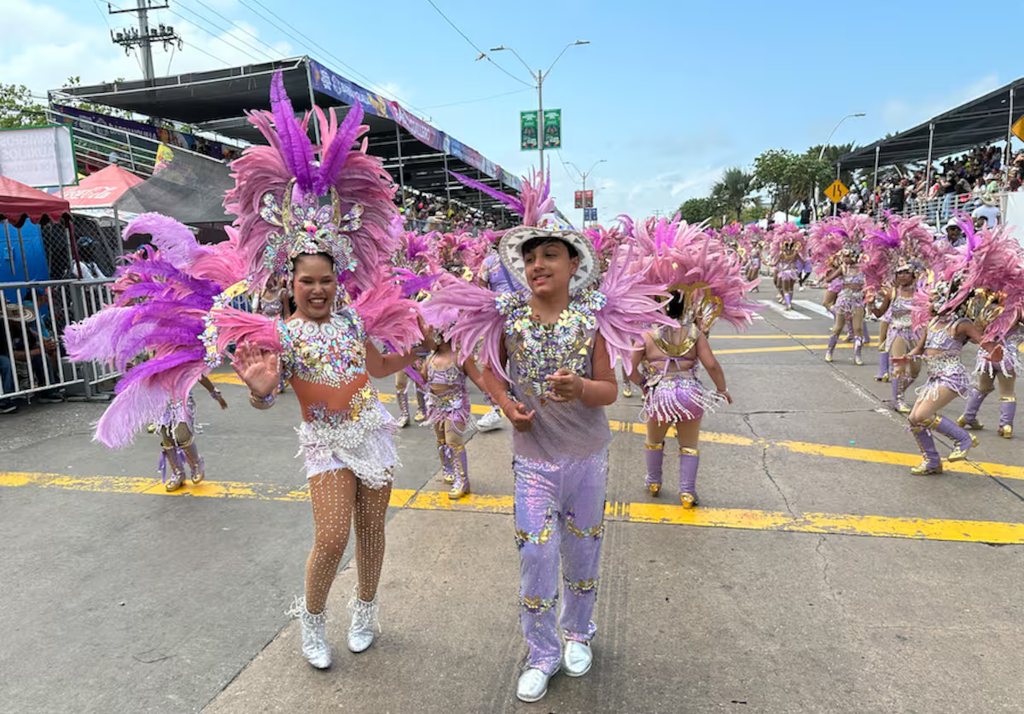
Carnaval de Barranquilla has a strong connection to the cultural history of Colombia’s Caribbean region. The festival brings together music, dance, costumes, masks, theatrical performances, and community traditions.
UNESCO explains that the Carnival’s cultural expressions reflect the convergence of European, African, and Indigenous peoples and traditions in Barranquilla. It was officially inscribed on UNESCO’s Representative List in 2008.
This cultural background is one reason the Carnival remains an important part of Barranquilla’s identity.
6. Experience La Guacherna
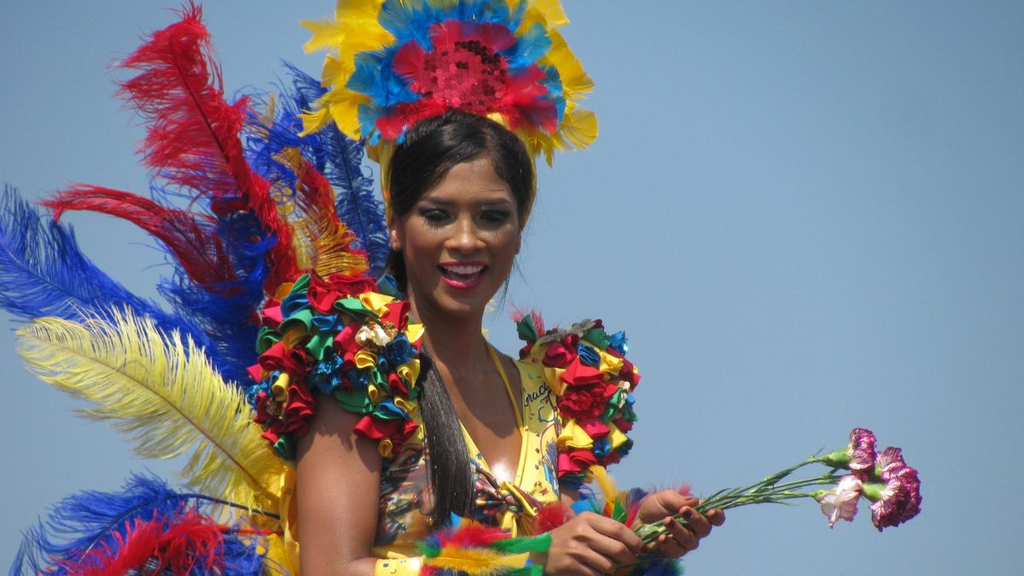
La Guacherna is one of the major events leading up to the main Carnival. In 2026, it took place on Friday, February 6, returning to its traditional Friday schedule.
The 2026 event included folkloric groups, individual costumes, traditional performances, and live music. The official Carnival organization announced more than 20,000 participants for the event.
The La Guacherna 2026 celebration shows how the Carnival atmosphere begins well before the main four days.
7. Explore More Than the Main Parades
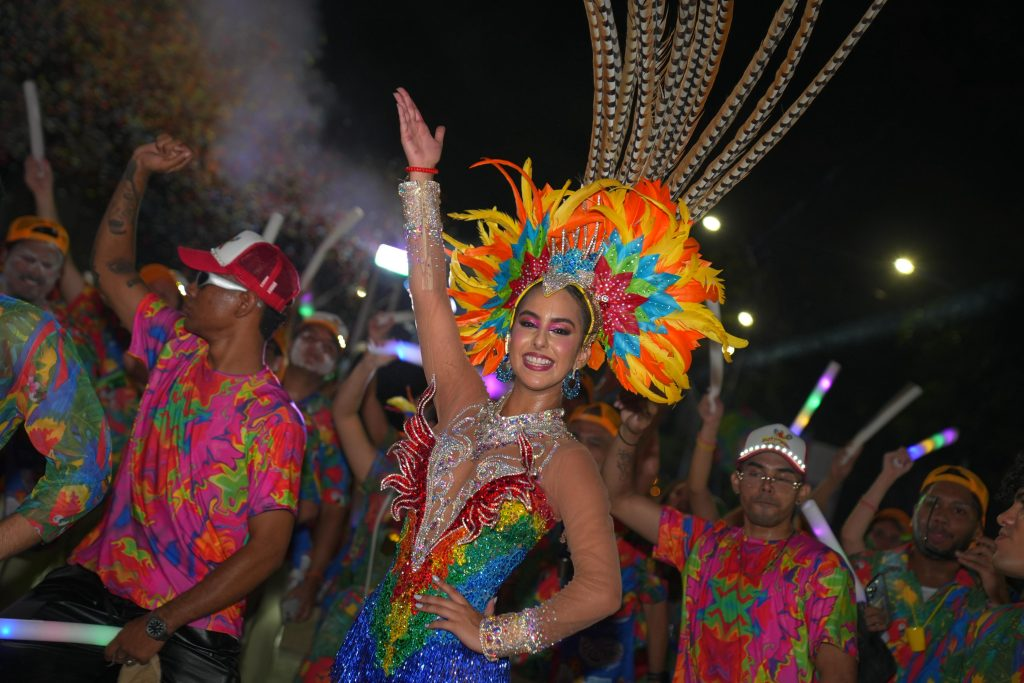
Although the major parades attract much of the attention, Carnaval de Barranquilla includes many other activities.
The 2026 program included events such as Baila la Calle, Noche del Río, Noche de Orquestas, Festival de Orquestas, and other music and entertainment programs.
Spending extra time in Barranquilla can therefore give visitors the opportunity to experience different sides of the festival instead of focusing only on one parade.
Travelers exploring Colombia and other destinations in the region can also look at Isla Holbox Mexico for another colorful Caribbean destination to consider for a future trip.
8. Plan Around the Vía 40 Events
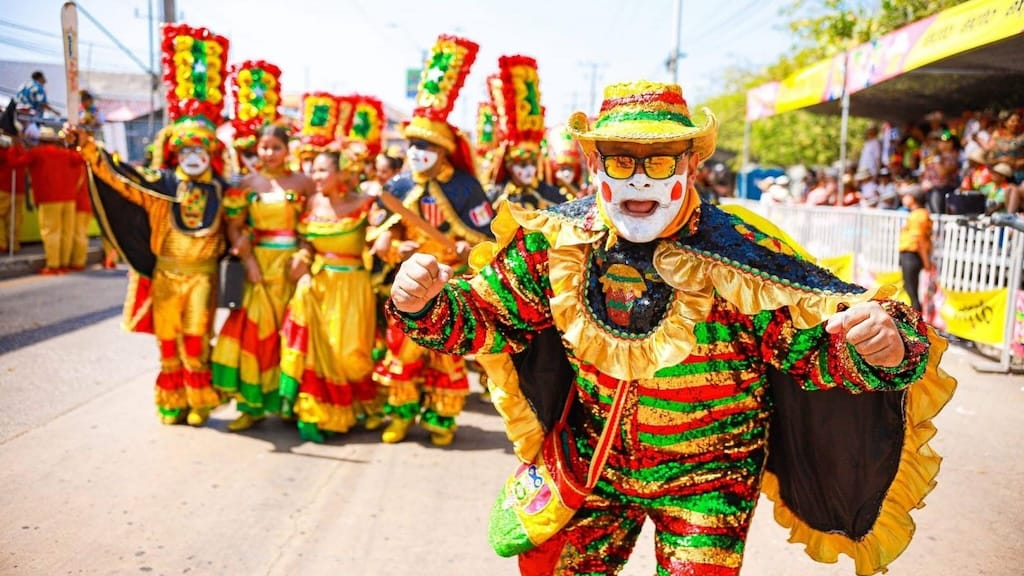
Vía 40 is one of the key areas for the Carnival’s major parades. In 2026, the Batalla de Flores, Gran Parada de Tradición, and Gran Parada de Comparsas were all part of the Vía 40 schedule.
Because these events attract large crowds, visitors should plan transportation and accommodation in advance. Comfortable shoes, light clothing, sun protection, and a secure place for important belongings can also be useful during long days at outdoor celebrations.
9. Enjoy the Final Day of Carnival
The final day of Carnaval de Barranquilla 2026 was February 17, ending the four-day main celebration.
The Desfile de Joselito was scheduled for 4:00 p.m. and served as the traditional closing event of the Carnival. The parade has a theatrical character and represents the symbolic farewell to the festivities.
Ending the trip with this event can give visitors a different perspective on the Carnival after experiencing several days of parades, music, and cultural performances.
What to Expect at Carnaval de Barranquilla
Visitors can expect crowded streets, colorful costumes, live music, dancing, traditional performances, and long days outdoors. The scale of the celebration also means that planning ahead can make the trip easier.
Rather than treating the Carnival as only a large party, travelers can explore its cultural side through traditional dances, music, masks, costumes, and local performances.
The combination of these traditions is what gives Carnaval de Barranquilla its distinctive character.
Conclusion
Carnaval de Barranquilla 2026 brought together parades, music, traditional dances, colorful costumes, and cultural performances across Barranquilla. From the Batalla de Flores and Gran Parada de Tradición to La Guacherna and the closing Desfile de Joselito, the festival offered different ways to experience Colombia’s Caribbean culture.
For travelers interested in festivals, photography, music, and cultural experiences, Barranquilla provides plenty to discover beyond the main parade route.
FAQs
When was Carnaval de Barranquilla 2026?
The main Carnaval de Barranquilla 2026 celebration took place from February 14 to February 17, 2026.
What is the Batalla de Flores?
The Batalla de Flores, or Battle of the Flowers, is one of Carnaval de Barranquilla’s major parades. In 2026, it took place on February 14 at the Cumbiódromo on Vía 40.
Is Carnaval de Barranquilla recognized by UNESCO?
Yes. The Carnival of Barranquilla was inscribed on UNESCO’s Representative List of the Intangible Cultural Heritage of Humanity in 2008.
