
Tanzania safari tours offer an incredible opportunity to experience Africa’s wildlife, open grasslands, and spectacular natural landscapes. From watching elephants move through the bush to spotting lions resting beneath trees, a safari can bring you closer to nature in ways that ordinary sightseeing cannot.
- Why Choose Tanzania Safari Tours?
- Explore Serengeti National Park
- Discover the Ngorongoro Crater
- Visit Tarangire National Park
- What Is the Best Time for Tanzania Safari Tours?
- Choose the Right Safari Package
- What to Pack for a Tanzania Safari
- Combine Your Safari With Other Travel Experiences
- How Much Do Tanzania Safari Tours Cost?
- Travel Responsibly During Your Safari
- Conclusion
- FAQs
Tanzania is home to world-famous destinations such as Serengeti National Park, Ngorongoro Crater, and Tarangire National Park. Each location offers a different experience, whether you want to witness the Great Migration, photograph wildlife, or enjoy peaceful days surrounded by nature.
With the right itinerary, travelers can combine guided game drives, comfortable safari lodges, scenic landscapes, and cultural experiences into one memorable trip.
Why Choose Tanzania Safari Tours?
Tanzania is an excellent choice for travelers who want to experience diverse wildlife and landscapes in one destination. Its national parks and conservation areas support a wide range of animals, including lions, elephants, giraffes, zebras, buffaloes, and numerous bird species.
One of the biggest attractions is the opportunity to observe animals in their natural habitats. Experienced safari guides help visitors understand wildlife behavior, identify different species, and navigate the parks responsibly.
Tanzania also offers different accommodation styles, from luxury lodges and tented camps to simpler camping options. You can choose a comfortable, high-end experience or a more adventurous trip depending on your preferences and budget.
Explore Serengeti National Park
Serengeti National Park is one of the most famous safari destinations in the world. Its expansive plains, rich wildlife, and dramatic landscapes make it a highlight of many Tanzania safari tours.
The park is particularly known for the Great Migration, when enormous herds of wildebeest and zebras move across the ecosystem in search of fresh grazing. The movement of these herds also attracts predators, creating remarkable wildlife-viewing opportunities.
The timing and location of the migration change throughout the year, so your itinerary should reflect what you hope to see. Visitors can also encounter lions, leopards, elephants, and many other animals during game drives. The Serengeti National Park wildlife experience is a major reason travelers choose Tanzania for a safari holiday.
Discover the Ngorongoro Crater
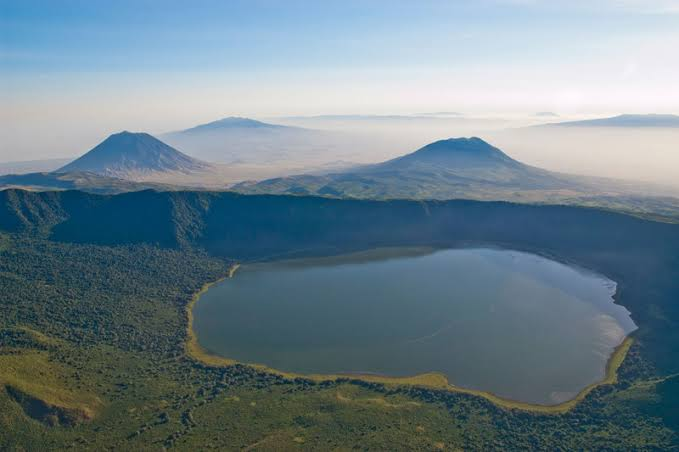
Ngorongoro Crater offers a different safari experience from the vast plains of the Serengeti. This enormous volcanic caldera contains grasslands, woodland, wetlands, and a lake, creating habitats for a variety of wildlife.
A guided game drive across the crater floor may provide opportunities to see lions, elephants, buffaloes, zebras, and other animals. The area is also known for its conservation importance and beautiful highland scenery.
Because the crater has a relatively concentrated wildlife population, it can be an excellent addition to a first-time safari itinerary. The Ngorongoro Conservation Area also offers opportunities to learn about the region’s natural landscapes, cultural heritage, and conservation efforts.
Visit Tarangire National Park
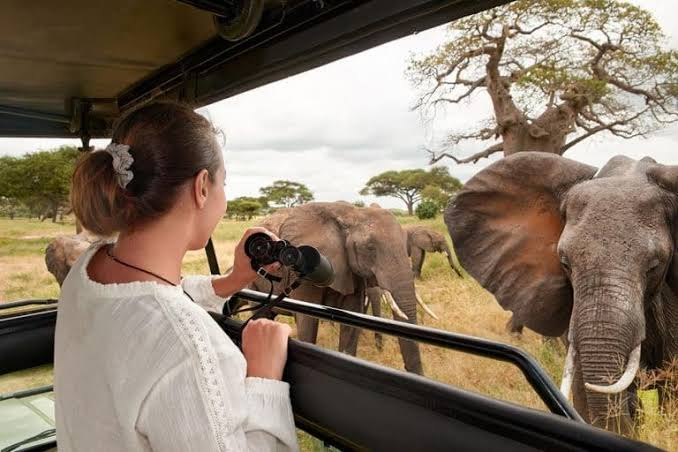
Tarangire National Park is another rewarding stop, especially for travelers interested in elephants and distinctive African scenery. The park is known for its large elephant herds, ancient baobab trees, and seasonal concentrations of wildlife around water sources.
During the drier months, animals often gather near rivers and other available water, which can make wildlife viewing particularly rewarding. The park also supports numerous bird species, making it appealing to photographers and birdwatchers.
Tarangire can fit naturally into a northern Tanzania itinerary alongside Serengeti and Ngorongoro. Planning your route around the time of year and driving distances can help you enjoy the experience without spending too much of the trip in transit.
What Is the Best Time for Tanzania Safari Tours?
The best time to book Tanzania safari tours depends on your preferred wildlife experiences, weather, and budget.
The dry season, generally from June through October, is popular because vegetation is often thinner and animals may gather around water sources. This can make wildlife easier to spot in many parks.
January and February can be especially interesting for travelers hoping to see the wildebeest calving season in the southern Serengeti. During this period, large numbers of young wildebeest are born, attracting predators and creating dramatic wildlife encounters.
The wetter months can bring greener landscapes, migratory birds, and fewer visitors in some areas. However, heavy rainfall may affect road conditions and the availability of certain camps. The Tanzania safari season information can help you compare seasonal conditions before choosing your travel dates.
Choose the Right Safari Package
Safari packages vary considerably, so it is worth understanding what each one includes before making a booking.
A short safari may focus on one or two parks, while a longer itinerary can include Serengeti, Ngorongoro, and Tarangire. Some packages use private vehicles and personalized schedules, while group safaris can be more affordable.
Accommodation is another important consideration. Luxury lodges often offer spacious rooms, dining facilities, and scenic settings, while tented camps provide a closer connection to the natural surroundings. Budget camping trips may suit travelers who prioritize adventure and lower costs.
Before booking, compare the itinerary, park fees, accommodation, meals, airport transfers, and game drives. Tanzania’s national park authorities provide information about park visits and safari planning, which can help you understand the practical arrangements involved.
What to Pack for a Tanzania Safari
Packing thoughtfully can make long game drives and early morning departures more comfortable.
- Lightweight clothing: Choose breathable layers in neutral colors that blend into the natural surroundings.
- Comfortable footwear: Walking shoes are useful around camps and lodges.
- Sun protection: Bring sunscreen, sunglasses, and a wide-brimmed hat.
- Binoculars and a camera: These can help you observe wildlife and capture animals from a distance.
- A light jacket: Early morning game drives can feel cool, especially during the dry season.
- Personal essentials: Pack any required medication, insect repellent, and travel documents.
It is also useful to keep your luggage manageable, particularly when your itinerary includes small aircraft transfers between safari destinations.
Combine Your Safari With Other Travel Experiences
A Tanzania safari can be the main focus of your holiday, but you can also combine it with other experiences if you have extra time. Some travelers add a relaxing beach stay in Zanzibar, while others explore local communities, visit cultural attractions, or spend time in the landscapes around Mount Kilimanjaro.
If you enjoy discovering different landscapes and outdoor activities, a trip to Isla Holbox in Mexico offers a contrasting experience, with coastal scenery, sandy beaches, and a laid-back island atmosphere.
For travelers who appreciate nature-focused destinations, things to do in Bariloche offers another source of inspiration, from mountain views and lakes to outdoor adventures.
How Much Do Tanzania Safari Tours Cost?
The cost of Tanzania safari tours depends on the length of the trip, the parks you visit, your accommodation, group size, and the season.
Budget camping safaris generally cost less than private tours with luxury lodges. Private vehicles, internal flights, premium accommodation, and specialized activities can increase the total price.
When comparing offers, look beyond the headline rate. Check whether park entry fees, meals, transfers, guide services, and airport pickups are included. Also ask about additional charges, cancellation terms, and the payment schedule.
Booking early can provide more accommodation choices during busy periods. However, a less expensive itinerary may still offer excellent wildlife experiences if the route and timing suit your interests.
Travel Responsibly During Your Safari
Responsible tourism helps protect wildlife and supports the communities connected with Tanzania’s tourism industry.
Follow your guide’s instructions, keep a safe distance from animals, and never ask a driver to approach wildlife in a way that could disturb it. Feeding wild animals or leaving designated roads where prohibited can put both visitors and wildlife at risk.
Consider safari operators that follow park regulations, treat staff fairly, and demonstrate a commitment to conservation. Respect local customs when visiting communities, and always ask permission before photographing people.
A responsible safari allows you to enjoy Tanzania’s natural beauty while helping preserve it for future visitors.
Conclusion
Tanzania safari tours combine remarkable wildlife, dramatic landscapes, and opportunities to experience one of Africa’s most celebrated natural destinations. From the sweeping plains of Serengeti National Park to the wildlife-rich Ngorongoro Crater and elephant-filled landscapes of Tarangire, each destination brings something different to the journey.
The best safari depends on your budget, travel dates, preferred accommodation, and the animals you hope to see. Compare itineraries carefully, prepare for changing weather, and choose a responsible operator to make the most of your adventure.
With thoughtful planning, a Tanzania safari can become a memorable journey filled with extraordinary wildlife encounters and lasting experiences.
FAQs
What is the best month for Tanzania safari tours?
June through October is popular for wildlife viewing in many parks because the dry conditions can make animals easier to spot. January and February are also excellent options for the wildebeest calving season in the southern Serengeti.
How many days do you need for a Tanzania safari?
Around five to seven days can provide time to explore several northern safari destinations, although shorter and longer trips are possible. Your ideal duration depends on the parks you want to visit and your budget.
Are Tanzania safari tours suitable for first-time visitors?
Yes. Guided safari tours are a practical option for first-time visitors because experienced guides handle park navigation, wildlife spotting, and much of the daily planning. Choose a package that clearly explains its inclusions and travel arrangements.
