
A Himalayas trip can be as adventurous or as relaxing as you want it to be. You could spend your days hiking mountain trails, exploring small villages, enjoying views of snow-covered peaks, or simply sitting somewhere quiet with a cup of tea and a beautiful view.
- Where Should You Go on a Himalayas Trip?
- 1. Nepal for Classic Mountain Adventures
- 2. Pakistan for Dramatic Mountain Scenery
- 3. India for Hill Stations and Forest Trails
- When Is the Best Time to Visit the Himalayas?
- What Can You Do During a Himalayas Trip?
- How to Pack for a Himalayas Trip
- Where Should You Stay?
- Important Safety Tips for Mountain Travel
- How Many Days Do You Need?
- Conclusion
- FAQs
The Himalayas stretch across several countries, including Nepal, India and Pakistan, so there is no single way to experience them. Your destination will depend on your budget, the time of year, and whether you prefer easy sightseeing or challenging treks.
Where Should You Go on a Himalayas Trip?
1. Nepal for Classic Mountain Adventures
Nepal is a natural choice for travelers dreaming of Himalayan scenery. Kathmandu offers historic temples and busy local markets, while Pokhara is known for its lakeside setting and views of the Annapurna range.
If you want to hike, there are routes for different experience levels, from short walks to multi-day journeys toward Everest Base Camp and other famous mountain destinations. You do not have to attempt a demanding trek to enjoy Nepal’s landscapes.
Before choosing a route, check the Nepal Tourism Board’s trekking guidance. Some trekking areas require licensed guides, permits or other documentation, depending on the route.
2. Pakistan for Dramatic Mountain Scenery
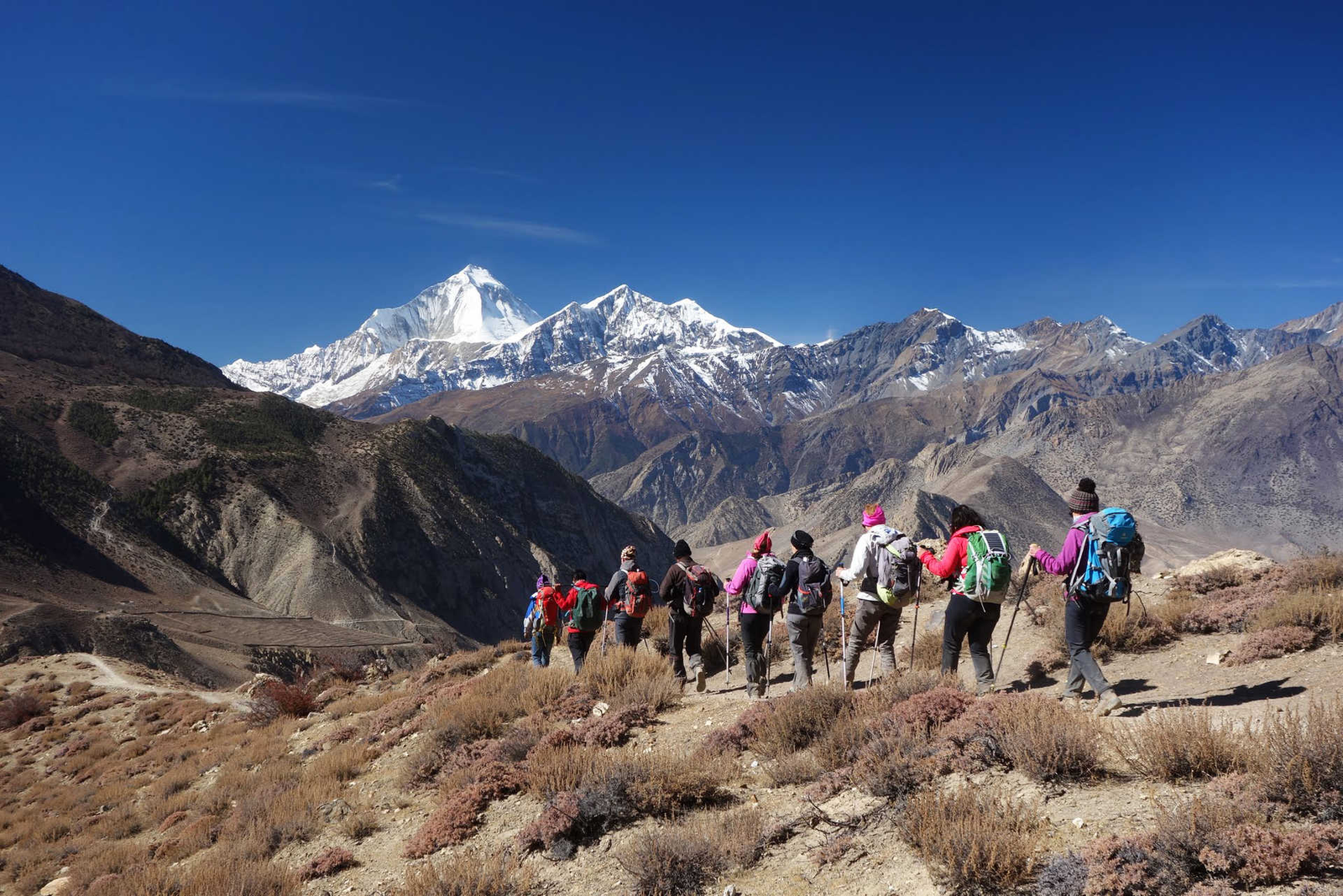
Pakistan’s northern areas are popular with travelers looking for high peaks, turquoise lakes, remote valleys and winding mountain roads. Hunza, Skardu and Fairy Meadows are well-known destinations in the wider northern mountain region, although they are not all part of the Himalayan range; several belong to the Karakoram.
You can spend your time visiting viewpoints, exploring local villages, taking photographs or arranging guided hikes. The journey itself can be a highlight, with mountain scenery appearing around bends in the road.
For destination ideas and practical travel information, the Salam Pakistan tourism portal is a useful starting point.
Plan your transfers carefully, especially if you are visiting several valleys. Road journeys can take longer than expected, and weather or road conditions may affect your schedule.
3. India for Hill Stations and Forest Trails
India’s Himalayan states offer a mix of mountain towns, forested valleys, cultural attractions and trekking routes. Manali is popular for its mountain views and outdoor activities, while Shimla appeals to travelers who enjoy historic architecture, shopping streets and scenic surroundings.
If you prefer nature over busy towns, Himachal Pradesh also has walking trails and protected landscapes worth exploring. For example, the Great Himalayan National Park is known for its forests, alpine scenery and wildlife.
Choose your base according to the activities you want to do. A relaxing hill-station holiday requires a different itinerary from a trip focused on long hikes or high mountain passes.
When Is the Best Time to Visit the Himalayas?
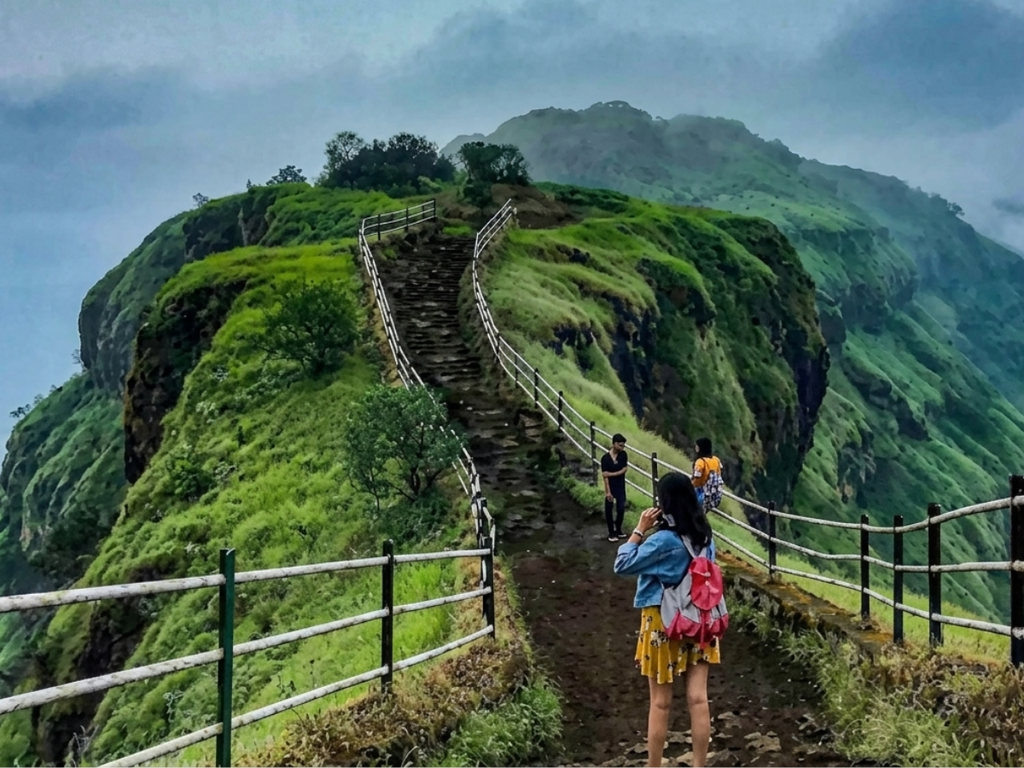
The right time depends on where you are going and how high you plan to travel. Weather can vary considerably between countries, valleys and elevations, so check local conditions before booking.
- March to May: Spring brings flowers and fresh greenery to many lower-altitude areas. It can be a lovely time for sightseeing and selected hikes, although higher trails may still have snow.
- June to September: Many high-altitude routes become accessible during summer. However, monsoon rain can affect travel in parts of India and Nepal.
- September to November: Autumn often brings clear skies and good mountain visibility in many destinations. It is a popular season for trekking.
- December to February: Winter offers snowy scenery in suitable locations, but freezing temperatures and closed roads can limit travel.
If mountain views are your priority, allow some flexibility in your plans. Clouds can hide even the most famous peaks, and a little extra time gives you a better chance of enjoying clear weather.
What Can You Do During a Himalayas Trip?
You do not need to be an experienced climber to enjoy the region. The activities available depend on your destination, but there are plenty of ways to spend time outdoors.
Go for a scenic hike. Choose a trail that matches your fitness level rather than selecting one just because it is famous. Short walks around established mountain towns can offer beautiful views without requiring a multi-day trek.
Explore local villages. Small settlements offer a glimpse into mountain life, traditional homes, regional food and local customs. Take time to explore respectfully and ask permission before photographing people.
Enjoy mountain photography. Early mornings can provide beautiful light, while changing weather creates different moods across the landscape. If photography is a major part of your trip, plan stops around viewpoints rather than rushing from one destination to another.
Try regional food. Local dishes vary across the Himalayas, reflecting the cultures and ingredients of each area. Eating at small local restaurants can be a memorable part of the experience.
For another mountain destination with a mix of scenery and outdoor activities, things to do in Bariloche offers ideas for a different kind of mountain getaway.
How to Pack for a Himalayas Trip
Mountain weather can change quickly. A sunny afternoon may be followed by cold winds or rain, especially at higher elevations, so packing layers is more useful than relying on one heavy jacket.
Bring comfortable walking shoes with good grip, a waterproof outer layer, warm clothing, sunscreen, sunglasses and a reusable water bottle. A small first-aid kit and a power bank can also come in handy.
Your bag should match your itinerary. A short stay in a hill station requires less equipment than a multi-day trek, where you may need specialist clothing, sleeping gear and supplies. Avoid carrying unnecessary weight if you expect to walk for several hours.
Where Should You Stay?
You can find hotels, guesthouses, homestays, mountain lodges and trekking teahouses in different parts of the Himalayas. The available facilities depend on how remote your destination is.
In larger towns, staying near restaurants and transport can make day trips easier. For a trekking holiday, accommodation close to your trailhead may save time and reduce the need for early transfers.
Book ahead during popular seasons, particularly if you want a specific property or are traveling with a group. For remote areas, confirm what is included in your stay and whether meals, transfers or guides need to be arranged separately.
Important Safety Tips for Mountain Travel
A mountain holiday is more enjoyable when you leave room for changing conditions. Check weather forecasts and local travel advice, and avoid assuming that a road or trail will remain open throughout your visit.
If you plan to trek at high altitude, allow time to acclimatize and choose a route that suits your experience. Headaches, nausea, dizziness or unusual tiredness can be signs of altitude sickness. Do not continue climbing if you develop concerning symptoms; seek medical advice and descend when necessary.
For challenging hikes, use a qualified local guide and check permit requirements before setting off. The Himachal Pradesh trekking guidance also highlights the importance of suitable equipment, planning and safety on mountain routes.
Finally, respect local communities and the natural environment. Stay on established trails, take your rubbish with you, and avoid disturbing wildlife.
How Many Days Do You Need?
A four-to-seven-day trip can work well if you choose one destination and focus on nearby attractions. It gives you time to explore a town, enjoy a few scenic outings and leave some room for bad weather.
If you want to combine several valleys or complete a multi-day trek, allow more time. Distances on a map can be misleading in mountainous terrain, where winding roads and difficult conditions can make journeys slow.
Rather than trying to see everything, choose a few places you genuinely want to experience. A slower itinerary often leaves more time for the views and moments that make mountain travel special.
Conclusion
A Himalayas trip does not have to mean climbing a famous peak or completing a difficult trek. You can enjoy the mountains through scenic drives, peaceful villages, short hikes, local food and unforgettable views.
Choose your destination according to the season, your fitness level and the type of holiday you want. With sensible preparation and a flexible itinerary, you can enjoy the Himalayas at your own pace.
FAQs
What is the best time for a Himalayas trip?
September to November is often a good period for trekking and mountain views in many areas. Spring can also be rewarding, but the best season depends on the destination and altitude.
Is a Himalayas trip suitable for beginners?
Yes. Beginners can enjoy hill stations, scenic viewpoints and short guided hikes. More demanding treks require additional preparation, and some routes have specific guide or permit requirements.
How much time should I spend in the Himalayas?
Four to seven days can be enough for one destination and nearby attractions. Plan a longer stay if you want to visit multiple regions or complete a multi-day trek.
