

Japan is one of those destinations that can feel completely different depending on when you visit. In spring, cherry blossoms soften the streets and parks. Autumn brings colorful leaves, while winter turns the northern parts of the country into a snowy escape. Even the same city can offer a very different experience from one season to another.
- March and April for Cherry Blossoms
- May Is a Lovely Time to Explore
- June and July Bring Rain and Summer Events
- August Is for Festivals, Not Escaping the Heat
- September Can Be Worth Considering
- October Is One of the Easiest Months for Sightseeing
- November Is Beautiful for Autumn Colors
- Winter Is Ideal for Snow and Hot Springs
- Which Month Should You Choose?
- A Few Things to Know Before Booking
- Conclusion
- FAQs
So, what are the best months to visit Japan? For many travelers, April, October, and November are excellent choices. April is popular for cherry blossoms, while October and November usually bring more comfortable temperatures for exploring cities and countryside areas. The best month for your trip, however, depends on what you want to see and how you prefer to travel.
March and April for Cherry Blossoms
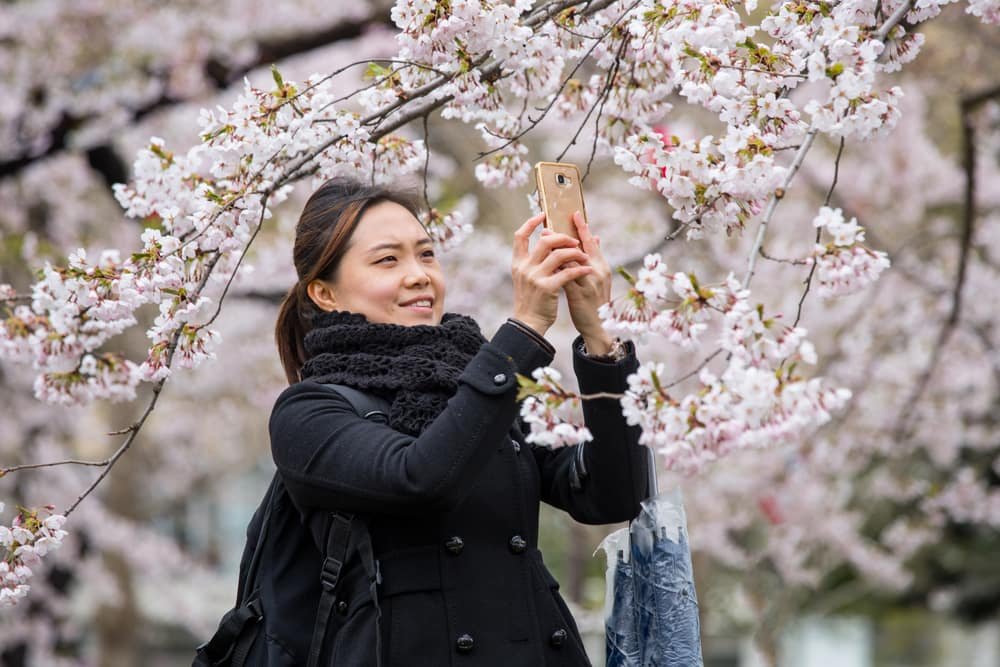
If seeing cherry blossoms is on your Japan wish list, spring is probably the season you have imagined. During March and April, parks, riversides, and gardens in many parts of the country begin filling with delicate pink and white flowers.
Tokyo is a popular place to start, but Kyoto has its own appeal, with blossoms surrounding historic temples and traditional streets. You might spend a morning exploring a garden, then find a quiet spot for a picnic beneath the trees. The timing of the blossoms changes every year, so it is worth checking the spring forecast before booking your flights.
Spring is beautiful, but it is no secret among travelers. Hotels can become expensive around peak blossom dates, and famous viewing spots may be packed with visitors. If you would rather avoid the biggest crowds, consider visiting less-famous parks or traveling to a different region.
May Is a Lovely Time to Explore
May is a good option if you want to spend your days walking around Japan without dealing with the strongest summer heat. The gardens are green, the countryside looks fresh, and outdoor sightseeing is often enjoyable.
It is a nice time to explore Kyoto’s older neighborhoods, take a day trip from Tokyo, or enjoy the scenery around Mount Fuji. You can also build a flexible itinerary with a mix of city attractions and outdoor stops.
There is one thing to watch out for: Golden Week, a group of public holidays that usually falls in late April and early May. Many people travel within Japan during this period, which can make trains and hotels particularly busy. If your dates are flexible, traveling after the holiday rush may be more comfortable.
June and July Bring Rain and Summer Events
June is the rainy season in many parts of Japan. That might not sound ideal for a holiday, especially if you have planned lots of walking, but the rain also gives gardens and forest landscapes a beautiful, lush appearance.
July tends to be warmer and more humid. It is also when summer festivals begin drawing crowds, with traditional performances, food stalls, and celebrations taking place in different cities and towns.
If you visit during these months, leave some room in your schedule for rainy days. A museum, café, or shopping district can be a welcome alternative when the weather changes. You can also compare regional conditions using this Japan weather guide before deciding where to go.
August Is for Festivals, Not Escaping the Heat
August has plenty going on, from fireworks displays to local festivals that bring neighborhoods to life. If experiencing Japanese summer culture is important to you, it can be a rewarding month to visit.
The weather is another story. Tokyo, Osaka, and Kyoto can feel extremely hot and humid, especially in the middle of the day. Sightseeing is often easier in the early morning or evening, when you can take breaks from the heat.
Hokkaido may be a better choice if you prefer a cooler summer destination. Keep in mind that August is a popular holiday period, and typhoons can sometimes affect travel plans. Packing light clothing and keeping an eye on forecasts will make your trip easier.
September Can Be Worth Considering
September is a bit unpredictable. Summer heat often lingers, but the weather gradually starts changing as autumn approaches. Some places become quieter after the busiest summer travel period, which can be appealing if you prefer a more relaxed atmosphere.
The main drawback is the possibility of typhoons and heavy rain. These can affect flights, trains, and outdoor activities, so avoid planning every day too tightly.
If you find a good flight deal for September, there is no reason to rule it out. Just choose flexible bookings where possible and have a few indoor activities ready in case the weather does not cooperate.
October Is One of the Easiest Months for Sightseeing
For travelers who want to explore several parts of Japan in one trip, October is often a strong choice. The intense summer humidity has usually eased, making long walks through cities, temples, and gardens much more pleasant.
You could spend a few days exploring Tokyo before heading to Kyoto, or use the month for a countryside trip. Mountain areas in northern Japan may already show autumn colors, although the timing varies depending on the location and temperature.
October is especially suitable if you do not have one particular seasonal event in mind and simply want to experience Japan comfortably. It is still a popular travel month, so booking ahead is sensible if you plan to stay in well-known tourist areas.
November Is Beautiful for Autumn Colors
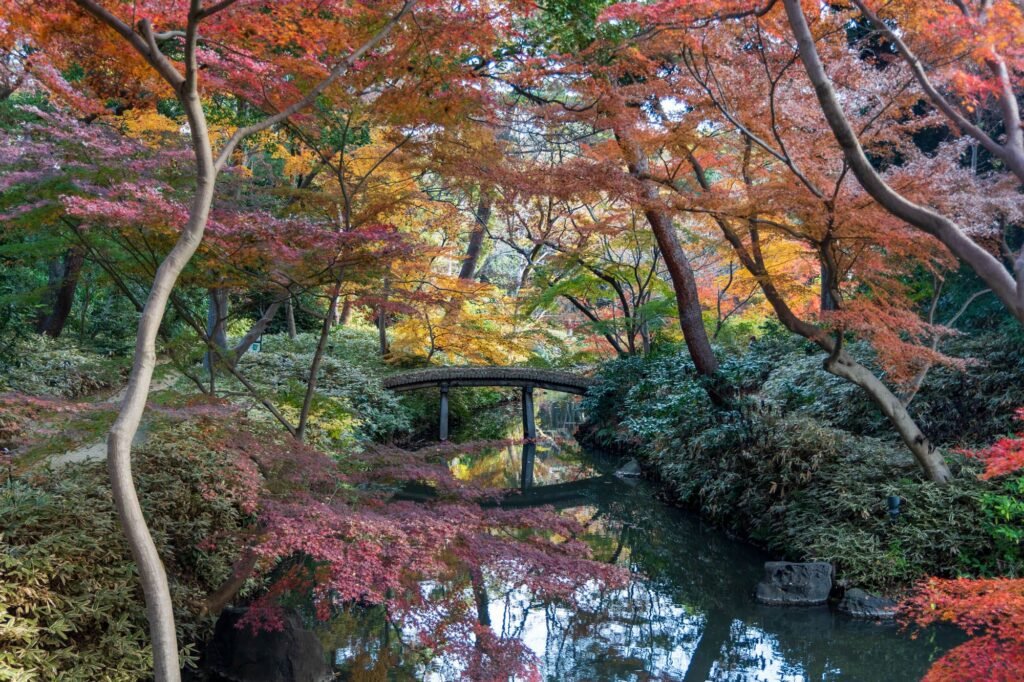
November is a wonderful month for anyone who enjoys autumn scenery. Trees turn red, orange, and gold, giving parks, temple gardens, and mountain landscapes a completely different look.
Kyoto is a favorite for autumn foliage, but you do not have to spend your entire trip there. Tokyo also has attractive gardens and parks, and smaller towns can offer beautiful views without the same crowds as major tourist spots.
The best time to see the leaves depends on the region and the weather that year. Before finalizing your itinerary, check the autumn forecast and allow some flexibility if seeing peak colors is a priority.
If you are still deciding which destinations belong on your itinerary, this list of places to visit in Japan can help you narrow down your options.
Winter Is Ideal for Snow and Hot Springs
Japan in winter is a different experience altogether. In Hokkaido and other snowy regions, you can go skiing, enjoy winter scenery, and visit destinations known for their snow festivals. After spending time outdoors, soaking in a hot spring can be one of the most relaxing parts of the trip.
Cities such as Tokyo are also enjoyable in winter. You can explore shops, visit museums, try seasonal food, and see winter illuminations without dealing with the summer humidity.
January and February are particularly good for snow activities, although conditions depend on the destination. If you plan to travel around New Year, check opening schedules in advance because some businesses and attractions may close for the holiday.
Which Month Should You Choose?
There is no single month that suits every traveler. If cherry blossoms are the main reason for your trip, aim for spring and keep your dates flexible. If you prefer comfortable weather for walking around cities, October is a practical choice. November is especially appealing for autumn colors, while January and February make more sense for skiing and snowy landscapes.
Budget matters, too. Popular blossom periods and autumn foliage dates can bring higher hotel prices and larger crowds. Traveling outside these peak periods may help you save money, although prices will still depend on your route, accommodation, and booking dates.
Think about what you would regret missing most. Once you know whether your priority is flowers, festivals, autumn scenery, or winter sports, choosing a travel month becomes much easier.
A Few Things to Know Before Booking
Japan’s weather varies considerably between regions, so do not assume every destination will have the same conditions. Hokkaido can be cold while Okinawa remains comparatively mild. If you are visiting several regions, check the forecast for each stop rather than relying on a general national average.
It is also worth booking accommodation early if your trip overlaps with cherry blossom season, autumn foliage, or major public holidays. Keep your daily plans realistic, especially if you intend to travel between cities. Japan has an excellent transport network, but changing hotels every night can take time away from actually enjoying the places you visit.
Conclusion
The best months to visit Japan are usually April, October, and November if you want attractive scenery and comfortable sightseeing weather. April is a favorite for cherry blossoms, October is great for exploring, and November offers some of the country’s most beautiful autumn landscapes.
That does not mean other months are poor choices. Summer is full of festivals, while winter is perfect for snow lovers and hot spring visits. Choose the season that matches the experience you want, check conditions for your chosen destinations, and leave yourself enough time to enjoy Japan without rushing from one attraction to the next.
FAQs
What is the best month to visit Japan for the first time?
April and October are both good options. April offers the chance to see cherry blossoms, while October usually provides comfortable weather for exploring cities and visiting outdoor attractions.
When is the cheapest time to travel to Japan?
There is no guaranteed cheapest month, as prices depend on flights, destinations, and local events. January and February can be quieter outside major winter resorts and holiday periods, while some rainy-season dates may offer better accommodation deals.
When can I see cherry blossoms in Japan?
Cherry blossoms often appear in Tokyo, Kyoto, and Osaka from late March into early April. The exact dates change each year, and northern regions generally see blossoms later than many central and southern destinations.
