

Choosing the best time to visit New Zealand depends on what you want to experience. From beautiful beaches and green landscapes to snowy mountains and exciting outdoor activities, the country offers something in every season. However, weather conditions, travel costs, and tourist crowds can vary throughout the year.
New Zealand is located in the Southern Hemisphere, so its seasons are opposite to those in Europe and North America. Understanding these seasonal differences can help you choose the right time for your holiday.
Understanding New Zealand’s Seasons
New Zealand has four distinct seasons, each offering a different travel experience. Before booking your trip, consider the weather and activities available during each period.
Summer: December to February
Summer is one of the most popular times to visit New Zealand. Temperatures are generally warm, and longer daylight hours make it easier to enjoy outdoor activities.
This season is ideal for beach holidays, hiking, kayaking, and exploring coastal towns. Places such as Queenstown, Auckland, and the Bay of Islands attract many visitors during these months.
The warm weather also makes it a great time to explore the country’s beautiful coastal destinations, especially if you enjoy swimming and outdoor adventures.
However, summer is also the busiest travel season. Hotels, rental cars, and popular attractions can become more expensive, so booking early is a smart idea.
Autumn: March to May
Autumn is an excellent season for travelers who prefer pleasant temperatures and fewer crowds. The weather gradually becomes cooler, while landscapes display beautiful shades of orange, red, and gold.
March is particularly appealing because temperatures are often still comfortable for outdoor activities. You can explore vineyards, visit small towns, and enjoy scenic drives without the peak summer crowds.
If you enjoy walking and photography, autumn offers wonderful opportunities to experience New Zealand’s natural beauty. It can also be a good time to plan longer trips between the North and South Islands.
Winter: June to August
Winter brings colder temperatures, snowfall in mountainous areas, and excellent conditions for skiing. It is a particularly exciting season for visitors interested in snow sports.
Queenstown and Wanaka are popular destinations for skiing and snowboarding. The Southern Alps also offer beautiful winter scenery, making the South Island especially attractive during this period.
Travelers planning mountain activities should check local forecasts through MetService because weather conditions can change quickly.
Winter is generally quieter outside major ski destinations. This can make it a suitable time for travelers looking for a more relaxed experience.
Spring: September to November
Spring is another wonderful time to explore New Zealand. Flowers begin to bloom, waterfalls become stronger due to melting snow, and the countryside turns green.
The weather can be unpredictable, but many days are comfortable for sightseeing and outdoor adventures. Spring is also a good season for visiting gardens, national parks, and scenic countryside locations.
Travelers interested in hiking can check the Great Walks before planning their routes, as seasonal conditions and track access can affect travel plans.
Best Month to Visit New Zealand
The best month depends on your travel preferences. December, January, and February are ideal for warm weather and beach activities, while March and April offer comfortable temperatures and fewer visitors.
September and October are attractive for spring scenery, although rainfall can be unpredictable. June, July, and August are better choices for skiing and winter experiences.
For travelers who want a balance between comfortable weather and manageable crowds, March and November are worth considering.
Best Time to Visit the North and South Islands
New Zealand’s two main islands have different landscapes and weather patterns, so your destination can influence your travel dates.
The North Island generally has milder weather and is known for beaches, geothermal attractions, and lively cities. Summer is especially suitable for visiting Auckland, Rotorua, and Wellington.
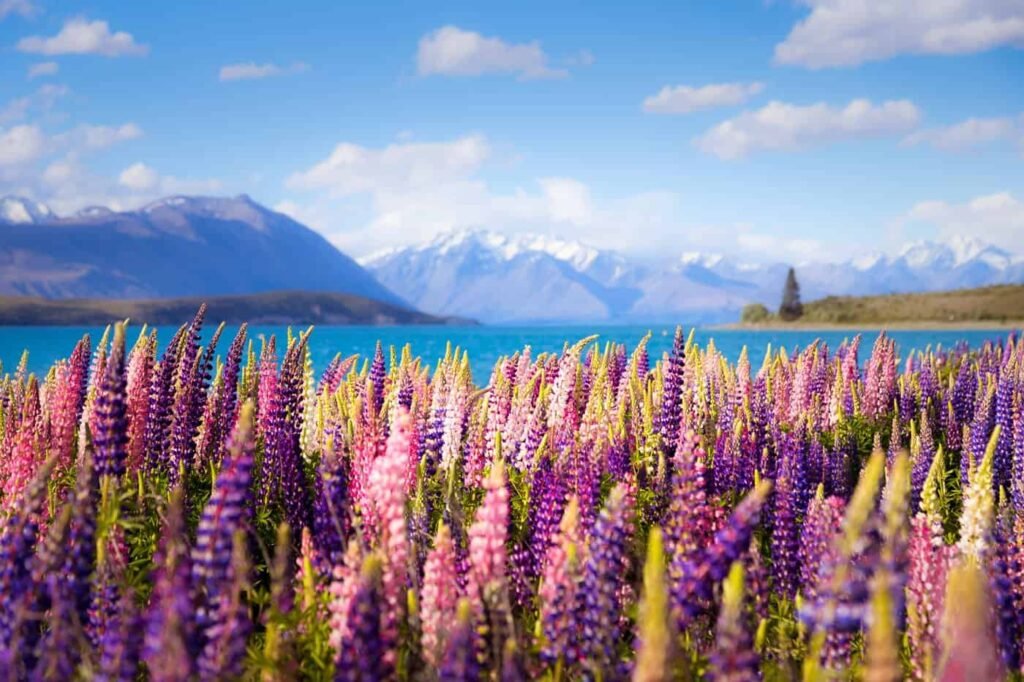
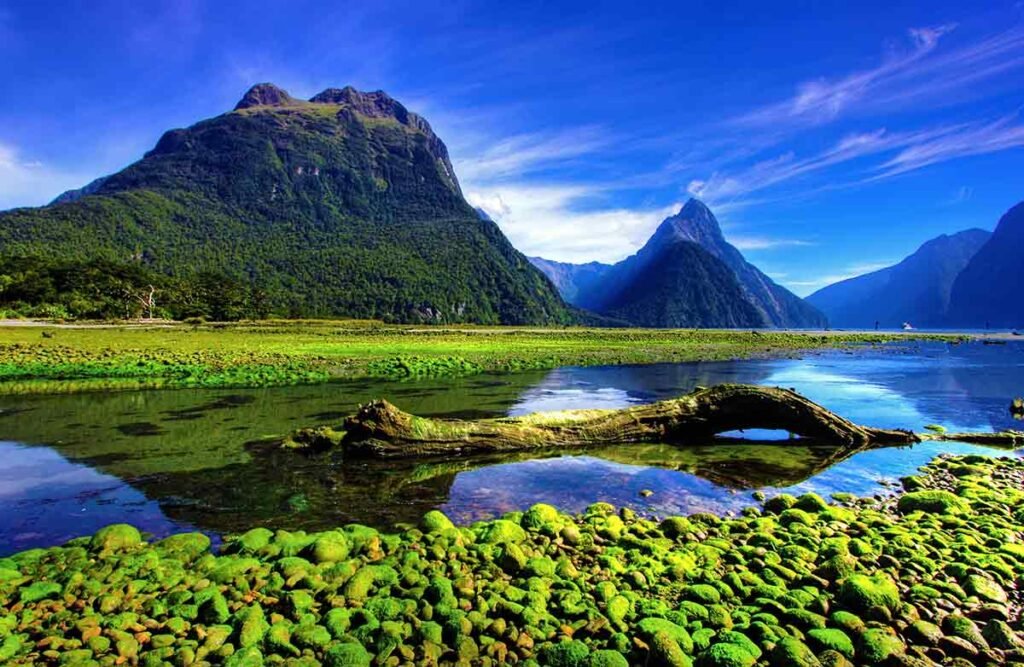
The South Island is famous for mountains, lakes, glaciers, and adventure activities. Summer and early autumn are excellent for exploring places such as Queenstown, Milford Sound, and Lake Tekapo.
If you are planning to explore both islands, allow enough time for travel between destinations. You can also prepare your travel essentials in advance, including a reliable international travel eSIM, to stay connected during your journey.
Cheapest Time to Visit New Zealand
Travel costs depend on demand, accommodation availability, and the destinations you choose. Summer is usually more expensive because it attracts international tourists and local holidaymakers.
The shoulder seasons, particularly autumn and spring, can offer better value. You may find more reasonable accommodation rates and fewer crowds at popular attractions.
Winter can also be affordable in many areas, although ski resorts may charge higher prices during peak snow periods.
Booking flights early, comparing accommodation options, and traveling outside school holidays can help reduce your overall expenses.
What to Pack for New Zealand
New Zealand’s weather can change quickly, even during summer. Packing layers is useful because temperatures may vary between coastal areas and mountain regions.
Consider bringing:
- Comfortable walking shoes for outdoor activities.
- A waterproof jacket for unexpected rain.
- Lightweight clothing for warmer days.
- Warm layers for cooler evenings.
- Sunscreen, sunglasses, and a hat.
- Suitable clothing for your planned seasonal activities.
If you are visiting during winter, pack thermal clothing and warm accessories, particularly if you plan to explore mountainous areas.
Conclusion
The best time to visit New Zealand depends on your preferred activities, weather expectations, and travel budget. Summer is perfect for beaches and outdoor adventures, autumn offers beautiful scenery and fewer crowds, winter is ideal for skiing, and spring brings colorful landscapes.
For a comfortable trip with pleasant weather and fewer tourists, March and November are excellent options. No matter when you travel, planning around the activities you enjoy will help you make the most of your New Zealand holiday.
FAQs
1. What is the best month to visit New Zealand?
March is one of the best months because it offers comfortable temperatures, beautiful autumn scenery, and fewer tourists than the summer season.
2. What is the warmest month in New Zealand?
January is generally one of the warmest months in New Zealand, making it popular for beach holidays and outdoor activities.
3. Is New Zealand worth visiting in winter?
Yes, winter is a great time to visit if you enjoy skiing, snowboarding, and mountain scenery. Destinations such as Queenstown and Wanaka are especially popular during this season.
