
A tripod can completely change the way you photograph a trip. It gives you more control when shooting landscapes, city views, sunsets, night scenes, and even group photos. But carrying a bulky tripod around all day is not ideal, especially when you are moving between hotels, airports, hiking trails, and sightseeing spots.
That is why finding the best travel tripod is mostly about balance. You want something stable enough for your camera but compact and light enough to carry comfortably.
What Makes a Good Travel Tripod?
A travel tripod needs to do more than simply hold a camera. It should fit easily into your luggage, set up without too much effort, and remain steady when you are shooting outdoors.
Before choosing one, pay attention to:
- Weight: A lighter tripod is easier to carry during long days.
- Folded size: A compact design is much easier to pack.
- Maximum height: Taller tripods can make eye-level shooting more comfortable.
- Load capacity: Your tripod should safely support your camera and heaviest lens.
- Material: Aluminum is usually more affordable, while carbon fiber can reduce weight.
- Leg locks: Quick and secure locks make setup much easier.
Your camera setup matters just as much as the tripod itself. A small mirrorless camera does not necessarily require the same support as a full-frame body with a large telephoto lens.
Best Travel Tripod Options
Different travelers have different priorities. Someone taking a compact camera on city breaks may want something extremely small, while a landscape photographer may be more concerned with stability.
| Travel Tripod | Weight | Maximum Height | Best For |
| Peak Design Travel Tripod | Varies by material | 60 in | Compact travel setups |
| Manfrotto Befree Advanced | 1.49 kg | 150 cm | General travel photography |
| Gitzo Traveler Series 0 | 0.895 kg | 122.5 cm | Lightweight setups |
Peak Design Travel Tripod
The Peak Design Travel Tripod is built around portability. Its legs fold around the center column and head, allowing the tripod to pack down to roughly the diameter of a water bottle. The company lists a 60-inch maximum height and a 20-pound load capacity, making it suitable for a wide range of full-frame camera setups. Peak Design’s Travel Tripod also includes an integrated mobile mount, which can be useful when you want to leave your main camera in the hotel.
Its compact design is particularly appealing for travelers who want to keep their camera bag small without giving up the option of using a tripod.
Manfrotto Befree Advanced
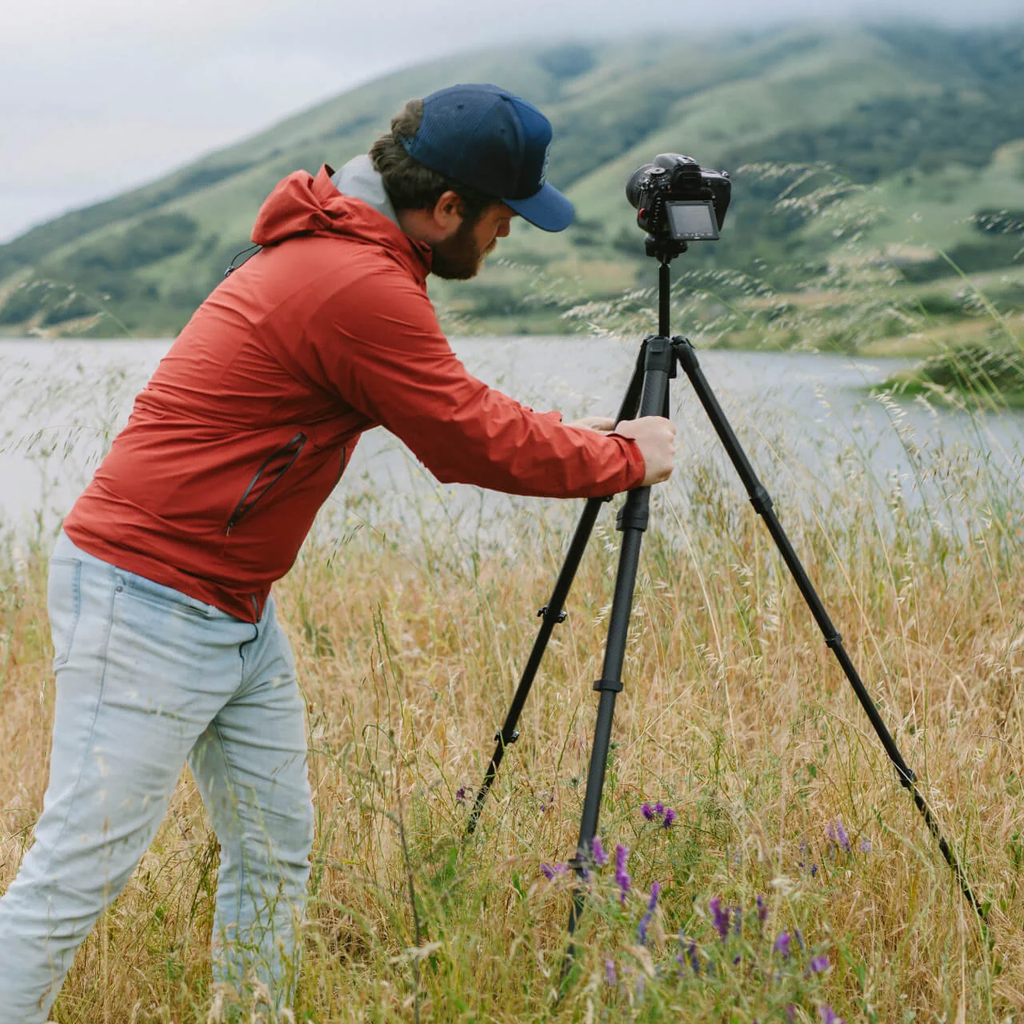
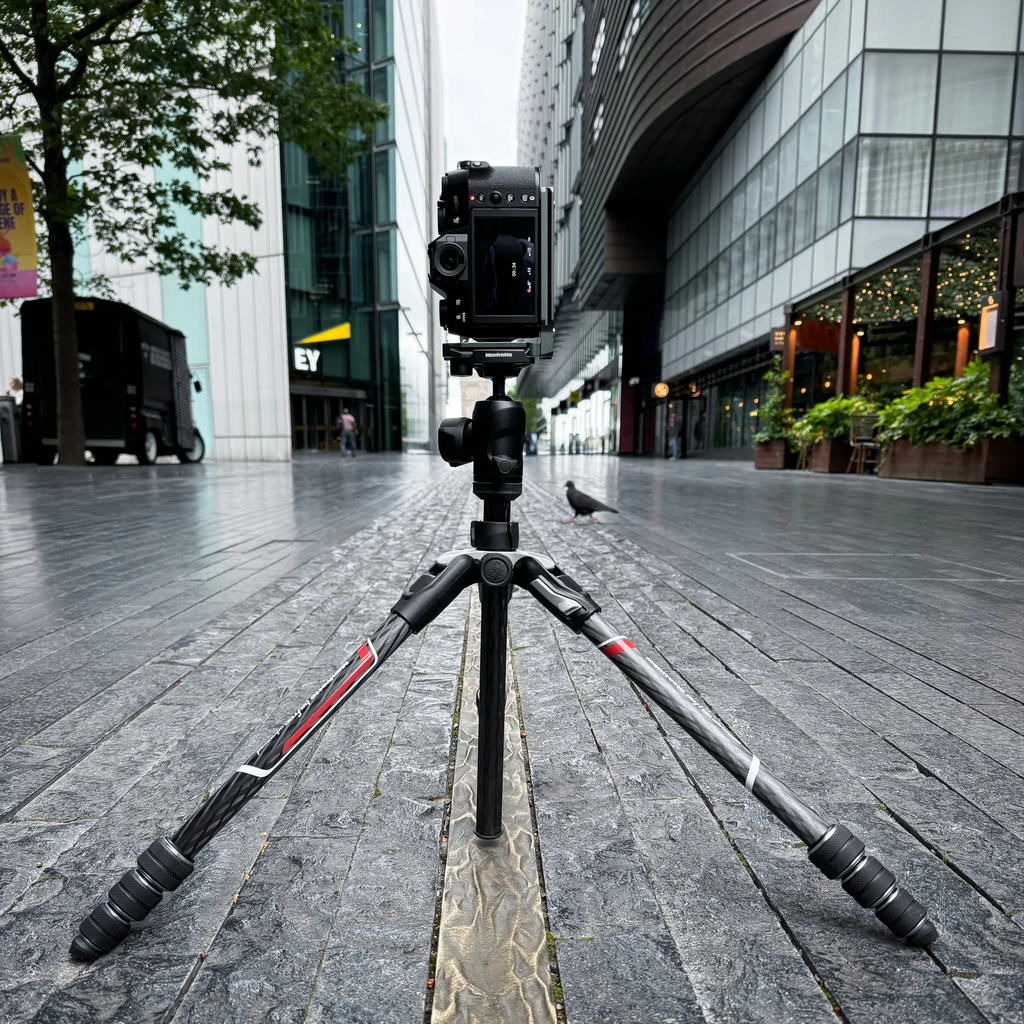
The Manfrotto Befree Advanced is designed for photographers who want a portable tripod without moving too far away from a traditional camera-support setup. The aluminum version weighs 1.49 kg, reaches 150 cm, and folds to 40 cm according to Manfrotto’s specifications. Manfrotto’s Befree Advanced also uses a ball head and quick-release system to make setup and adjustments easier.
This can make it a practical choice for travelers who spend time photographing both cities and outdoor locations.
Gitzo Traveler Series
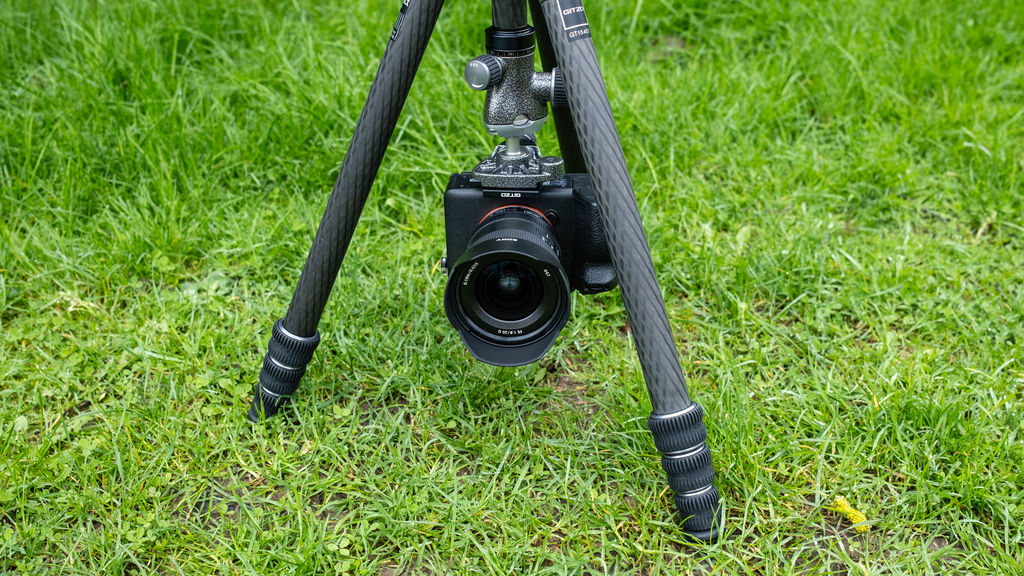
If keeping weight down is a major concern, Gitzo’s Traveler range is worth considering. The Traveler collection uses compact carbon-fiber designs aimed at photographers who frequently travel with their equipment.
One particularly lightweight example is the Gitzo Series 0 Traveler. It weighs 895 grams, folds to 36.5 cm, and reaches 122.5 cm. Despite its low weight, the manufacturer lists a 10 kg safety payload. Gitzo’s Traveler Series 0 is therefore aimed at photographers who care strongly about keeping their luggage light.
Aluminum or Carbon Fiber?
The material can have a noticeable effect on both the weight and price of a tripod.
Aluminum models are generally a sensible choice for travelers who want dependable support without spending as much. They can be slightly heavier, but that may not matter if you mostly photograph from cities, hotels, viewpoints, or locations that are easy to reach.
Carbon fiber becomes more attractive when you regularly hike with your camera. Saving several hundred grams may not sound significant at home, but it becomes much more noticeable after several hours on a trail.
For that reason, don’t automatically choose carbon fiber simply because it is lighter. Think about how often you will actually carry the tripod and whether the difference in weight justifies the additional cost.
Choosing the Right Size
The best size depends on how you travel.
A compact tripod is ideal for city trips where you are already carrying a camera, water bottle, power bank, and other essentials. A shorter folded length also makes it easier to fit the tripod into a backpack or suitcase.
Landscape photographers may prefer a tripod that reaches closer to eye level. This can reduce the need to constantly bend down while composing shots.
If you use a large camera and telephoto lens, check the manufacturer’s recommended load capacity before buying. Stability becomes more important when the camera setup is heavier or the weather is windy.
When Is a Tripod Most Useful?
You do not need a tripod for every photograph. In fact, carrying one makes the most sense when you know you will use it.
Sunrise and sunset photography is one good example. Lower light often requires slower shutter speeds, and a tripod allows you to keep the camera steady without relying entirely on a high ISO.
Night photography is another situation where a tripod becomes extremely useful. You can use longer exposures to capture city lights, architecture, or night landscapes while keeping the camera stationary.
It can also help with self-portraits. Instead of asking someone else to take your picture, you can compose the frame, set a timer, and take the photograph yourself.
When planning a photography-focused international trip, it is also worth thinking about how you will stay connected while moving between destinations. A reliable eSIM for international travel can be useful for checking maps, sharing photos, researching locations, and staying in touch without constantly looking for public Wi-Fi.
Don’t Forget Portability
A tripod can have excellent specifications and still be the wrong choice for travel if you dislike carrying it.
Think about your normal travel routine. If you spend most of the day walking around cities, taking public transport, and visiting multiple attractions, a compact model may be more useful than a larger professional tripod.
If you mainly travel by car and photograph landscapes, you have more freedom to choose a larger model with additional stability.
Your overall luggage should also be considered. Camera equipment is only one part of what you need to carry, so leaving enough room for clothing and other travel essentials can make the journey much easier.
For photographers who are still deciding where to take their gear, choosing destinations that match their travel documents and itinerary can also simplify planning. For example, knowing about places to travel without a passport can be useful when looking for easier regional getaway options.
Tips for Traveling With a Tripod
Before leaving for a trip, practice opening and closing your tripod at home. This sounds simple, but knowing how the leg locks and ball head work can save time when the light is changing quickly.
Keep the tripod secure when walking on uneven ground. On windy days, extend the legs carefully and avoid raising the center column more than necessary because a lower setup can provide greater stability.
When flying, check your airline’s current baggage requirements and decide whether the tripod is more practical in checked luggage or your carry-on setup. Rules can vary between airlines and routes.
It is also worth checking your camera plate before leaving home. A missing or loose quick-release plate can turn a potentially useful tripod into something you cannot actually use.
How Much Should You Spend?
There is no need to buy the most expensive tripod simply because it has professional specifications.
If you use a lightweight camera and only occasionally need a tripod, a reasonably priced aluminum model may be enough. Spending more makes more sense when you photograph frequently, carry expensive equipment, or need to reduce weight for hiking.
The most important thing is compatibility. Make sure the tripod is suitable for your camera and lens before focusing on features that may not matter for your style of photography.
Conclusion
The best travel tripod is the one that gives you enough stability without becoming another piece of luggage you would rather leave behind. Portability, weight, folded size, height, and load capacity should all be considered before making a decision.
Peak Design focuses heavily on compactness, Manfrotto offers a balance between portability and traditional tripod features, while Gitzo provides lightweight carbon-fiber options for photographers who want to reduce the weight of their gear.
Think about the way you actually travel rather than simply comparing specifications. A tripod that fits naturally into your routine will be far more useful than one that looks impressive on paper but stays in your hotel room.
FAQs
1. What is the best travel tripod for photographers?
The right tripod depends on your camera setup and travel style. Compact options from Peak Design, Manfrotto, and Gitzo offer different combinations of portability, height, weight, and stability.
2. Is carbon fiber worth it for a travel tripod?
Carbon fiber can be worthwhile if you frequently walk or hike with your camera because it can reduce the weight of your equipment. For occasional travelers, an aluminum tripod may offer a more practical balance between price and performance.
3. What should I check before buying a travel tripod?
Check its weight, folded length, maximum height, load capacity, material, leg-lock system, and compatibility with your camera. Also consider how far you normally walk while carrying your photography equipment.
