
Florida is famous for its warm weather, long coastline, and beautiful beaches, but some travelers are specifically interested in clothing optional beaches in Florida. These beaches provide designated or recognized areas where visitors can enjoy the shoreline without traditional swimwear.
- 1. Haulover Beach Is Florida’s Best-Known Clothing Optional Beach
- 2. Blind Creek Beach Offers a More Natural Setting
- 3. Playalinda Beach Is Known for Its Secluded Feel
- 4. Compare Popular Clothing Optional Beach Options
- 5. Follow Proper Beach Etiquette
- 6. Bring the Right Beach Essentials
- 7. Check Beach Rules Before You Go
- Planning Your Florida Beach Trip
- Tips for First-Time Visitors
- Conclusion
- FAQs
However, clothing-optional does not mean that normal beach etiquette disappears. Visitors are expected to respect other people, follow local rules, and stay within the appropriate areas.
1. Haulover Beach Is Florida’s Best-Known Clothing Optional Beach
Haulover Beach in Miami-Dade County is one of the most recognized clothing-optional beaches in Florida. The clothing-optional section is located on the northern third of the beach, between lifeguard towers 12 and 16.
The area is clearly identified and includes access to restrooms, showers, food and drinks, and beach chair and umbrella rentals. Miami-Dade County also provides beach ambassadors who help visitors understand local etiquette and expectations.
For current visitor information, parking details, and facilities, Haulover Beach Park is a useful place to check before your trip.
2. Blind Creek Beach Offers a More Natural Setting
Located on Hutchinson Island near Fort Pierce, Blind Creek Beach is another established option for travelers looking for clothing-optional recreation.
St. Lucie County identifies Blind Creek Beach as the county’s only clothing-optional beach. The park covers 108 acres and has paved parking, restrooms, showers, and an observation tower.
The county has also formally recognized the clothing-optional use of the beach through a county resolution, making it different from beaches where clothing-optional use is only informally tolerated.
Visitors can find the latest park information through St. Lucie County’s Blind Creek Beach information.
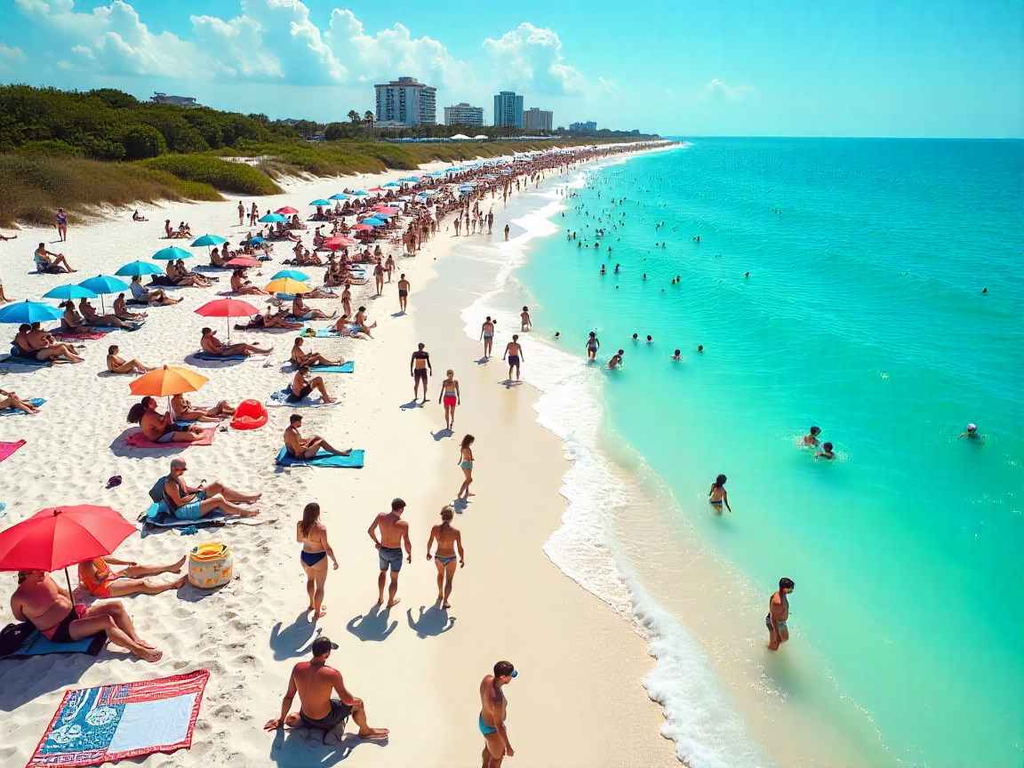
3. Playalinda Beach Is Known for Its Secluded Feel
Playalinda Beach is part of Canaveral National Seashore on Florida’s Space Coast. It is known for its undeveloped coastline, wildlife, and proximity to the Kennedy Space Center area.
The National Park Service describes Playalinda as a destination for beachgoers, wildlife viewing, and rocket launch viewing, with multiple beach access areas.
Some visitors associate parts of the Canaveral coastline with clothing-optional use, but travelers should be careful about assuming that every section is officially designated for nudity. Rules and access conditions can change, so it is important to follow current signs and National Park Service instructions.
If you are planning a visit, Playalinda Beach information provides current information about access and facilities.
4. Compare Popular Clothing Optional Beach Options
Not every beach associated with naturist recreation has the same level of official recognition or facilities. Checking the local status before visiting can prevent misunderstandings.
| Beach | Area | Clothing-Optional Status | Main Features |
| Haulover Beach | Miami | Official designated section | Restrooms, showers, rentals, food |
| Blind Creek Beach | Fort Pierce | County-recognized | Parking, showers, restrooms, observation tower |
| Playalinda Beach | Space Coast | Check current local rules | Natural coastline, wildlife, multiple access areas |
| Apollo Beach | Canaveral National Seashore | Check current park rules | Natural beach, wildlife, Space Coast location |
The difference between officially designated areas and beaches with a history of clothing-optional use is important. Always check the rules that apply to the exact section you plan to visit.
5. Follow Proper Beach Etiquette
Good manners are especially important at clothing-optional beaches. Being comfortable with nudity does not mean visitors can ignore personal boundaries.
Avoid staring at other beachgoers, respect people’s personal space, and never assume that someone wants to interact simply because they are using a clothing-optional area.
Photography also requires extra consideration. Do not photograph strangers without their permission, particularly in a way that could make them uncomfortable.
The AANR beach etiquette guidelines emphasize respect for other visitors, the environment, and designated clothing-optional areas.

6. Bring the Right Beach Essentials
Even though clothing may be optional, the usual beach essentials are still important.
Bring plenty of water, sunscreen, sunglasses, a towel, and something comfortable to sit on. Sun protection is particularly important because more skin may be exposed than during a normal beach visit.
A beach umbrella can also be useful during the hottest part of the day. At locations with limited nearby facilities, bringing snacks and extra drinking water can make the visit easier.
If you’re also organizing other travel essentials, a compact best travel wallets can help keep cards, identification, and other important items together while you’re traveling.
7. Check Beach Rules Before You Go
Beach rules can differ significantly between counties, cities, state parks, and national seashores. A beach that has a long history of clothing-optional use may not have the same legal or administrative status as an officially designated clothing-optional section.
This is particularly important at protected natural areas. Canaveral National Seashore, for example, has specific regulations designed to protect its beaches, dunes, and wildlife.
Checking official information before leaving also helps you confirm parking, operating hours, temporary closures, and other visitor requirements.
Planning Your Florida Beach Trip
A clothing-optional beach can be one part of a larger Florida vacation. You can combine beach time with nearby attractions, restaurants, nature areas, and outdoor activities.
When choosing accommodation, location can make a big difference. Staying closer to the beach may save travel time, while a hotel farther away could offer more choices or a different atmosphere.
If you’re comparing accommodation options for your trip, ideal best places to stay covers different choices, including hotels, resorts, vacation rentals, and hostels.
Tips for First-Time Visitors
If this is your first time visiting a clothing-optional beach, you do not need to feel pressured to remove your clothes immediately. You can spend some time getting familiar with the environment first.
Keep a cover-up or towel nearby if you want the option to dress quickly, especially when walking away from the designated area.
Most importantly, treat the beach like any other public recreational space. Follow posted rules, respect boundaries, protect the environment, and give other visitors the same privacy and comfort you would expect yourself.
Conclusion
The clothing optional beaches in Florida experience can be very different depending on where you go. Haulover Beach offers a clearly designated clothing-optional section with plenty of facilities, while Blind Creek Beach provides another officially recognized option on Florida’s Treasure Coast.
Other beaches, including parts of the Space Coast, may have different rules or traditions, so checking current official information is essential before visiting.
With basic preparation, good beach etiquette, and respect for local regulations, travelers can enjoy Florida’s coastline while choosing the type of beach experience that suits them.
FAQs
Are clothing optional beaches legal in Florida?
Certain Florida beaches have officially designated or recognized clothing-optional areas. However, rules vary by location, so visitors should check the regulations for the specific beach before visiting.
Is Haulover Beach completely clothing optional?
No. Haulover Beach has a specific clothing-optional section on the northern part of the beach. Other sections follow normal beach rules.
What should I bring to a clothing optional beach?
Bring sunscreen, water, a towel, sunglasses, comfortable footwear, and any food or personal items you may need. A cover-up can also be useful when leaving the designated clothing-optional area.
