

Iceland’s waterfalls are among the most memorable sights in the country. Water rushes over tall cliffs, flows through green valleys, and drops into rocky canyons shaped by volcanic activity and glaciers. Some waterfalls are easy to reach from the main road, while others require a short walk through Iceland’s rugged landscape.
Whether you are planning a summer road trip or visiting during the colder months, these waterfalls offer a wonderful way to experience Iceland’s natural beauty.
Best Iceland Waterfalls to Add to Your Trip
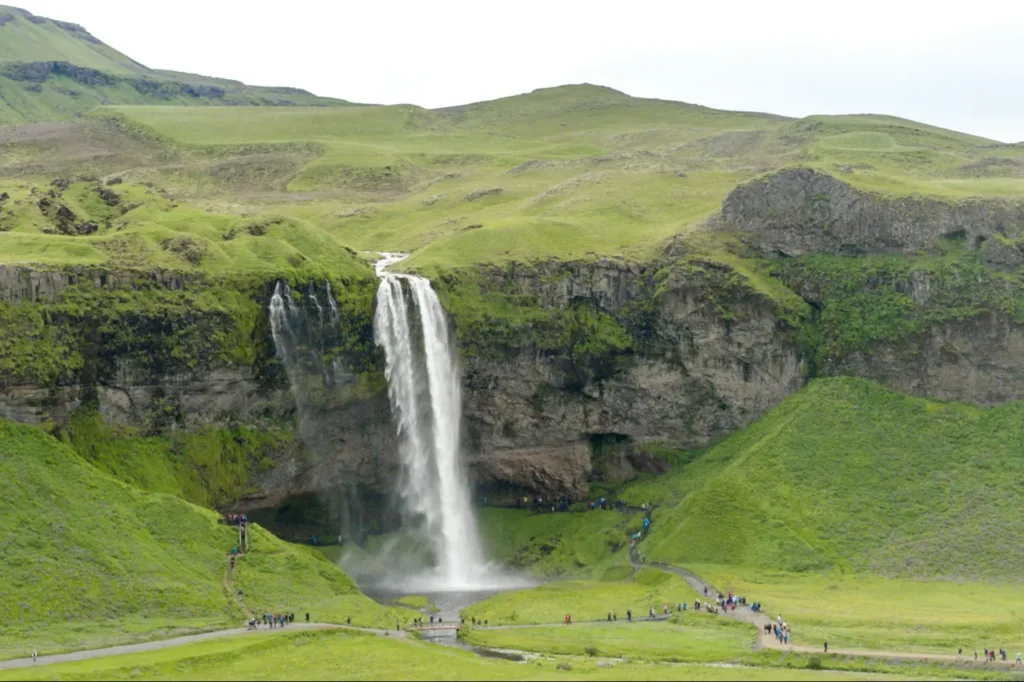
1. Seljalandsfoss
Seljalandsfoss is one of Iceland’s most recognizable waterfalls, partly because visitors can walk behind the falling water when conditions allow. The view from behind the cascade creates a different perspective of the surrounding landscape.
It is located along Iceland’s South Coast and is a popular stop for travelers driving between Reykjavík and the country’s southern attractions. Wear waterproof clothing because the spray can leave you soaked, and check access conditions during winter.
2. Skógafoss
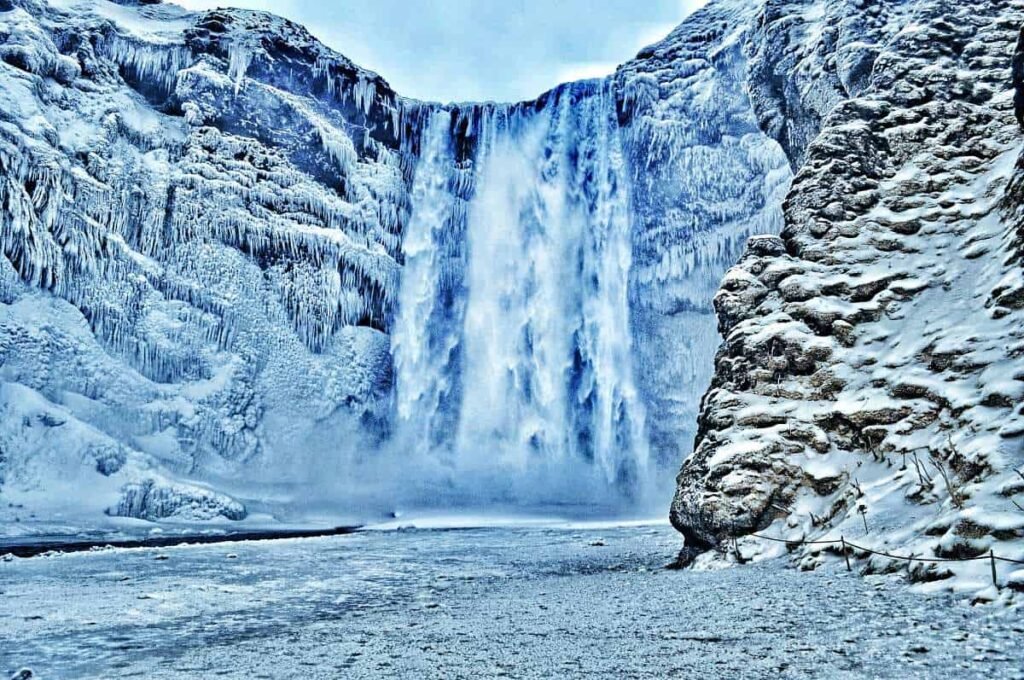
Skógafoss is a powerful waterfall that drops approximately 60 meters over a wide cliff. On sunny days, the mist often creates rainbows, making it a favorite spot for photography.
You can admire the waterfall from the bottom or climb the staircase beside it for a higher viewpoint. The climb involves many steps, but the views across the surrounding countryside make the effort worthwhile.
3. Gullfoss
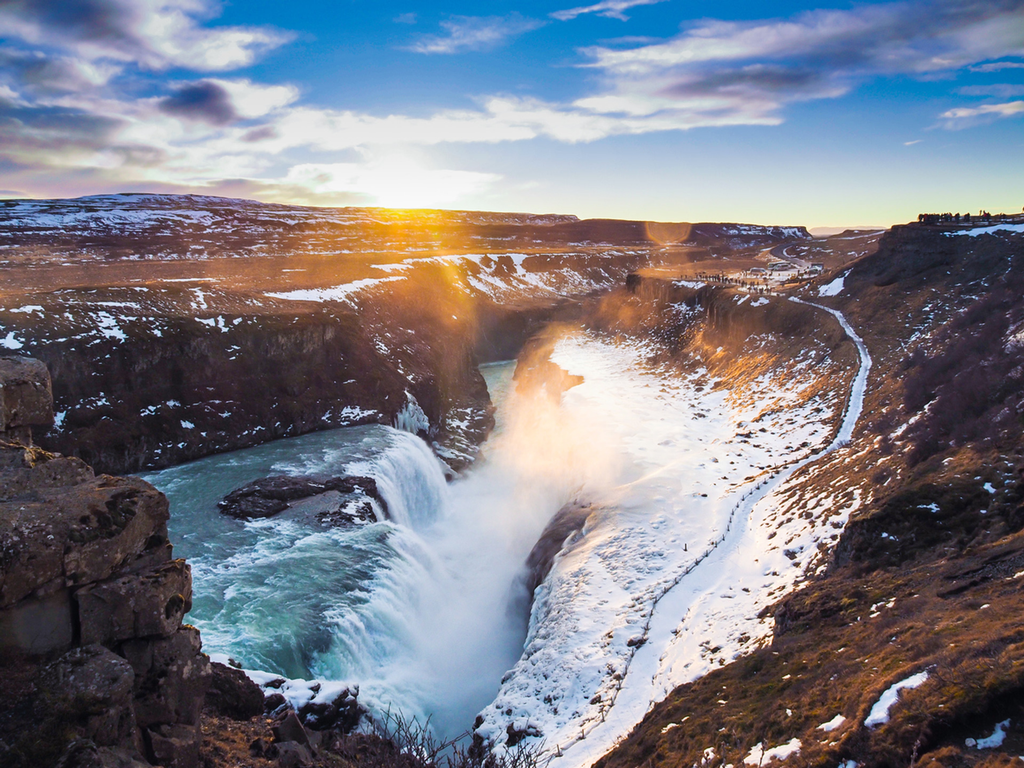
Gullfoss, meaning “Golden Falls,” is one of Iceland’s best-known natural attractions. Located on the Golden Circle route, it features water plunging into a dramatic canyon in two stages.
The viewing platforms provide different angles of the falls, although wind and spray can make the area slippery. It is an excellent stop for visitors who want to combine waterfalls with other popular sights near Reykjavík.
For route planning and attraction information, the official Visit Iceland website is a useful starting point.
4. Dettifoss
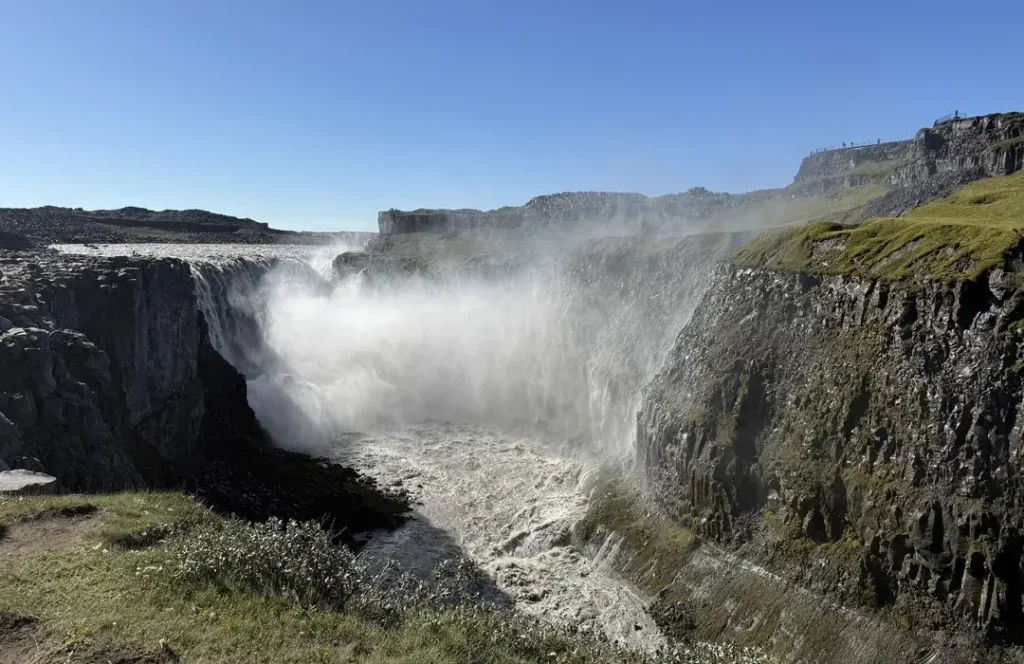
Dettifoss is famous for its immense power and volume of water. Located in northeast Iceland within Vatnajökull National Park, it sits in a rugged landscape that feels very different from the green surroundings of some southern waterfalls.
Access depends on the road, season, and weather. If you plan to visit, check the latest conditions with Vatnajökull National Park before setting out.
5. Goðafoss
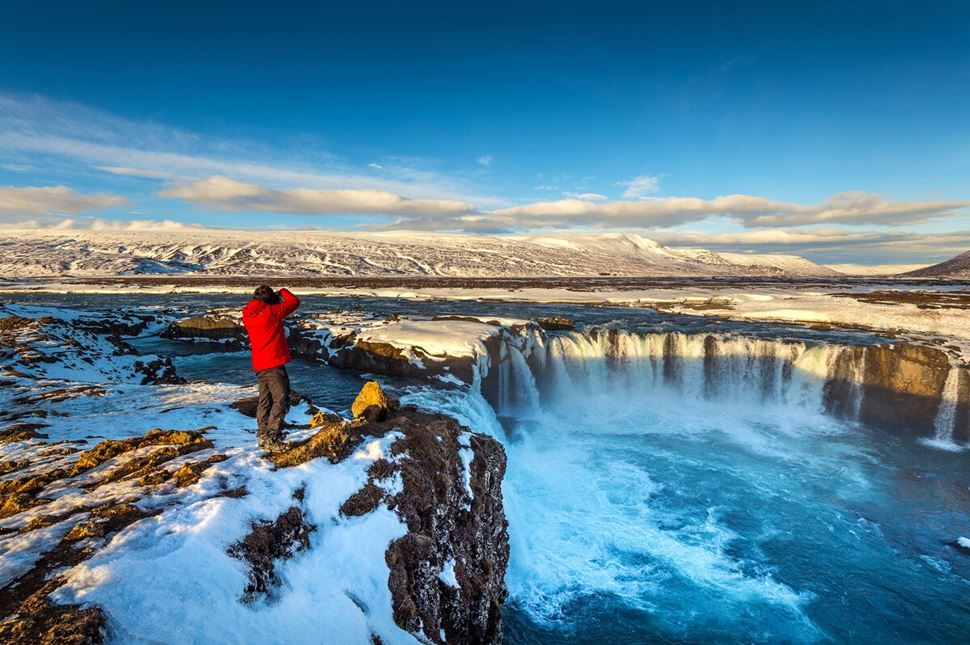
Goðafoss is a broad, curved waterfall in northern Iceland. Its name translates to “Waterfall of the Gods,” and the shape of the falls makes it particularly attractive from several nearby viewpoints.
It is relatively convenient to visit when exploring the area around Lake Mývatn or traveling between Akureyri and other northern destinations. The surrounding paths offer opportunities to take photographs without needing a long hike.
6. Kirkjufellsfoss
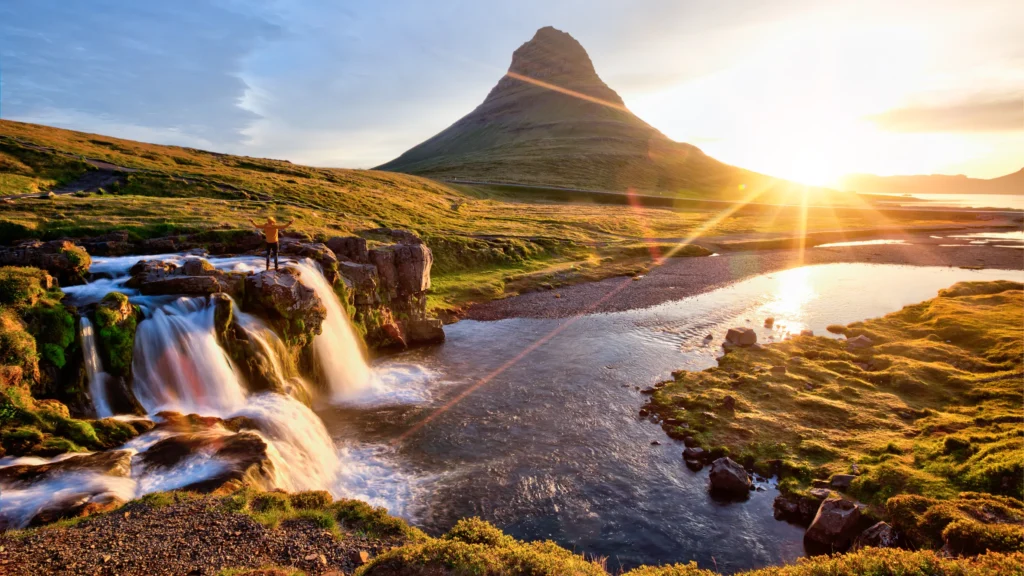
Kirkjufellsfoss is a series of smaller cascades on the Snæfellsnes Peninsula. What makes it special is its view of Kirkjufell, a distinctive mountain that rises behind the waterfall.
Photographers often visit to capture both features in one frame. The location is especially popular at sunrise, sunset, and during clear weather, although conditions can change quickly in this part of Iceland.
7. Svartifoss
Svartifoss is known for the dark basalt columns surrounding its cascade. These geometric rock formations make it look different from many of Iceland’s other waterfalls.
The waterfall is reached by a hiking trail in the Skaftafell area of Vatnajökull National Park. Allow time for the walk, wear sturdy shoes, and check trail conditions before visiting.
Travelers who enjoy combining natural attractions with longer outdoor adventures may also find inspiration in this guide to adventure travel experiences.
Iceland Waterfalls Compared
Different waterfalls suit different travel plans. This table offers a quick comparison to help you choose which stops to prioritize.
| Waterfall | Region | What Makes It Special | Visit Style |
| Seljalandsfoss | South Iceland | Walk-behind view when open | Short stop |
| Skógafoss | South Iceland | Powerful cascade and staircase viewpoint | Short visit or longer climb |
| Gullfoss | Golden Circle | Two-stage waterfall and deep canyon | Easy sightseeing |
| Dettifoss | Northeast Iceland | Impressive water volume and rugged scenery | Check access carefully |
| Goðafoss | North Iceland | Wide, curved cascade | Short stop |
| Kirkjufellsfoss | Snæfellsnes Peninsula | Waterfall with a mountain backdrop | Photography stop |
| Svartifoss | Skaftafell | Dark basalt columns | Hiking visit |
Travel times and access can vary with weather, road closures, and seasonal conditions. Always check local updates before driving to remote locations.
When Is the Best Time to Visit Iceland Waterfalls?
The best time depends on the kind of experience you want.
Summer (June to August): Longer daylight hours make it easier to visit several waterfalls in one day. Roads and hiking paths are generally more accessible, although rain and strong winds remain possible.
Spring (April to May): Snowmelt can increase water flow, while the landscape gradually becomes greener. Some highland roads and hiking routes may still be closed.
Autumn (September to October): Fewer daylight hours and changing foliage create different photographic opportunities. Weather can become unpredictable, so keep your itinerary flexible.
Winter (November to March): Frozen edges, snow-covered cliffs, and icy surroundings can create beautiful scenes. However, some paths may be closed or dangerous, and driving conditions can change quickly.
For official road updates, consult SafeTravel Iceland and check the Icelandic Meteorological Office for weather forecasts.
Tips for Visiting Iceland’s Waterfalls
- Wear waterproof layers: Water spray and sudden rain are common around major waterfalls.
- Choose sturdy footwear: Wet rocks, mud, snow, and ice can make paths slippery.
- Stay behind safety barriers: Powerful water and unstable edges can be dangerous, even when the viewpoint looks safe.
- Check road conditions: Remote waterfalls may be harder to reach during winter or severe weather.
- Allow extra time: You may want to stop for photographs, short walks, or changing weather conditions.
- Respect the landscape: Stay on marked paths and avoid disturbing fragile vegetation.
If you are preparing for a longer trip, practical items such as a reliable travel backpack can help keep your camera equipment, spare layers, water, and other essentials organized.
Final Thoughts
Iceland’s waterfalls offer more than beautiful views. Each one has its own character, from the dramatic power of Dettifoss to the basalt columns of Svartifoss and the mountain scenery around Kirkjufellsfoss.
If this is your first trip, start with Seljalandsfoss, Skógafoss, and Gullfoss for a convenient introduction to Iceland’s famous cascades. With more time, explore the northern waterfalls and the hiking routes around Skaftafell. Plan around daylight, weather, and road conditions to make the most of your visit.
FAQs
Which waterfall is the most famous in Iceland?
Seljalandsfoss, Skógafoss, and Gullfoss are among Iceland’s most famous waterfalls. Each offers a different experience, from walking behind a cascade to viewing powerful water flowing into a canyon.
Can you visit Iceland waterfalls in winter?
Yes, many waterfalls can be visited during winter, but access and walking conditions may change. Ice, snow, strong winds, and road closures can affect your plans, so check current safety information before traveling.
How many days do you need to see Iceland’s waterfalls?
You can visit several famous waterfalls along the South Coast in one or two days. Seeing waterfalls across the south, north, and Snæfellsnes Peninsula generally requires more time and careful route planning.
