

Finding the ideal best places to stay can make a big difference to your travel experience. The right accommodation can save you time, keep you close to the attractions you want to visit, and make it easier to enjoy a destination without spending too much time on transportation.
- Ideal Best Places to Stay for Different Travelers
- 1. Boutique Hotels for a Personal Experience
- 2. Beachfront Resorts for a Relaxing Vacation
- 3. Vacation Rentals for Families and Groups
- 4. Central Hotels for First-Time Visitors
- 5. Hostels for Budget Travelers
- 6. Luxury Hotels for a Special Trip
- 7. Eco-Lodges for Nature Trips
- 8. Family-Friendly Hotels
- 9. Hotels Near Public Transportation
- How to Choose the Ideal Best Places to Stay
- Book Based on Your Itinerary
- Conclusion
- FAQs
From boutique hotels and beachfront resorts to vacation rentals and budget-friendly hostels, there are options for almost every type of traveler. The key is to choose accommodation based on your itinerary, budget, location, and the kind of experience you want.
Ideal Best Places to Stay for Different Travelers
There isn’t one type of accommodation that works for every trip. A couple planning a romantic weekend may want something different from a family looking for extra space or a solo traveler trying to keep costs low.
Before booking, think about where you will spend most of your time. A cheaper hotel far from the main attractions may not actually save money if you have to pay for transportation every day.
1. Boutique Hotels for a Personal Experience
Boutique hotels can be an excellent choice if you prefer smaller properties with character.
Unlike large chain hotels, boutique properties often have distinctive interiors, fewer rooms, and a stronger connection to the local area. Some are located inside historic buildings or in neighborhoods known for restaurants and independent shops.
They can work particularly well for couples and travelers who care about atmosphere as much as basic hotel facilities.

2. Beachfront Resorts for a Relaxing Vacation
If your main goal is to relax, a beachfront resort can make the trip much easier.
Having the beach nearby means you don’t have to spend time traveling back and forth every day. Many resorts also offer restaurants, pools, activities, and other facilities on-site.
Before booking, check exactly what is included in the room rate. Some properties charge separately for meals, activities, parking, or resort fees.
For travelers comparing large hotel brands, Hilton Hotels & Resorts offers properties in many popular leisure and city destinations.

3. Vacation Rentals for Families and Groups
Vacation rentals can be practical when several people are traveling together.
Having multiple bedrooms, a living area, and a kitchen can provide more flexibility than booking several traditional hotel rooms. It can also make longer stays more comfortable.
Platforms such as Airbnb offer different types of vacation accommodation, from private apartments to entire homes.
However, always check the property’s location, cancellation policy, cleaning fees, and recent reviews before making a reservation.

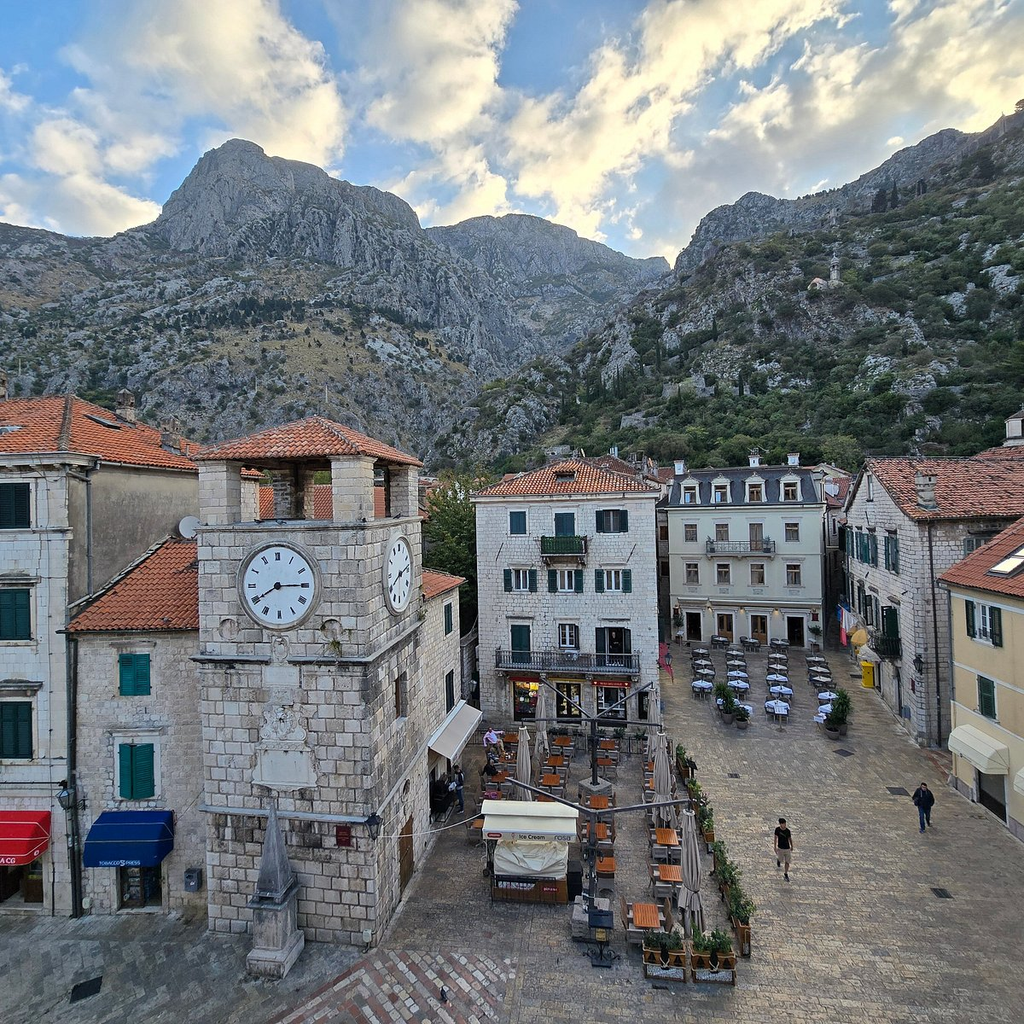
4. Central Hotels for First-Time Visitors
If you’re visiting a destination for the first time, staying near the main attractions can make your trip easier.
A central hotel may cost more than accommodation farther away, but the convenience can be worthwhile. You may be able to walk to restaurants, museums, shopping areas, and major attractions instead of relying on taxis or public transportation.
Large hotel groups such as Marriott Bonvoy have properties across many major cities, making it possible to compare different locations and accommodation styles within the same loyalty program.
5. Hostels for Budget Travelers
Hostels remain a useful option for travelers who want to keep accommodation costs under control.
Modern hostels aren’t necessarily limited to shared dormitories. Many offer private rooms alongside shared spaces, kitchens, lounges, and social areas.
For solo travelers, hostels can also provide an easy way to meet other people while exploring a new destination.
When comparing options, look beyond the nightly price. Check whether lockers, towels, breakfast, Wi-Fi, or other facilities are included. Hostelworld is one platform travelers can use to compare hostels and budget accommodation in different destinations.

6. Luxury Hotels for a Special Trip
For honeymoons, anniversaries, milestone birthdays, or simply a trip where comfort is the priority, a luxury hotel can be part of the experience rather than just a place to sleep.
Luxury properties often provide larger rooms, high-end dining, spas, concierge services, pools, and other amenities.
If you’re considering a luxury stay, compare the actual benefits included in the room rate rather than judging a property only by its star rating.
Travelers interested in luxury accommodation can also explore our guide to the best Four Seasons in the world for inspiration.

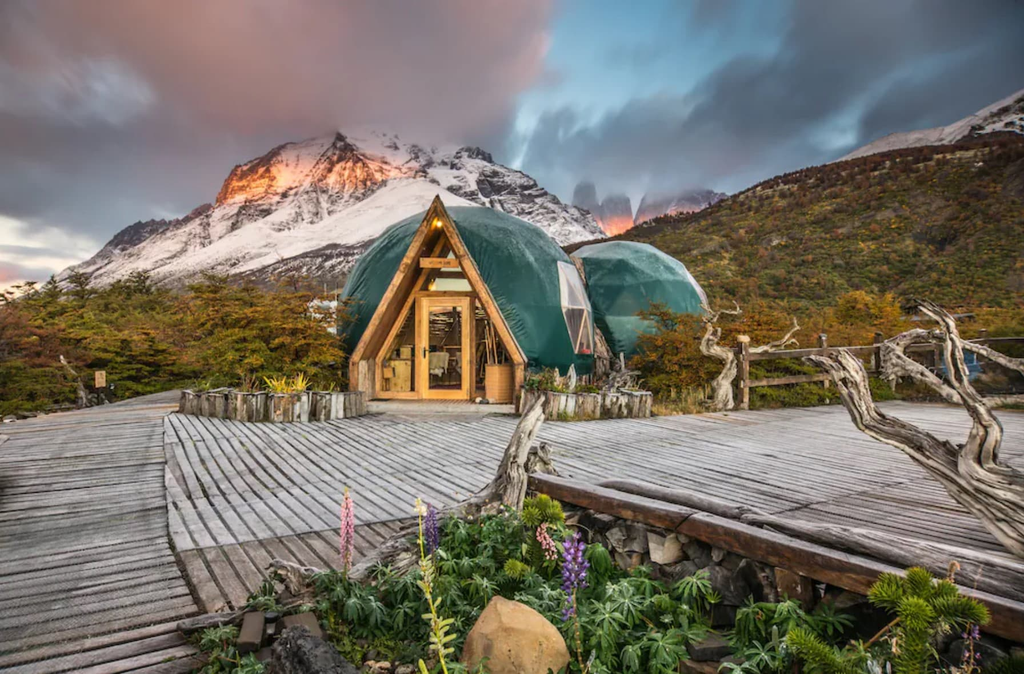
7. Eco-Lodges for Nature Trips
Eco-lodges are worth considering when your itinerary focuses on forests, wildlife, mountains, or other natural environments.
These properties can place you closer to nature and may emphasize local materials, conservation, and lower-impact tourism.
They are especially appealing for travelers who want accommodation to be part of the destination experience rather than staying in a standard city hotel.
Before booking, check exactly how remote the property is and what transportation is available. A beautiful location can be less convenient if reaching it requires several complicated transfers.
8. Family-Friendly Hotels
Families often have different accommodation needs from solo travelers or couples.
Look for properties with family rooms, connecting rooms, pools, children’s activities, convenient dining options, and easy access to attractions.
Location is particularly important when traveling with children. Staying close to the places you plan to visit can reduce travel time and make it easier to return to the hotel during the day.
Also check whether the hotel has age restrictions or additional charges for children before confirming your booking.

9. Hotels Near Public Transportation
A hotel doesn’t always have to be in the center to be convenient.
Staying near a metro station, train station, bus route, or major transportation hub can give you easy access to different parts of a city while potentially costing less than a central hotel.
Before booking, use a map to check walking distances and transportation options. Compare the location with your planned attractions rather than relying only on the hotel’s description.
For travelers who move between destinations frequently, choosing accommodation near reliable transportation can make a major difference to the overall trip.

How to Choose the Ideal Best Places to Stay
When comparing accommodation, consider more than the room price.
Location: Check how close the property is to the attractions, restaurants, beaches, or transportation you actually need.
Total cost: Look for taxes, cleaning fees, resort fees, parking charges, and other additional costs.
Reviews: Recent guest reviews can help you identify recurring issues with noise, cleanliness, service, or location.
Amenities: Think about what you will genuinely use. A pool may be valuable for a resort vacation but less important during a sightseeing-heavy city break.
Cancellation policy: Flexible booking terms can be useful if your travel dates aren’t completely fixed.
Book Based on Your Itinerary
The ideal accommodation depends heavily on how you plan to spend your days.
If you’re going to spend most of your time sightseeing, prioritize location and transportation. If you’re planning a relaxing beach vacation, the quality of the property and access to the beach may matter more.
For travelers planning trips around different destinations, having reliable connectivity can also make navigation and booking easier. Our guide to the best eSIM for international travel covers another useful travel essential to consider before departure.
Conclusion
The ideal best places to stay aren’t necessarily the most expensive hotels or the properties with the highest ratings. The right choice is the one that fits your destination, itinerary, budget, and travel style.
A central hotel can make sightseeing easier, a vacation rental can provide space for a family, while a beachfront resort may be perfect for travelers who simply want to relax.
Take time to compare location, total cost, reviews, amenities, and cancellation policies before booking. A little research can make your accommodation more comfortable and your entire trip easier to enjoy.
FAQs
1. How do I choose the ideal best places to stay?
Start by considering your budget, destination, itinerary, preferred location, and the amenities you actually need. Comparing recent reviews and the total booking cost can also help.
2. Is it better to stay in the city center?
Not always. A central location can be convenient for sightseeing, but accommodation near reliable public transportation may offer similar convenience at a lower price.
3. What type of accommodation is best for families?
Vacation rentals and family-friendly hotels can both work well. Look for enough sleeping space, convenient facilities, a suitable location, and clear policies regarding children.
