

Japanese cuisine is known for its fresh ingredients, careful preparation, balanced flavors, and beautiful presentation. From sushi and ramen to tempura, udon, and regional specialties, food is an important part of experiencing Japan.
- What Makes Japanese Cuisine Special?
- Try Traditional Sushi
- Enjoy a Bowl of Ramen
- Taste Crispy Tempura
- Discover Udon and Soba
- Try Japanese Curry
- Experience Kaiseki Dining
- Explore Japanese Street Food
- Taste Regional Japanese Cuisine
- Understand Washoku and Seasonal Ingredients
- Learn Basic Japanese Food Etiquette
- Japanese Cuisine for Different Travelers
- Plan Your Food Trip Around Japan
- Why Japanese Cuisine Is Worth Exploring
- Conclusion
- FAQs
Traditional Japanese food, known as washoku, was added to UNESCO’s Representative List of the Intangible Cultural Heritage of Humanity in 2013. Its traditions emphasize seasonal ingredients, respect for nature, and the cultural importance of sharing meals.
Whether you are visiting Tokyo, Kyoto, Osaka, or a smaller Japanese city, trying local food can be one of the most enjoyable parts of the trip.
What Makes Japanese Cuisine Special?
Japanese cuisine focuses heavily on the quality and seasonality of ingredients rather than relying on heavy sauces or strong seasoning. Fresh fish, rice, vegetables, noodles, seafood, and fermented ingredients all have an important place in Japanese cooking.
Umami is another important part of the cuisine. Ingredients such as kombu and bonito are commonly used to create dashi, a flavorful stock that forms the base of many Japanese dishes.
Presentation also matters. Even a simple meal can be carefully arranged so that the colors, textures, and seasonal ingredients complement each other.
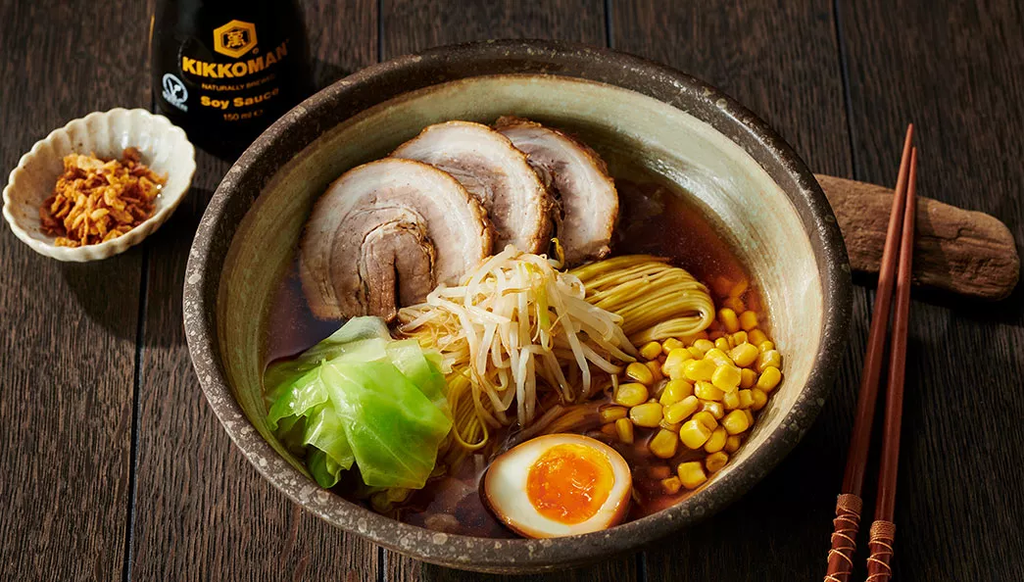
Try Traditional Sushi
Sushi is probably the first food that comes to mind when people think about Japanese cuisine. It combines seasoned rice with ingredients such as raw or cooked seafood, vegetables, and sometimes egg.
There are many varieties, from nigiri and maki rolls to more regional styles. Eating sushi in Japan can also be a different experience from eating it abroad because restaurants often focus on the freshness and quality of local ingredients.
For travelers planning a food-focused trip, Japan’s food and drink experiences offer plenty of ideas for exploring regional specialties, restaurants, markets, and traditional dining.
Enjoy a Bowl of Ramen
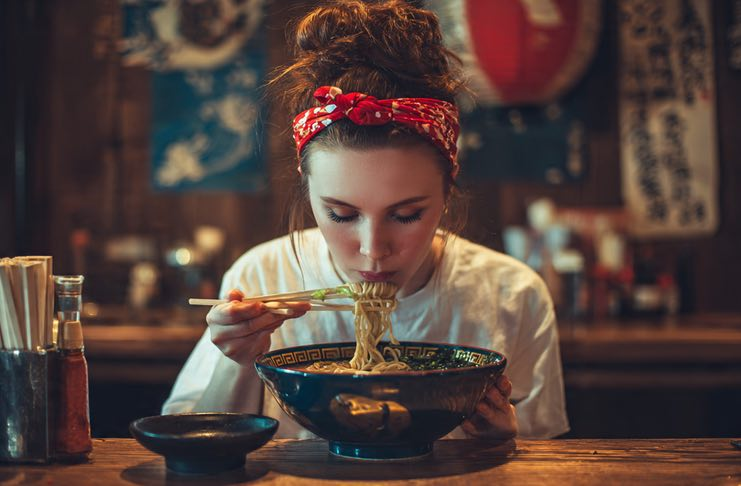
Ramen is one of Japan’s most popular comfort foods. A typical bowl combines noodles, broth, toppings, and seasonings, but the exact style can vary greatly from one region to another.
Tokyo is known for several ramen styles, while Hakata in Fukuoka is famous for tonkotsu ramen. Hokkaido is particularly associated with miso ramen.
Trying ramen in different parts of Japan is a great way to discover how local ingredients and cooking traditions influence the same basic dish.
Taste Crispy Tempura
Tempura is made by coating ingredients such as seafood or vegetables in a light batter before frying them. When prepared well, the coating is crisp without overpowering the ingredient inside.
Shrimp, squid, pumpkin, eggplant, mushrooms, and sweet potato are among the ingredients commonly used for tempura.
It can be enjoyed as a main dish, with rice, or alongside noodles.
Discover Udon and Soba
Japanese cuisine includes an impressive variety of noodles, with udon and soba among the most recognizable.
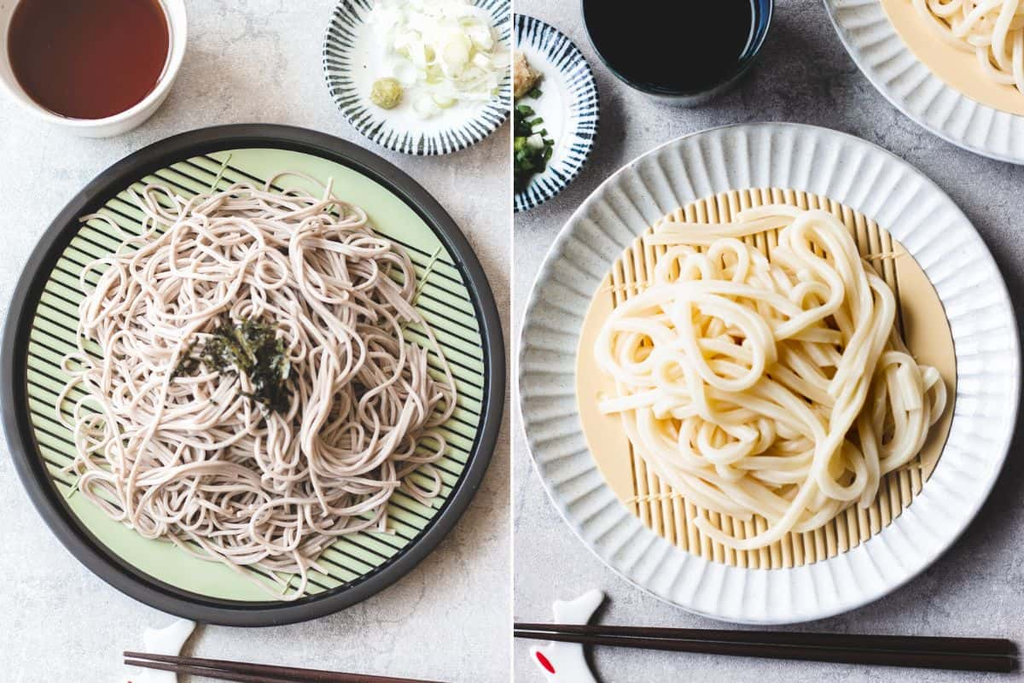
Udon noodles are thick, soft, and chewy, while soba is made primarily from buckwheat and has a thinner texture. Both can be served hot in broth or cold with dipping sauce.
They are especially convenient for travelers because you can find noodle restaurants in busy city centers, train stations, and smaller neighborhoods.
Try Japanese Curry
Japanese curry has its own character and is different from many South Asian curries. It is usually thicker and milder, often served with rice and accompanied by ingredients such as breaded pork cutlet, vegetables, or chicken.
Known as curry rice, it has become a familiar comfort food in Japan and is available in casual restaurants throughout the country.
Japanese cuisine is not limited to traditional dishes either. Japan’s food culture also includes yoshoku, Western-inspired dishes that were adapted into Japanese cooking.
Experience Kaiseki Dining
Kaiseki is a traditional multi-course dining style that places strong emphasis on seasonality, presentation, balance, and carefully prepared ingredients.
A kaiseki meal can include several small courses, each designed to highlight a particular ingredient or cooking technique. The experience is often associated with traditional restaurants and ryokan.
If you want to experience Japanese cuisine as a form of art, kaiseki offers a much slower and more detailed approach to dining.
Explore Japanese Street Food
Japanese street food is another enjoyable way to experience local flavors without sitting down for a formal meal.
Depending on the destination, you might find takoyaki, yakisoba, grilled seafood, sweet treats, or regional snacks at markets and festivals.
Osaka is particularly famous for casual food culture, while food stalls and markets throughout Japan offer their own local specialties.
Taste Regional Japanese Cuisine
One of the best things about Japanese cuisine is its regional diversity. Food traditions change depending on climate, local agriculture, seafood, and historical influences.
Hokkaido is known for seafood and dairy products, Kyoto is associated with refined traditional cuisine, Osaka has a strong casual food culture, and Hiroshima is famous for its own style of okonomiyaki.
The Japan National Tourism Organization’s regional food information highlights how different areas have developed their own specialties using local ingredients.
Understand Washoku and Seasonal Ingredients
Seasonality is one of the defining ideas behind traditional Japanese cuisine. Ingredients are often selected according to what is freshest and most appropriate for the time of year.
This connection with nature is one reason washoku is recognized by UNESCO as intangible cultural heritage. Traditional meals can also have cultural meaning, particularly during celebrations such as Japanese New Year.
For travelers, this means the same destination can offer different food experiences depending on when you visit.
Learn Basic Japanese Food Etiquette
Food etiquette can make your dining experience more comfortable. Before eating, saying itadakimasu is a common expression of appreciation, while gochisousama deshita is traditionally said after finishing a meal.
Using chopsticks properly is also important. Avoid sticking chopsticks upright in rice, and do not pass food directly from one pair of chopsticks to another, as these actions are associated with funeral customs.
The Japanese food etiquette also explains common dining manners and the cultural ideas behind them.
Japanese Cuisine for Different Travelers
Japanese cuisine can work well for many types of travelers because there is such a wide range of dishes.
Vegetarians can find vegetable-based meals, while travelers looking for halal options can also find restaurants and food choices in major tourist destinations. Japan’s tourism organization notes that vegan, vegetarian, and halal dining options have continued to develop in response to changing visitor needs.
It is still important to check ingredients carefully, especially if you have allergies or specific dietary requirements.
Plan Your Food Trip Around Japan
Food can easily become part of your itinerary rather than something you fit between sightseeing stops. You might plan a sushi dinner in Tokyo, ramen in Fukuoka, street food in Osaka, or traditional cuisine in Kyoto.
A good internet connection is also useful when searching for restaurants, checking menus, translating ingredients, or navigating unfamiliar neighborhoods. A best eSIM for international travel can make those travel tasks easier while moving around Japan.
Why Japanese Cuisine Is Worth Exploring
Japanese cuisine is not simply about famous dishes such as sushi and ramen. It is about the relationship between ingredients, seasons, presentation, preparation, and local traditions.
From a simple bowl of noodles to an elaborate kaiseki meal, Japanese food gives travelers another way to understand the country’s culture.
Conclusion
Japanese cuisine offers an incredible variety of flavors and experiences, from fresh sushi and comforting ramen to tempura, udon, regional specialties, and traditional washoku.
Exploring food across different parts of Japan allows you to see how local ingredients, history, and seasonal traditions shape what people eat. Whether you prefer casual street food or refined dining, Japan has plenty to discover one meal at a time.
FAQs
What is the most famous Japanese cuisine?
Sushi, ramen, tempura, udon, and sashimi are among the most internationally recognized Japanese foods.
What is traditional Japanese cuisine called?
Traditional Japanese cuisine is known as washoku, which emphasizes seasonal ingredients, balance, presentation, and respect for nature.
Is Japanese cuisine suitable for vegetarians?
Yes, vegetarian options are available, especially in larger cities and tourist destinations, but checking ingredients is important because some dishes and broths may contain fish or other animal-based ingredients.
