

The weather in Italy in March marks the beginning of spring, bringing longer days, changing temperatures, and the first signs of warmer weather. It is a lovely time to explore historic cities, enjoy Italian food, and discover beautiful countryside destinations.
However, March weather can be unpredictable. Northern Italy is usually cooler, while central and southern regions often experience milder temperatures. Rain showers are possible, so packing suitable clothing is important.
March is also a good time for travelers who prefer exploring popular attractions without the heavy summer crowds.
Average Temperature in Italy in March
Temperatures vary depending on the region and elevation. Coastal destinations and southern cities are generally milder, while northern cities and mountain areas can remain cold.

Here is an approximate overview of daytime and nighttime temperatures:
| City | Daytime Temperature | Nighttime Temperature |
| Milan | 13–14°C | 3–5°C |
| Venice | 12–14°C | 4–5°C |
| Florence | 14–16°C | 4–6°C |
| Rome | 15–17°C | 6–8°C |
| Naples | 15–17°C | 7–9°C |
| Palermo | 16–18°C | 9–11°C |
These are approximate seasonal averages rather than daily forecasts. You can compare regional climate patterns through Italy’s March weather information before deciding where to travel.
Weather in Northern Italy in March
Northern Italy is generally cooler than the central and southern parts of the country. Cities such as Milan, Venice, and Turin can experience chilly mornings, cool evenings, and occasional rainfall.
Milan is suitable for shopping, museums, and exploring its famous architecture. Venice offers a different atmosphere during March, with its canals, historic squares, and quieter streets.
Mountain destinations in the Alps and Dolomites may still have snow, making March an interesting month for late-season skiing. However, hiking conditions can vary considerably at higher elevations.
Weather in Central Italy in March
Central Italy usually experiences mild daytime temperatures, although evenings can still feel cold. Rome and Florence are particularly attractive during this period because visitors can explore historic attractions without intense summer heat.
In Rome, you can enjoy outdoor sightseeing around the Colosseum, Roman Forum, and Vatican area. Florence is also wonderful for discovering Renaissance architecture, art museums, and traditional Italian restaurants.
Rain showers are possible, so carrying a light waterproof jacket is a sensible idea.
Weather in Southern Italy in March
Southern Italy generally enjoys milder weather than the northern regions. Cities such as Naples, Palermo, and coastal destinations in Sicily can experience pleasant afternoons, although evenings remain cool.
March is a good time to explore historic streets, enjoy local food, and discover archaeological attractions. Sicily is particularly appealing for travelers interested in combining cultural experiences with beautiful coastal scenery.
However, the sea is usually too cold for a comfortable swimming holiday, so beach visits are better suited to sightseeing and relaxing walks.
Is March a Good Time to Visit Italy?
Yes, March can be an excellent month to visit Italy, especially if you enjoy sightseeing and cultural experiences.
There are several reasons to consider traveling during this month:
- Fewer summer crowds: Popular attractions can be more comfortable to explore.
- Pleasant sightseeing: Many central and southern destinations have mild daytime weather.
- Early spring scenery: Gardens and countryside areas begin showing signs of spring.
- Potential savings: Some hotels and flights may be more affordable than during peak summer.
- Outdoor activities: City walks, food tours, and cultural visits are enjoyable in suitable weather.
Keep in mind that Easter can sometimes fall in March. During this period, popular destinations may become busier, and accommodation prices can increase.
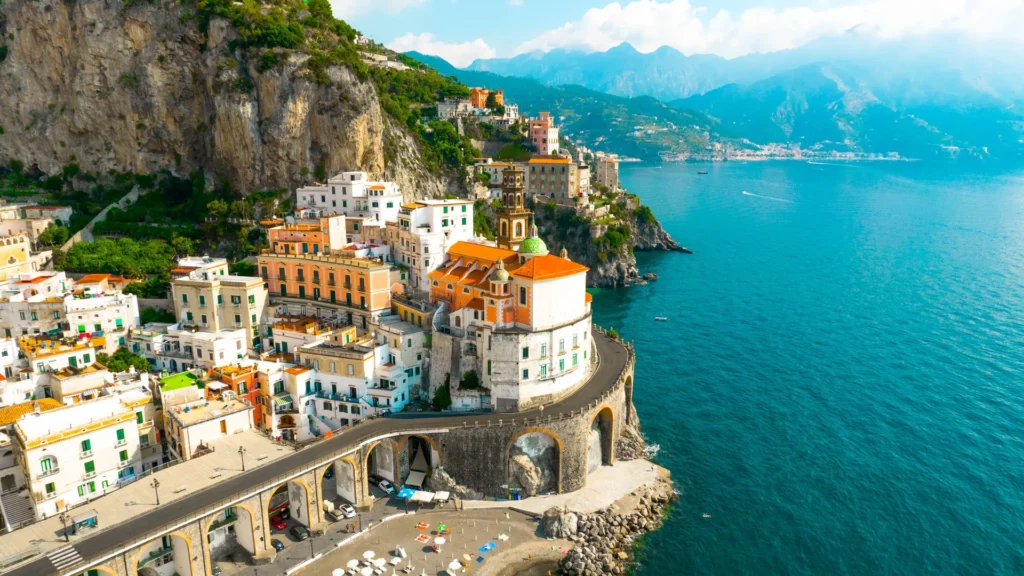
Best Places to Visit in Italy in March
March is a wonderful time to explore Italian cities and historic destinations. Your choice depends on whether you prefer architecture, food, art, or coastal scenery.
Rome
Rome is one of the best destinations for a March city break. Visitors can explore ancient monuments, historic churches, charming neighborhoods, and traditional restaurants.
The relatively mild weather makes walking around the city more comfortable than during the hot summer months.
Florence
Florence is ideal for art and history lovers. You can visit the Uffizi Gallery, admire the Duomo, and explore the city’s beautiful streets.
March also offers a pleasant opportunity to discover Tuscany’s countryside, although some days may be rainy.
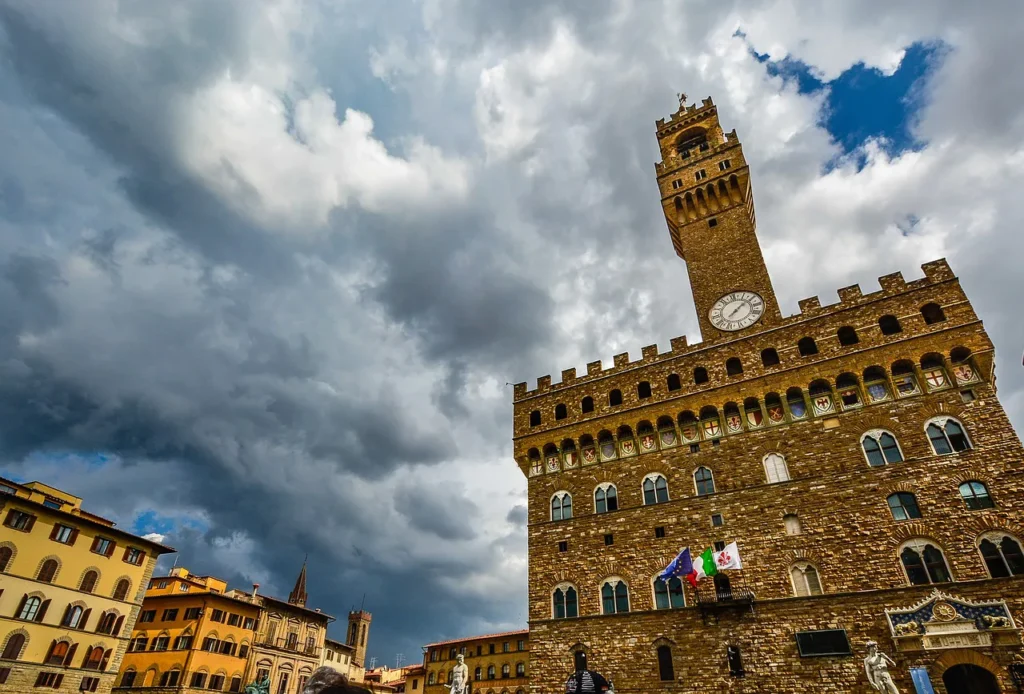
Venice
Venice is especially beautiful during the early spring season. Visitors can enjoy its canals, historic architecture, and traditional cafés while experiencing a quieter atmosphere than during the busiest summer period.
Sicily
Sicily is a good choice for travelers who prefer milder temperatures. Its historic towns, coastal landscapes, and delicious food make it an attractive destination even before the summer beach season begins.
Travelers planning a longer Italian itinerary can also explore cities near Rome, Italy to discover additional destinations worth including in their trip.
What Should You Pack for Italy in March?
Packing for Italy in March requires a little preparation because temperatures can change throughout the day.
Here are some useful items to include:
- Light jacket: Useful for cool mornings and evenings.
- Sweaters: Comfortable for layering when temperatures drop.
- Waterproof jacket: Helpful during unexpected rain showers.
- Comfortable walking shoes: Essential for exploring historic streets and attractions.
- Umbrella: A compact umbrella can be useful on rainy days.
- Scarves: Helpful for cooler evenings, especially in northern Italy.
If your trip includes multiple regions, pack clothing that can work in both mild and chilly conditions.
Conclusion
The weather in Italy in March is generally mild in central and southern regions, while northern areas remain cooler. It is an excellent time for exploring historic cities, enjoying Italian cuisine, and discovering beautiful cultural attractions without the busiest summer crowds.
Rome, Florence, Venice, and Sicily are all worth considering, depending on your travel interests. Pack comfortable layers, prepare for occasional rain, and check local forecasts before departure to make the most of your Italian holiday.
Frequently Asked Questions
1. Is Italy cold in March?
Italy can be cool in March, particularly in northern regions. Central and southern destinations usually experience milder daytime temperatures, although evenings can still be chilly.
2. Does it rain a lot in Italy in March?
Rain is possible throughout March, but conditions vary by region. Northern and central areas can experience occasional showers, so carrying a waterproof jacket is recommended.
3. Is March a good time to visit Rome?
Yes. March is a good time to explore Rome because daytime temperatures are generally mild and summer crowds have not yet reached their peak. However, occasional rain and cooler evenings are possible.
