
If you’re planning to rent a car in Germany, one of the first things to know is which side of the road to use. Germany drives on the right-hand side of the road, and drivers generally overtake slower traffic on the left. This may feel unfamiliar if you’re used to driving on the left, so it’s worth understanding the basic rules before collecting your rental car.
- Does Germany Drive on the Left or Right?
- Which Lane Should You Use on German Roads?
- What Should Tourists Know Before Driving in Germany?
- Do Cars in Germany Have the Steering Wheel on the Left?
- How Do Roundabouts Work in Germany?
- Is Driving on the German Autobahn Different?
- Tips for Adjusting to Right-Hand Driving
- Conclusion
- FAQs
Knowing what side of the road does Germany drive on can help you feel more prepared when driving through German cities, villages, and motorways.
Does Germany Drive on the Left or Right?
Germany follows right-hand traffic. Cars travel on the right side of the road, and the driver’s seat is usually on the left side of the vehicle.
This is important when approaching junctions, turning onto another road, or entering a roundabout. If you’re visiting from a country where traffic keeps left, take a little extra time to adjust before driving in busy areas.
The German Road Safety guide explains the basic rules for using roads in Germany, including right-hand driving and motorway lane use.
Which Lane Should You Use on German Roads?
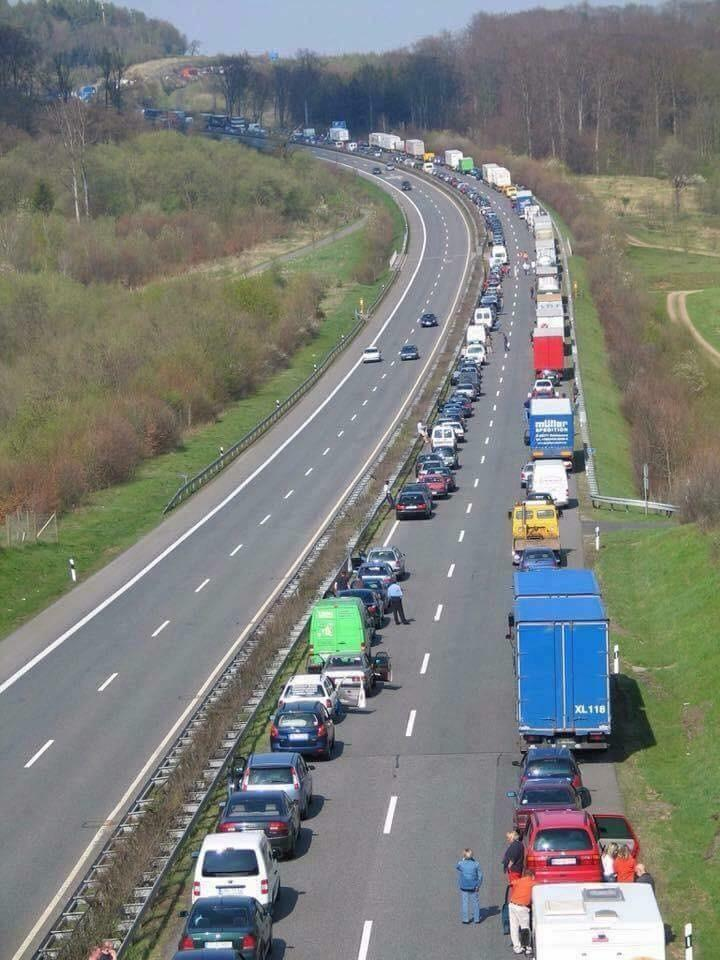
On ordinary two-way roads, keep to the right unless you’re overtaking or road markings and traffic conditions require something different.
On motorways, the right lane is generally for normal driving, while the left lane is used for overtaking. Once you’ve passed a slower vehicle, move back to the right when it’s safe to do so. Avoid staying in the left lane unnecessarily, especially when other vehicles are approaching from behind.
The ADAC guide to German driving rules covers important regulations for visitors, including lane use, speed guidance, and other road requirements.
What Should Tourists Know Before Driving in Germany?
Driving in Germany can be straightforward once you’re familiar with the signs, lane markings, and local rules. However, visitors should prepare before setting off, particularly if they haven’t driven on the right before.
Keep these points in mind:
- Check your driving licence: Confirm that your licence is accepted for your trip and whether you need an international driving permit.
- Choose a suitable rental car: An automatic transmission may make the adjustment easier if you’re unfamiliar with driving on the right.
- Learn the road signs: Understanding speed limits, parking signs, and priority rules can help you avoid mistakes.
- Follow local restrictions: Speed limits and other rules can change depending on the road and posted signs.
- Keep your attention on the road: Take extra care at intersections and when turning onto unfamiliar streets.
Germany’s official road traffic regulations provide the legal rules governing road use. Rental companies can also explain the documents and insurance requirements that apply to your booking.
Do Cars in Germany Have the Steering Wheel on the Left?
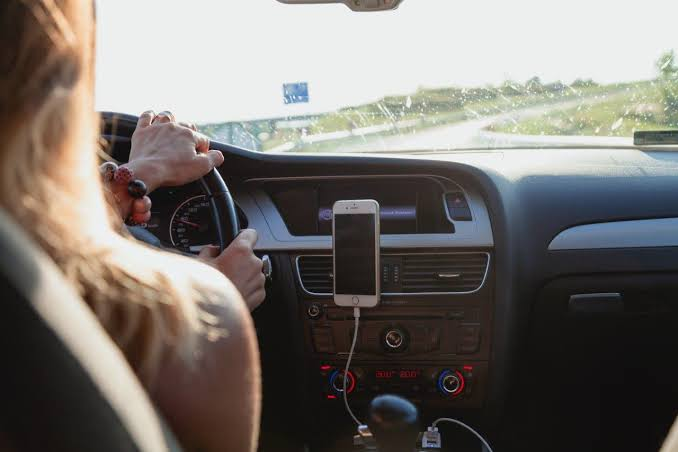
Yes. Most cars in Germany have the steering wheel on the left because traffic keeps to the right. This setup gives the driver a clear position for observing traffic and judging the road.
If you’re renting a car, you’ll generally receive a left-hand-drive vehicle. Drivers who are used to sitting on the right side of the car may need a little practice judging distances and positioning the vehicle correctly.
Before leaving the rental car office, adjust the mirrors and seat, familiarise yourself with the controls, and check that you understand how the lights and indicators work.
How Do Roundabouts Work in Germany?
Roundabouts can be confusing when you’re driving in a different country for the first time. In Germany, traffic generally circulates counterclockwise, and vehicles already travelling in a roundabout usually have priority when the appropriate signs indicate this.
Always pay attention to the signs at the entrance rather than assuming every junction follows the same arrangement. Signal when leaving the roundabout and watch for cyclists and pedestrians nearby.
If you aren’t comfortable with the route, slow down as you approach and give yourself enough time to read the signs.
Is Driving on the German Autobahn Different?
The Autobahn is Germany’s motorway network and is known internationally for sections without a general speed limit. However, not every section is unrestricted. Posted limits apply where indicated, and drivers must adjust their speed to traffic, weather, visibility, and road conditions.
Keep right unless overtaking, maintain a safe distance, and watch for changing speed-limit signs. Roadworks and busy traffic can also affect how fast you can travel.
Before your journey, review the ADAC’s information for driving in Germany and check the rules relevant to your route.
If you’re planning a longer road trip, allow time for breaks and consider the distance between destinations rather than focusing only on motorway speeds. These car travel tips can also help you prepare for a more comfortable journey.
Tips for Adjusting to Right-Hand Driving
If you’ve always driven on the left, the first few minutes behind the wheel may require extra concentration. Start on quieter roads if possible, and avoid beginning your trip during rush hour.
A few simple habits can help:
- Remind yourself to keep right before starting the engine.
- Follow road markings and navigation instructions carefully.
- Take extra care when turning at intersections.
- Leave enough distance between your vehicle and the car ahead.
- Stop somewhere safe if you need to review your route.
Planning your route in advance can reduce distractions, especially when driving between unfamiliar towns. If your trip includes several destinations, this guide to travel adventures may help you plan the wider journey.
Conclusion
Germany drives on the right-hand side of the road, with most vehicles featuring a steering wheel on the left. Drivers generally overtake on the left and return to the right lane when it is safe. Before renting a car, make sure you understand the local signs, roundabout rules, motorway restrictions, and licence requirements. A little preparation can make driving in Germany easier and help you enjoy the journey with greater confidence.
FAQs
1. What side of the road does Germany drive on?
Germany drives on the right-hand side of the road. Drivers generally use the left lane to overtake on motorways.
2. Are cars in Germany left-hand drive?
Yes. Most vehicles in Germany have the steering wheel on the left side of the car.
3. Can tourists drive in Germany?
Yes, tourists can drive in Germany if they meet the applicable licence, documentation, and rental requirements. Check the rules for your country of licence before travelling.
