

Dublin is a city where historic streets, traditional pubs, beautiful parks, and modern cafés come together. You can spend the morning exploring historic landmarks, enjoy lunch in a lively neighborhood, and finish the day listening to traditional Irish music. Whether you are visiting for a weekend or planning a longer Irish holiday, there is plenty to discover.
- 1. Visit Trinity College and See the Book of Kells
- 2. Explore the Guinness Storehouse
- 3. Walk Through the Temple Bar District
- 4. Discover Dublin Castle and Its Historic Surroundings
- 5. Visit St. Patrick’s Cathedral
- 6. Spend Time in Phoenix Park
- 7. Explore Dublin’s Free Museums and Galleries
- 8. Take a Walk Along the River Liffey
- 9. Enjoy Traditional Irish Music
- 10. Visit Howth for Coastal Views
- 11. Try Dublin’s Local Food
- 12. Discover Dublin’s Literary History
- What to Do in Dublin in One, Two, or Three Days
- Tips for Planning Your Dublin Visit
- Conclusion
- FAQs
If you are wondering what to do in Dublin, start with the city’s famous attractions, then leave some time to explore its quieter streets and local neighborhoods. From Trinity College and the Guinness Storehouse to coastal walks and peaceful gardens, these experiences will help you make the most of your visit.
1. Visit Trinity College and See the Book of Kells
Trinity College Dublin is one of the city’s most recognizable landmarks. Founded in 1592, the university has historic buildings, green courtyards, and a central location that makes it easy to include in a walking tour.
One of its biggest attractions is the Book of Kells, an illuminated manuscript created by Celtic monks around the ninth century. Its detailed illustrations and decorated pages offer a glimpse into Ireland’s artistic and religious history.
You can explore the Book of Kells Experience at Trinity College, where the exhibition introduces visitors to the manuscript’s history and the university’s famous Old Library. Book tickets ahead of time if you are visiting during a busy period.
Best for: History lovers, architecture enthusiasts, and first-time visitors.
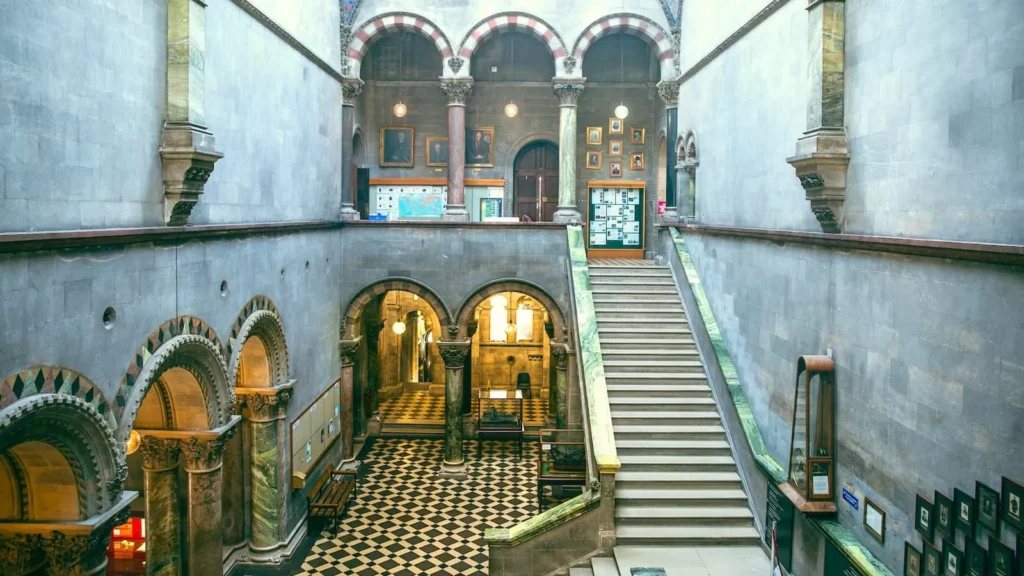
2. Explore the Guinness Storehouse
Even if you are not particularly interested in beer, the Guinness Storehouse is an interesting place to learn about one of Ireland’s best-known brands. Located at St. James’s Gate, the visitor experience explains the brewing process and the history of Guinness through interactive exhibits.
The different levels explore ingredients, advertising, and the drink’s cultural significance. Many visitors finish at the Gravity Bar, where large windows offer panoramic views across Dublin.
At the Guinness Storehouse, you can explore the brand’s history at your own pace before enjoying the views from the top floor. Check ticket availability before your visit, particularly during weekends and holidays.
Best for: Couples, groups of friends, and visitors interested in Irish culture.
3. Walk Through the Temple Bar District
Temple Bar is one of Dublin’s most famous neighborhoods, known for its cobbled streets, colorful buildings, restaurants, pubs, and live music. It is particularly lively in the evening, when visitors gather for dinner and entertainment.
Although the area is popular with tourists, it is worth exploring for its atmosphere and central location. You can browse small shops, visit cultural venues, or simply walk through the narrow streets before choosing somewhere to eat.
Prices at some pubs can be higher than in other parts of the city, so check menus before settling in. If you want to experience traditional music without spending the entire evening in a crowded tourist spot, explore other neighborhoods as well.
Best for: Nightlife, live music, and first-time visitors.
4. Discover Dublin Castle and Its Historic Surroundings
Dublin Castle offers a look at the city’s complicated political history. Originally developed on a site associated with Viking Dublin, it later became an important center of British administration in Ireland. Today, the castle complex remains an important landmark in the city’s historic center.
You can admire the exterior architecture and explore the surrounding streets, where historic buildings sit alongside cafés and cultural attractions. Access to the castle’s interior and State Apartments can vary, so check current visitor arrangements before making plans.
The area is easy to combine with a visit to nearby St. Patrick’s Cathedral or a walk through central Dublin.
Best for: History enthusiasts, photographers, and architecture lovers.
5. Visit St. Patrick’s Cathedral
St. Patrick’s Cathedral is one of Dublin’s most significant religious landmarks. Its long history, impressive Gothic architecture, and detailed stained-glass windows make it a worthwhile stop for visitors interested in Ireland’s heritage.
The cathedral is traditionally associated with Saint Patrick, Ireland’s patron saint. Inside, you can admire the architecture and learn about the building’s history, including its connection with writer Jonathan Swift, who served as its dean.
The visitor information for St. Patrick’s Cathedral can help you plan your visit around opening hours and services, which may affect access at certain times.
Best for: Architecture, history, and cultural sightseeing.
6. Spend Time in Phoenix Park
If you need a break from busy streets and indoor attractions, Phoenix Park is a wonderful place to slow down. This extensive green space offers walking paths, open lawns, mature trees, and opportunities to spot its well-known fallow deer.
You can enjoy a relaxed walk, bring a picnic, or rent a bicycle to cover more ground. The park also contains several notable landmarks, so it is worth checking a map before arriving if you have specific places in mind.
With free entry and space to explore at your own pace, Phoenix Park is a useful addition to a Dublin itinerary, particularly if you want to balance paid attractions with outdoor activities.
Best for: Families, outdoor enthusiasts, and travelers looking for free activities.

7. Explore Dublin’s Free Museums and Galleries
Dublin is a good destination for travelers who want to enjoy culture without paying admission at every attraction. Several museums and galleries offer free entry to their permanent collections, making them useful additions to a budget-friendly itinerary.
The National Gallery of Ireland displays Irish and European art, while the National Museum of Ireland explores archaeology, history, and decorative arts. The National Botanic Gardens provide another enjoyable option, with landscaped grounds and impressive glasshouses.
Choose museums according to your interests rather than trying to visit them all in one day. Check opening hours before heading out, as schedules and temporary exhibitions can vary.
Best for: Art lovers, families, and budget-conscious travelers.
8. Take a Walk Along the River Liffey
The River Liffey runs through the heart of Dublin and offers a different perspective on the city. Walking beside the river lets you see historic bridges, riverside buildings, and the contrast between older neighborhoods and modern developments.
The Ha’penny Bridge is one of the best-known river crossings and makes a convenient stop during a city-center walk. From there, you can continue toward the Docklands or explore the streets on either side of the river.
This is an easy activity to fit between attractions, and it does not require a ticket or a strict schedule. Early mornings can be particularly pleasant if you want photographs without as many people around.
Best for: Casual sightseeing, photography, and leisurely walks.
9. Enjoy Traditional Irish Music
Listening to live Irish music is one of the most memorable experiences you can have in Dublin. Traditional sessions often feature instruments such as fiddles, flutes, bodhráns, and tin whistles, creating a lively sound that reflects Ireland’s musical heritage.
Some pubs host informal sessions where local musicians play together, while other venues organize scheduled performances. The atmosphere and format can differ from one place to another, so check what is happening on the evening you plan to go.
You do not need to understand every song to enjoy the experience. Find a comfortable seat, order something to eat or drink, and take in the music.
Best for: Music lovers, couples, and visitors looking for an evening activity.
10. Visit Howth for Coastal Views
If you have extra time in Dublin, consider taking a trip to Howth, a coastal village northeast of the city center. It is known for its harbor, seafood restaurants, sea views, and walking routes along the coastline.
You can stroll around the harbor, watch boats coming and going, or enjoy a meal overlooking the water. The Howth Cliff Walk is another popular option, offering views across the Irish Sea.
Check local trail conditions and weather before starting a coastal walk, especially when it is windy or rainy. If you prefer an easier outing, the village itself is enjoyable without committing to a longer hike.
Best for: Nature lovers, photographers, and travelers who enjoy coastal scenery.
11. Try Dublin’s Local Food
Dublin’s food scene extends well beyond traditional pub meals. You can find independent cafés, bakeries, international restaurants, food markets, and contemporary Irish cooking throughout the city.
If you want to try local dishes, look for Irish stew, soda bread, seafood chowder, and traditional breakfast options. Markets and casual eateries are useful for a quick lunch, while neighborhoods outside the busiest tourist streets may offer a wider range of dining experiences.
Leave room in your itinerary to try somewhere that catches your attention rather than planning every meal around a famous restaurant. Dublin is also a good place to enjoy coffee and a pastry between sightseeing stops.
Best for: Food enthusiasts, casual travelers, and anyone who enjoys exploring local flavors.
12. Discover Dublin’s Literary History
Dublin has a strong literary tradition and is associated with writers such as James Joyce, Oscar Wilde, Samuel Beckett, and Jonathan Swift. Their stories are woven into the city’s streets, monuments, museums, and historic buildings.
You can visit literary landmarks independently or follow a walking route that connects places associated with famous writers. Merrion Square, for example, is known for its Georgian architecture and the Oscar Wilde memorial sculpture.
If you enjoy literature, set aside time to browse an independent bookshop or visit a museum dedicated to Irish writing. These smaller experiences can add depth to a trip beyond the major tourist attractions.
Best for: Book lovers, history enthusiasts, and travelers interested in Irish culture.
What to Do in Dublin in One, Two, or Three Days
The amount you can see depends on your pace and the attractions you want to visit. This simple itinerary helps you organize your time.
| Trip length | Suggested plan |
| One day | Trinity College, Temple Bar, Dublin Castle’s surroundings, and a walk along the River Liffey |
| Two days | Add the Guinness Storehouse, St. Patrick’s Cathedral, and Phoenix Park |
| Three days | Explore free museums, enjoy live music, and take a trip to Howth |
For a longer European holiday, you could compare Dublin with other destinations using our Barcelona travel guide, which covers another city known for its architecture, food, and walkable attractions.
Tips for Planning Your Dublin Visit
A few practical choices can make your stay easier and help you spend more time exploring.
- Wear comfortable shoes: Many central attractions are within walking distance, but you may cover more ground than expected.
- Bring a waterproof layer: Irish weather can change quickly, even when the day begins with sunshine.
- Book popular attractions ahead: Trinity College’s Book of Kells Experience and the Guinness Storehouse can be busy during popular travel periods.
- Mix paid and free activities: Parks, walks, and many museum collections can help balance your travel budget.
- Check public transport: Buses, the Luas tram network, and the DART train can help you reach places beyond the center.
- Explore beyond the main tourist streets: Neighborhood cafés, local shops, and smaller cultural venues can provide a different view of Dublin.
If your trip includes more of Europe, our guide to things to do in Valencia, Spain offers another city itinerary to consider when planning your next stop.
Conclusion
Knowing what to do in Dublin makes it easier to balance the city’s major landmarks with the experiences that give it character. Visit Trinity College, explore the Guinness Storehouse, and discover the history behind Dublin Castle and St. Patrick’s Cathedral. Then leave time for a riverside walk, a peaceful afternoon in Phoenix Park, or a coastal outing to Howth.
You do not need to fill every hour with paid attractions to enjoy the city. Dublin’s music, historic streets, free museums, and welcoming cafés are all part of its appeal. With a little planning, you can build an itinerary that suits your interests, budget, and travel pace.
FAQs
1. What is Dublin best known for?
Dublin is known for its literary history, traditional Irish music, historic architecture, lively pub culture, and landmarks such as Trinity College and the Guinness Storehouse. It is also a convenient base for exploring Ireland’s coast and countryside.
2. What are the best free things to do in Dublin?
You can walk along the River Liffey, explore Phoenix Park, visit the National Gallery’s permanent collection, and spend time in the National Museum of Ireland. Parks, public spaces, and several cultural attractions provide enjoyable experiences without an admission fee.
3. How many days do you need to explore Dublin?
Two to three days is a useful starting point for exploring Dublin’s major landmarks, museums, neighborhoods, and food scene. With an extra day, you can take a coastal trip to Howth or explore more of the surrounding area.
