

If you’re looking for a Spanish city with historic architecture, impressive churches, local food, and fewer crowds than Madrid or Barcelona, Zaragoza Spain is worth adding to your itinerary. Located in the Aragón region along the Ebro River, Zaragoza has a history shaped by Roman, Islamic, Jewish, and Christian influences.
- 1. Visit the Basilica del Pilar
- 2. Explore the Aljafería Palace
- 3. Walk Around Plaza del Pilar
- 4. See La Seo Cathedral
- 5. Discover Zaragoza’s Roman Past
- 6. Try Traditional Food in Zaragoza
- 7. Take a Walk Along the Ebro River
- 8. Explore the Historic Old Town
- 9. Experience Zaragoza’s Local Festivals
- Best Time to Visit Zaragoza
- How Long Do You Need in Zaragoza?
- Conclusion
- FAQs
The city is easy to explore on foot, and many of its most interesting attractions are close to the historic center.
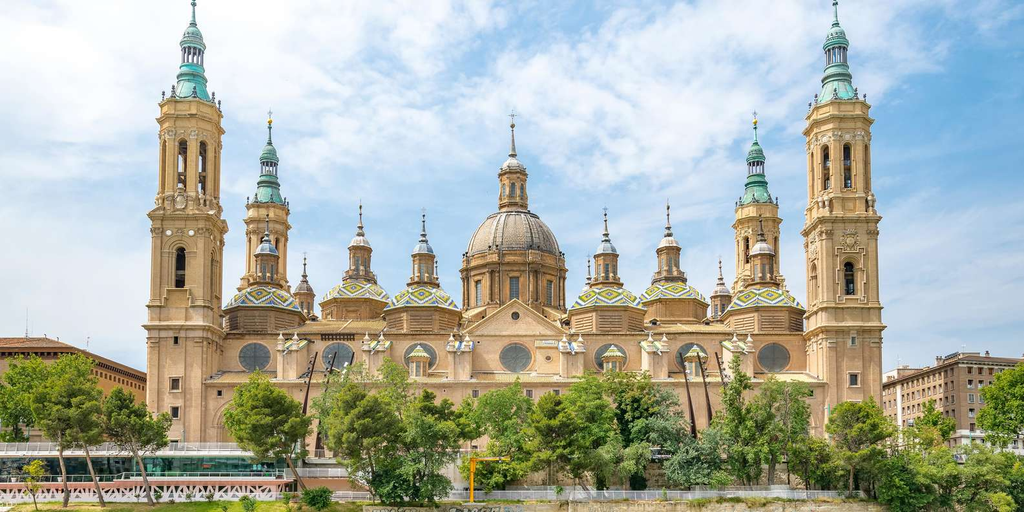
1. Visit the Basilica del Pilar
The Basilica del Pilar is the landmark most closely associated with Zaragoza. Standing beside the Ebro River, its large domes and towers create one of the city’s most recognizable views.
Inside, visitors can see religious artwork and ornate decoration, while the surrounding Plaza del Pilar provides plenty of space to appreciate the building from different angles.
The Basilica of Our Lady of the Pillar is also an important pilgrimage destination and one of the most visited landmarks in Aragón.
For a memorable view, walk toward the river and look back across the water toward the basilica, especially around sunset.
2. Explore the Aljafería Palace
The Aljafería Palace offers a completely different architectural experience. Built during the Islamic period, the palace later became an important Christian royal residence.
Its courtyards, arches, decorative details, and historic rooms reflect the different cultures that have influenced Zaragoza over the centuries.
The palace is now home to the Parliament of Aragón, while parts of the historic building are open to visitors.
The Aljafería Palace is one of the city’s most important examples of Islamic architecture and a must-see for travelers interested in Spanish history.
3. Walk Around Plaza del Pilar
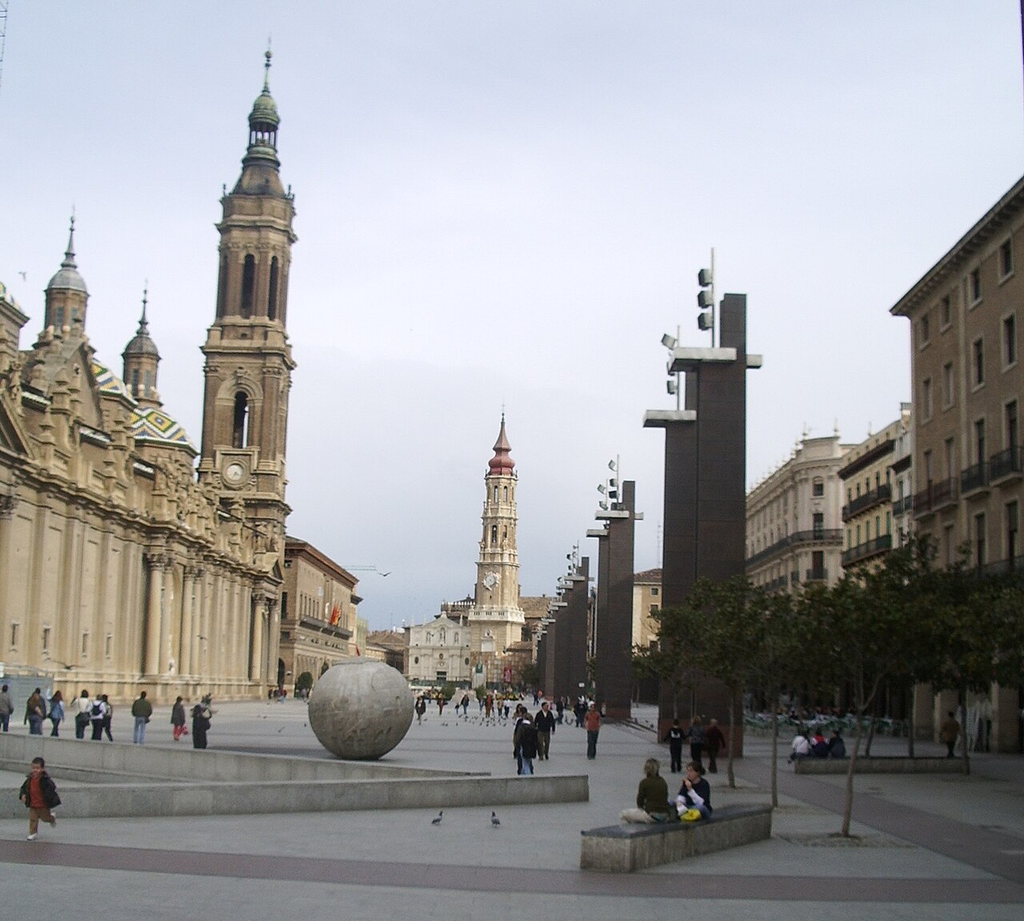
Plaza del Pilar is one of the best places to begin exploring Zaragoza. The enormous square connects several major attractions, including the Basilica del Pilar and La Seo Cathedral.
Instead of rushing through the area, spend some time walking around and taking in the architecture. The square also becomes lively during festivals and local celebrations.
From here, you can easily continue toward the old town and explore Zaragoza’s historic streets.
4. See La Seo Cathedral
Another major landmark near Plaza del Pilar is La Seo, formally known as the Cathedral of the Savior.
The building is particularly interesting because of its mixture of architectural styles. Romanesque, Gothic, Renaissance, Baroque, and Neoclassical elements can all be seen throughout the cathedral.
Inside, the Cathedral of the Savior contains impressive chapels, artwork, and historic details that show how Zaragoza developed over many centuries.
Visiting both La Seo and the Basilica del Pilar gives you a good introduction to the city’s religious and architectural heritage.
5. Discover Zaragoza’s Roman Past
Long before modern Zaragoza existed, the Romans established the city of Caesaraugusta.
Today, visitors can explore several archaeological sites connected to Roman Zaragoza, including remains of the forum, theater, public baths, and river port.
The Roman Theater is particularly interesting because it shows the scale of the ancient city and provides a glimpse into everyday entertainment during Roman times.
Walking between these archaeological sites is also a good way to explore parts of the old city that you might otherwise miss.
6. Try Traditional Food in Zaragoza
Zaragoza is a great destination for travelers who enjoy Spanish food. Local menus feature ingredients and dishes connected to Aragón, including lamb, vegetables, cured meats, and regional cheeses.
One local favorite is ternasco de Aragón, a tender lamb dish that has a strong connection with the region.
Tapas are another easy way to experience the city’s food scene. Instead of ordering one large meal, you can move between different bars and try several small dishes.
Food lovers who enjoy planning trips around memorable experiences may also enjoy travel to epic adventures beyond the ordinary for more destination ideas.

7. Take a Walk Along the Ebro River
The Ebro River adds a relaxed side to Zaragoza. After exploring churches, museums, and historic streets, walking along the river provides a chance to slow down.
The area around the Puente de Piedra is especially scenic. From the bridge, you can see the Basilica del Pilar across the water and capture some of the city’s most recognizable views.
Early morning and late afternoon are particularly pleasant times for a riverside walk, especially during warmer months.
8. Explore the Historic Old Town
Zaragoza’s old town is where many of the city’s layers of history come together. Narrow streets, historic buildings, small plazas, cafés, and traditional shops make it enjoyable to explore without following a strict itinerary.
You can also find remnants of different communities that once lived in the city, including Roman, Islamic, Jewish, and Christian influences.
If you’re planning a longer Spain trip, choosing accommodation in a convenient area can make exploring easier. ideal best places to stay can help when comparing different accommodation options for a trip.
9. Experience Zaragoza’s Local Festivals
Zaragoza becomes particularly lively during local festivals. The most famous celebration is the Fiestas del Pilar, held every October in honor of the city’s patron saint.
The festival brings parades, concerts, traditional performances, flowers, and other events to the city. The famous Flower Offering to the Virgin of the Pillar is one of the highlights.
If your trip coincides with the festival, expect larger crowds and a much livelier atmosphere around the historic center.
Best Time to Visit Zaragoza
Spring and autumn are comfortable seasons for exploring Zaragoza, especially if you plan to spend a lot of time walking around the historic center.
October can be particularly interesting because of the Fiestas del Pilar, although accommodation can become busier during the celebration.
Summer can be hot, so travelers visiting during July or August may prefer exploring outdoor attractions in the morning or later in the afternoon.
How Long Do You Need in Zaragoza?
A two-day Zaragoza itinerary can cover many of the city’s main attractions without feeling rushed.
On the first day, focus on Plaza del Pilar, the Basilica del Pilar, La Seo, and the old town. The second day can include the Aljafería Palace, Roman archaeological sites, museums, local food, and a walk along the Ebro River.
If you have additional time, you can slow down the itinerary and explore neighborhoods, cafés, markets, and smaller attractions.
Conclusion
Zaragoza Spain offers a fascinating combination of Roman history, Islamic architecture, Christian landmarks, local food, and modern city life. Its location between Madrid and Barcelona also makes it an interesting stop for travelers exploring northern and central Spain.
From the Basilica del Pilar and Aljafería Palace to the Ebro River and historic old town, Zaragoza has plenty to keep visitors busy without requiring a packed itinerary.
FAQs
Is Zaragoza Spain worth visiting?
Yes, Zaragoza offers a mix of historic architecture, Roman sites, religious landmarks, local food, museums, and riverside scenery, making it an interesting destination for a Spain itinerary.
How many days are enough for Zaragoza?
Two days are enough to see many of Zaragoza’s major attractions. Travelers with more time can explore additional museums, neighborhoods, restaurants, and nearby areas.
What is Zaragoza famous for?
Zaragoza is particularly known for the Basilica del Pilar, Aljafería Palace, Roman heritage, the Ebro River, and the annual Fiestas del Pilar.
