
Valencia is one of those Spanish cities where historic streets, Mediterranean beaches, modern architecture, and incredible food all come together. If you are looking for things to do in Valencia Spain, you can spend your trip exploring the old town, walking through green spaces, visiting futuristic attractions, relaxing by the sea, and enjoying authentic Valencian paella.
- Explore Valencia’s Historic Old Town
- Visit the City of Arts and Sciences
- Walk Through the Turia Gardens
- Explore the Central Market
- See the Silk Exchange
- Relax at Malvarrosa Beach
- Take a Trip to La Albufera
- Try Authentic Valencian Paella
- Discover El Cabanyal and the Waterfront
- Experience Valencia During Las Fallas
- Explore Valencia by Car
- Keep Your Travel Essentials Organized
- Take Time to Enjoy Valencia’s Local Pace
- Best Time to Visit Valencia
- How Many Days Do You Need in Valencia?
- Conclusion
- FAQs
Explore Valencia’s Historic Old Town
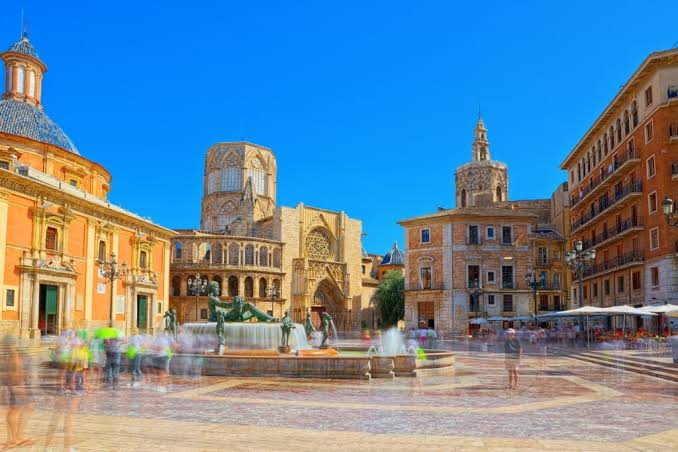
Start your trip in Valencia’s historic center, where narrow streets open onto lively plazas and centuries-old landmarks. The area around Plaza de la Reina and Plaza de la Virgen is ideal for walking and taking in the city’s architecture.
Valencia Cathedral is one of the most important landmarks in the center, while the nearby Miguelete tower offers impressive views if you are ready to climb its 207 steps.
The old town is also a great place to stop for coffee, local pastries, or a relaxed evening meal.
Visit the City of Arts and Sciences
One of the most recognizable places in Valencia is the City of Arts and Sciences. Its futuristic buildings create a striking contrast with the historic parts of the city.
The complex includes the Oceanogràfic, Science Museum, Hemisfèric, Umbracle, Palau de les Arts, and Àgora. You can spend several hours here depending on which attractions you choose to visit.
The City of Arts and Sciences is especially worth visiting if you enjoy architecture, science, photography, or family-friendly attractions.
Walk Through the Turia Gardens
The Turia Gardens are a huge green space running through the city along the former Turia riverbed. It is an easy place to escape the busy streets without leaving central Valencia.
You can walk, cycle, sit beneath the trees, or simply enjoy a slower afternoon here. The gardens also connect several major attractions, making them practical as well as scenic.
For travelers who enjoy exploring cities outdoors, the Turia Gardens are one of the simplest things to do in Valencia Spain.
Explore the Central Market
Food lovers should make time for Valencia’s Central Market. The modernist building is filled with stalls selling fresh produce and local ingredients, creating a lively atmosphere in the heart of the city.
The market sits close to the Silk Exchange, so you can easily combine both attractions during the same walk. Its large collection of food stalls also makes it a good place to experience everyday Valencian food culture.

See the Silk Exchange
La Lonja de la Seda, or the Silk Exchange, is one of Valencia’s most impressive historic buildings. Its connection with the city’s old silk trade gives it an important place in Valencia’s history.
The building is also recognized as a UNESCO World Heritage Site, making it a worthwhile stop for anyone interested in architecture and history.
You can easily visit the Silk Exchange together with the Central Market and surrounding streets.
Relax at Malvarrosa Beach
Valencia is not only about museums and historic buildings. The city also has Mediterranean beaches where you can spend a relaxed afternoon.
Malvarrosa is one of the best-known options, with a broad sandy shoreline and easy access from the city. El Saler offers a more natural setting if you want to spend time away from the busiest urban areas.
Bring comfortable clothes, allow yourself some time by the water, and consider staying until sunset.
Take a Trip to La Albufera
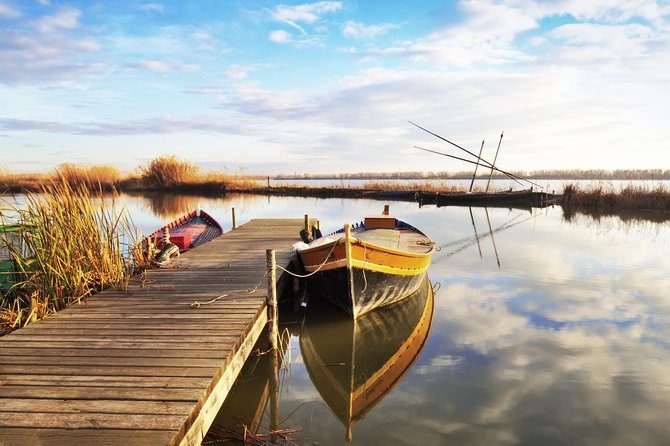
For a change of scenery, head outside the city to La Albufera, a freshwater lagoon and wetland located around 10 kilometers from Valencia.
The area is known for its landscapes, birdlife, walking routes, and traditional boat trips. It is also closely connected with paella, making it a particularly good destination for travelers who want to combine nature and food.
A La Albufera visit is especially beautiful around sunset, when the changing light reflects across the lagoon.
Try Authentic Valencian Paella
Valencia is widely associated with paella, and trying the local version should be part of your trip. Rather than treating it as just another meal, take some time to enjoy it slowly at a traditional restaurant or in the surrounding areas of the city.
The city and nearby areas offer plenty of opportunities to combine food with sightseeing, particularly around the coast and La Albufera.
Discover El Cabanyal and the Waterfront
El Cabanyal-Canyamelar offers a different side of Valencia, with colorful buildings, local restaurants, and a strong connection to the city’s maritime history.
Continue toward the waterfront and Marina area for a more relaxed atmosphere. This is a good part of the city to explore when you want a break from traditional sightseeing and prefer cafés, seafood, seaside walks, and local neighborhoods.
Experience Valencia During Las Fallas
If you visit Valencia in March, you may have the opportunity to experience Las Fallas, one of the city’s most famous celebrations. The festival fills the streets with enormous artistic monuments, music, fireworks, parades, and traditional events.
The celebration reaches its main finale on March 19, when the fallas are burned during La Cremà. Because the festival attracts large crowds and affects traffic across the city, it is worth planning accommodation and transportation well in advance.
Explore Valencia by Car
Valencia is easy to explore without a car, especially around the historic center, but driving can be useful if you want to combine the city with nearby beaches, smaller towns, or countryside destinations.
If you are planning a longer road trip through Spain, car travel with PaxTravelTweaks can give you more ideas for making road journeys comfortable and organized.
Keep Your Travel Essentials Organized
A city trip usually involves carrying your passport, cards, cash, hotel information, and other small essentials while moving between attractions. Keeping everything organized can make busy sightseeing days much easier.
A best travel wallet can be especially useful when you are walking through crowded markets, using public transportation, or moving between different parts of the city.
Take Time to Enjoy Valencia’s Local Pace
One of the best things about Valencia is that you do not need to fill every hour with sightseeing. Leave some time to sit in a plaza, walk through a neighborhood, enjoy horchata, or watch the Mediterranean sunset.
Best Time to Visit Valencia
Valencia can be enjoyable throughout the year, but spring and autumn are particularly comfortable for walking and outdoor activities. Summer is ideal if beaches are a major part of your plans, although temperatures can be higher.
March is a special time because of Las Fallas, while the warmer months are better suited to combining city sightseeing with beach days and outdoor activities.
How Many Days Do You Need in Valencia?
Three days is a good starting point for a first visit. You can use the first day for the historic center, the second for the City of Arts and Sciences and Turia Gardens, and another day for the beach or La Albufera.
With four or five days, you can slow down and explore neighborhoods, museums, local markets, and nearby attractions without rushing.
Conclusion
There are plenty of things to do in Valencia Spain, whether you are interested in history, modern architecture, beaches, food, nature, or local culture. From the historic old town and Central Market to the futuristic City of Arts and Sciences and peaceful landscapes of La Albufera, Valencia offers a balanced mix of experiences.
Rather than trying to see everything in one day, give yourself time to enjoy the city’s Mediterranean atmosphere. That relaxed pace is part of what makes Valencia such an enjoyable destination.
FAQs
What is Valencia best known for?
Valencia is best known for its Mediterranean setting, historic architecture, City of Arts and Sciences, beaches, food, and connection with paella.
How many days are enough for Valencia?
Three days is enough for a good first visit, while four or five days allow you to explore the city and nearby attractions at a more relaxed pace.
Is Valencia worth visiting?
Yes. Valencia combines history, modern architecture, beaches, food, green spaces, and cultural attractions, making it a versatile destination for different types of travelers.
