
A good travel wallet should make traveling easier, not give you one more bulky item to worry about. When you’re moving through airports, checking into hotels, or exploring a busy city, keeping your passport, cards, cash, and travel documents together can save time and unnecessary stress.
- What Should a Travel Wallet Hold?
- 1. Bellroy Travel Wallet
- 2. Pacsafe RFIDsafe Compact Travel Organizer
- 3. Thule Aion Travel Organizer
- 4. Choose a Slim Wallet for Short Trips
- 5. Look for RFID Protection
- 6. Consider How You Travel
- 7. Don’t Forget the Material
- Travel Wallet vs. Regular Wallet
- Keep Your Travel Gear Organized
- How to Choose the Best Travel Wallet
- Final Thoughts
- FAQs
The best travel wallets come in different styles, from simple passport holders to zip-around organizers and compact RFID wallets. The right choice depends on how much you carry, how often you travel, and whether you prefer something slim or more organized.
What Should a Travel Wallet Hold?
Before buying a travel wallet, think about what you actually need to carry. For a short trip, a passport, two or three cards, and some cash may be enough. Longer international trips can require more space for different currencies, boarding passes, SIM cards, and travel documents.
A wallet with too many compartments can become bulky, while one with too little space may leave you carrying extra pouches. Finding the middle ground is usually the easiest approach.
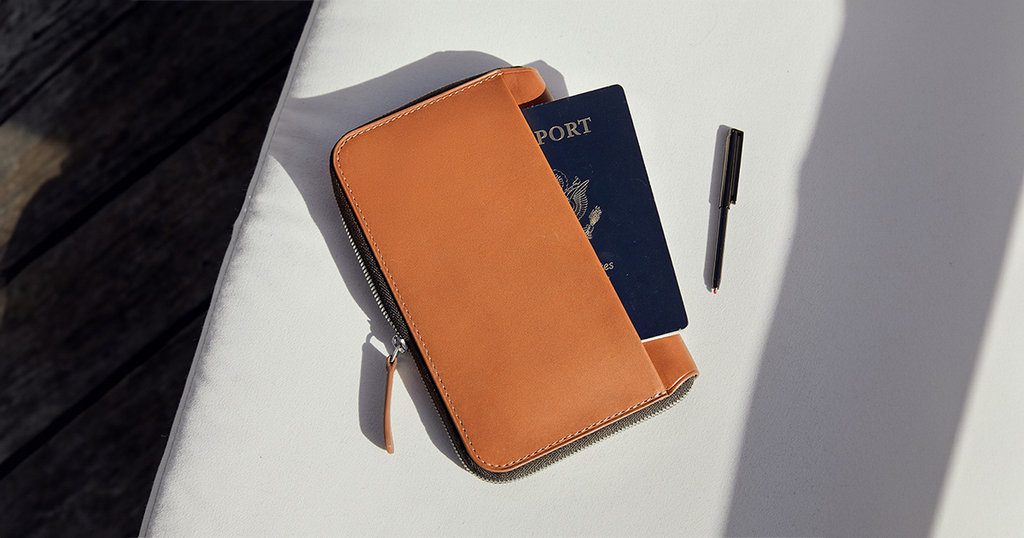
1. Bellroy Travel Wallet
For travelers who want a wallet that can work both at the airport and during everyday use, the Bellroy Travel Wallet is worth considering. It has space for a passport, cards, cash, tickets, and a small pen, while RFID protection adds another layer of security.
Its leather construction also gives it a more traditional wallet feel rather than looking like a document organizer. That makes it a practical option if you don’t want to switch between a normal wallet and a travel wallet.
2. Pacsafe RFIDsafe Compact Travel Organizer
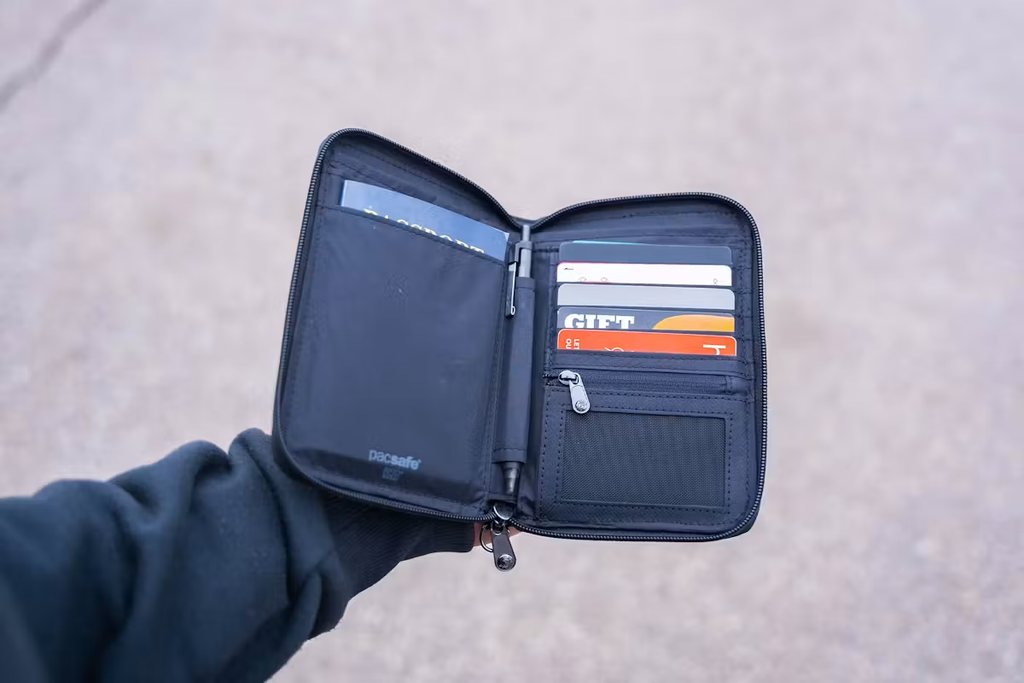
If organization is more important to you than keeping things ultra-slim, the Pacsafe RFIDsafe Compact Travel Organizer offers plenty of useful storage.
It has dedicated spaces for a passport, cards, coins, different currencies, a boarding pass, and a SIM card. It also uses RFID-blocking material, making it useful for travelers who like having important items together in one place.
3. Thule Aion Travel Organizer
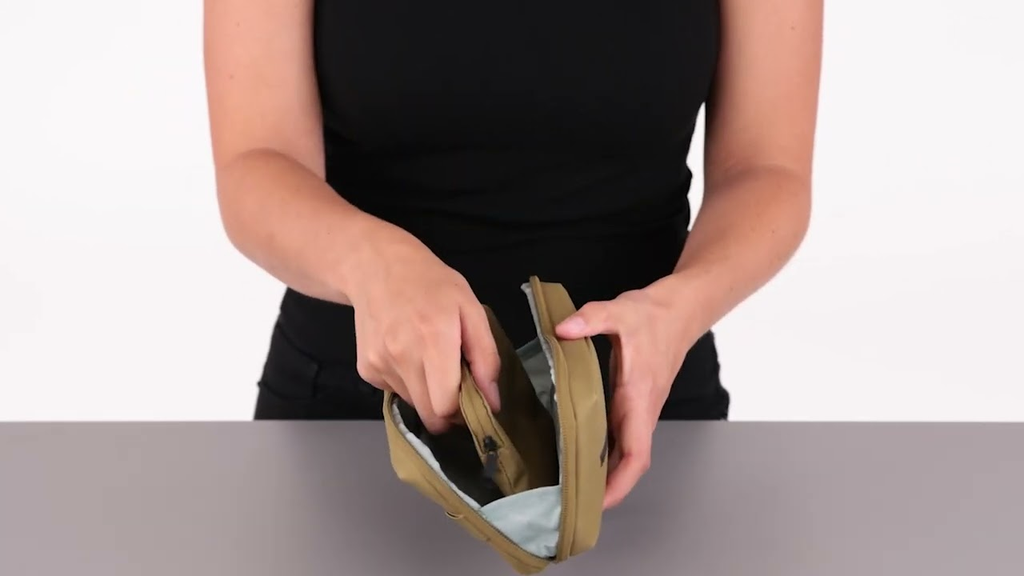
The Thule Aion Travel Organizer takes a slightly different approach. Instead of being just a wallet, it works as a two-in-one organizer that can separate into a travel wallet and an electronics pouch.
The detachable wallet section provides RFID-blocking protection for passports and cards, while the larger section can hold small electronics and other travel essentials. This can be useful if you prefer keeping your travel accessories organized rather than carrying several separate pouches.
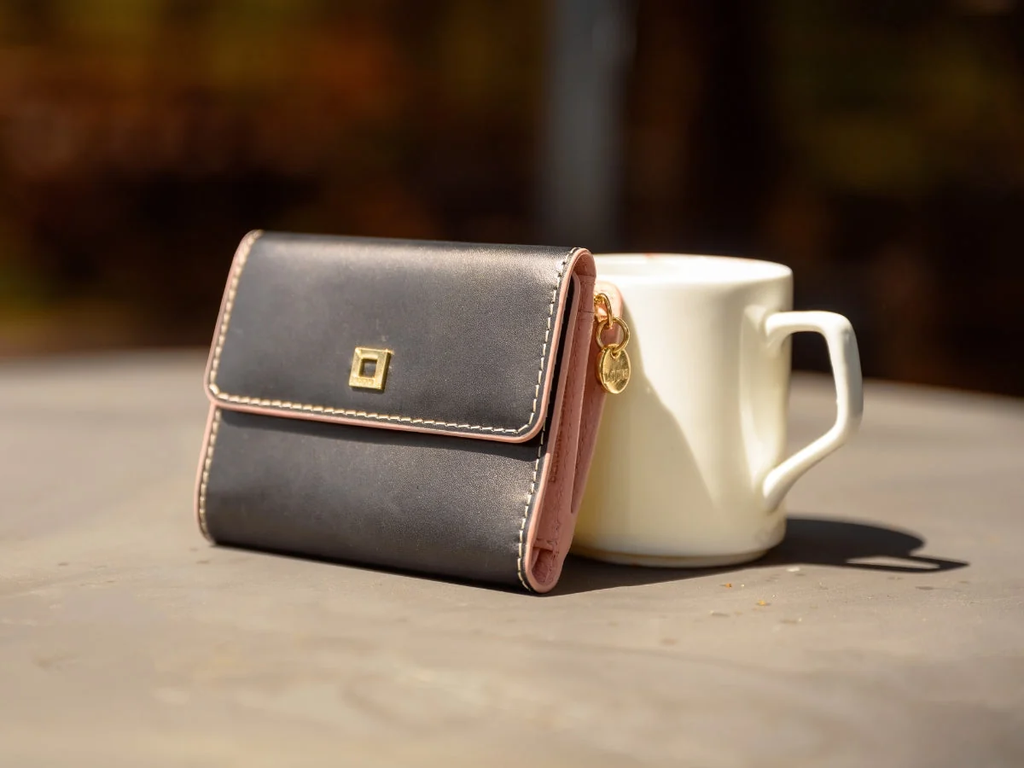
4. Choose a Slim Wallet for Short Trips
Not every traveler needs a large passport organizer. If you’re taking a short trip and plan to carry only a passport, a couple of cards, and some cash, a slimmer wallet may be more comfortable.
A compact design is particularly useful when you’re already carrying a small backpack or crossbody bag. If you’re building a lightweight camera or travel setup, you may also want to consider how other accessories fit into your luggage, including a best travel tripod that won’t take up too much space.
The less unnecessary bulk you carry, the easier it is to reach the things you actually need.
5. Look for RFID Protection
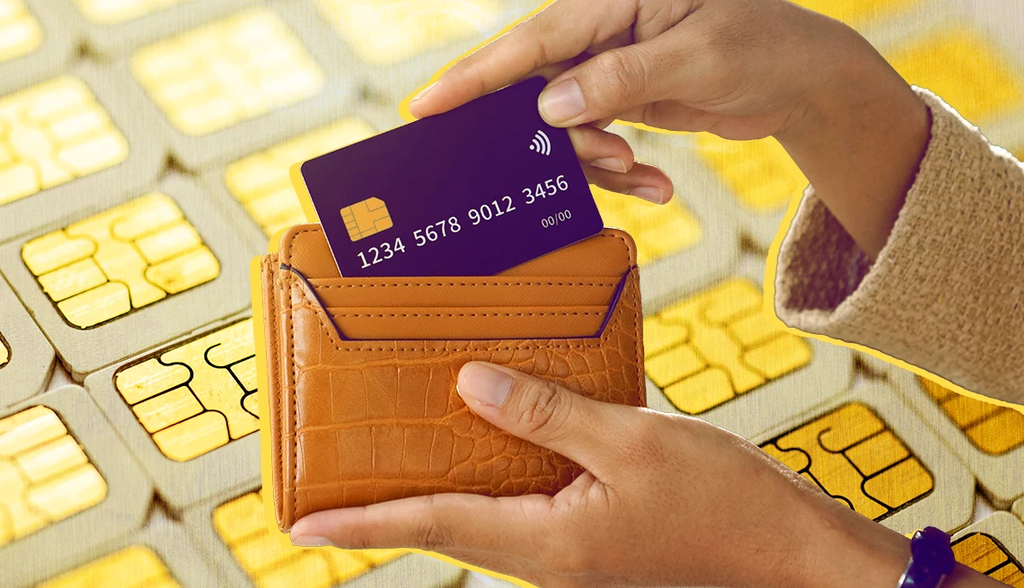
RFID protection is a common feature in modern travel wallets. It is designed to block certain radio-frequency scans from cards and passports that use compatible RFID technology.
It can be a useful additional feature, but it shouldn’t be the only thing you consider when choosing a wallet. Size, construction, compartments, and ease of access are just as important for most travelers.Look for RFID Protection
6. Consider How You Travel
Your travel style should influence the type of wallet you buy.
| Travel Style | Useful Wallet Type | What to Prioritize |
| Weekend trip | Slim passport wallet | Small size and easy access |
| International trip | Passport organizer | Document and card storage |
| Multi-country trip | Zip-around organizer | Multiple currency sections |
| Business travel | Leather travel wallet | Professional design and organization |
| Backpacking | Compact RFID wallet | Lightweight construction |
| Family travel | Larger document organizer | Extra storage capacity |
If you’re frequently moving between airports, trains, hotels, and different cities, easy access can matter more than having the smallest possible wallet.
7. Don’t Forget the Material
The material affects both the appearance and durability of a travel wallet. Leather can look better over time and suit travelers who prefer a traditional style, while recycled polyester and other synthetic materials are often lighter and easier to use outdoors.
Water resistance is another useful feature, particularly if you spend a lot of time walking around cities or traveling through places where rain is common.
You don’t necessarily need the most expensive material. Focus on stitching, zippers, compartments, and how comfortable the wallet feels when it is full.
Travel Wallet vs. Regular Wallet
A regular wallet is usually enough for everyday spending, but a travel wallet is designed around the extra items you carry when leaving home.
A travel wallet may include a passport compartment, boarding-pass section, multiple currency slots, SIM storage, or RFID protection. If you travel internationally several times a year, these small details can make airport days much easier.
For occasional travelers, however, there is no need to buy a large organizer simply because it is marketed as a travel essential.
Keep Your Travel Gear Organized
A travel wallet is only one part of keeping your essentials organized. Where you store it matters too. A dedicated compartment in your backpack can make it easier to reach your passport and cards without having to unpack everything.
For travelers who prefer a dedicated bag for longer trips, a Peak Design Travel Backpack 30L can be useful for keeping smaller travel essentials separate from clothing and larger items.
The goal is simple: keep the things you need most often easy to reach while leaving the rest of your luggage packed away.
How to Choose the Best Travel Wallet
Start by making a quick list of what you normally carry on a trip. If it’s only a passport and a few cards, choose something compact. If you carry cash in different currencies, tickets, coins, and other documents, look for a larger organizer.
Also consider where you will keep it. A wallet that fits comfortably inside your travel backpack may feel too large in a small crossbody bag.
The best choice is ultimately the one that keeps your essentials organized without adding unnecessary bulk.
Final Thoughts
The best travel wallets are not necessarily the biggest or most expensive ones. A good wallet should match the way you travel and give your important documents a dedicated place.
For a simple trip, a slim passport wallet may be all you need. If you’re traveling internationally with several cards, currencies, and documents, a zip-around organizer can be more practical. Features such as RFID protection, durable materials, and smart compartments can also make a noticeable difference.
Before buying one, think about your actual travel routine rather than choosing based only on appearance.
FAQs
What should I keep in a travel wallet?
A travel wallet can hold your passport, essential cards, cash, boarding passes, and other small travel documents. Avoid carrying unnecessary cards or large amounts of cash.
Are RFID travel wallets worth it?
RFID protection can provide an additional layer of security for compatible cards and passports. However, it should be considered one feature among several rather than the main reason to choose a wallet.
What size travel wallet is best?
A compact wallet works well for short trips and light packing, while a larger organizer is more useful if you carry multiple currencies, documents, cards, and boarding passes.
