
Zimbabwe safaris offer an exciting way to experience Africa’s wildlife, dramatic landscapes, and remote wilderness areas. From watching elephants gather near waterholes to exploring riverbanks filled with birds and hippos, the country offers memorable experiences for nature lovers and adventure seekers.
- Why Choose Zimbabwe Safaris?
- Explore Hwange National Park
- Discover Mana Pools National Park
- Combine Your Safari With Victoria Falls
- What Is the Best Time for Zimbabwe Safaris?
- Zimbabwe Safaris at a Glance
- Choose the Right Zimbabwe Safari Package
- What to Pack for a Zimbabwe Safari
- How Much Do Zimbabwe Safaris Cost?
- Travel Responsibly During Your Safari
- Conclusion
- FAQs
Zimbabwe is home to remarkable destinations, including Hwange National Park, Mana Pools National Park, and the area surrounding Victoria Falls. Each offers a different atmosphere, whether you prefer traditional game drives, walking safaris with professional guides, or scenic adventures along the Zambezi River.
With the right itinerary, you can combine wildlife viewing, comfortable safari lodges, and outdoor activities into a rewarding African holiday.
Why Choose Zimbabwe Safaris?
Zimbabwe stands out for its varied landscapes, experienced safari guides, and opportunities to explore wilderness areas. Its national parks protect elephants, lions, leopards, buffaloes, antelope, and many bird species.
Another advantage is the range of safari experiences available. Travelers can choose guided game drives, walking safaris in permitted areas, boat excursions, or stays at camps overlooking rivers and wildlife waterholes.
The country also makes it possible to combine a wildlife adventure with a visit to Victoria Falls. This gives travelers the chance to experience both the excitement of safari and one of Africa’s most famous natural attractions.
Explore Hwange National Park
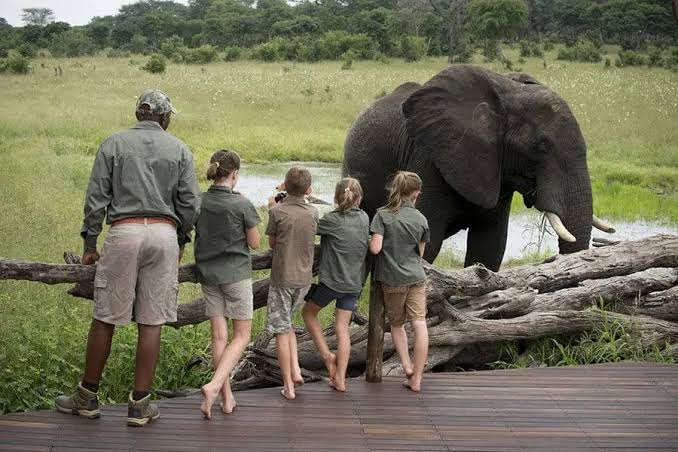
Hwange National Park is one of the leading destinations for Zimbabwe safaris. Located in the country’s northwest, it is Zimbabwe’s largest national park and is particularly famous for its elephants.
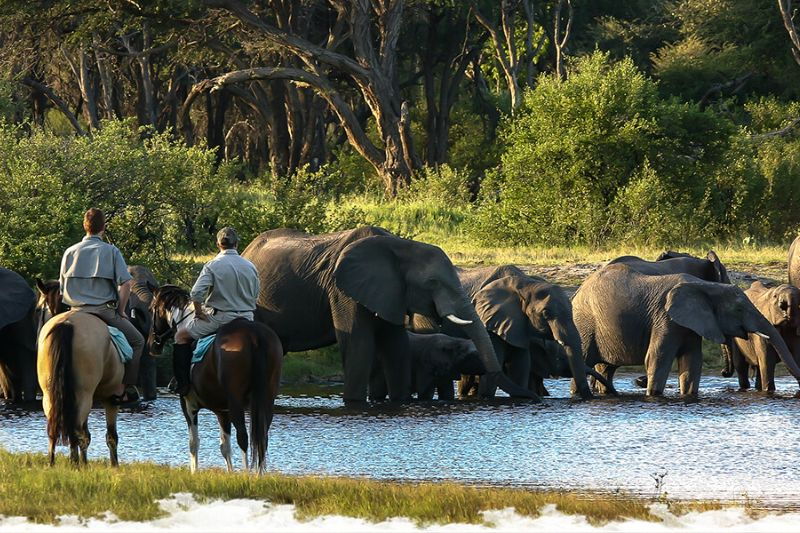
The park’s savanna grasslands, woodlands, and waterholes attract a wide range of wildlife. Visitors may encounter elephants, lions, leopards, buffaloes, and several species of antelope during guided game drives.
Dry-season visits can be especially rewarding because animals often gather around available water sources. Some lodges also provide views of waterholes, allowing guests to observe wildlife without spending every moment in a safari vehicle.
The Hwange National Park wildlife reserve is a strong choice for travelers who want classic African safari scenery and opportunities to see large elephant herds.
Discover Mana Pools National Park
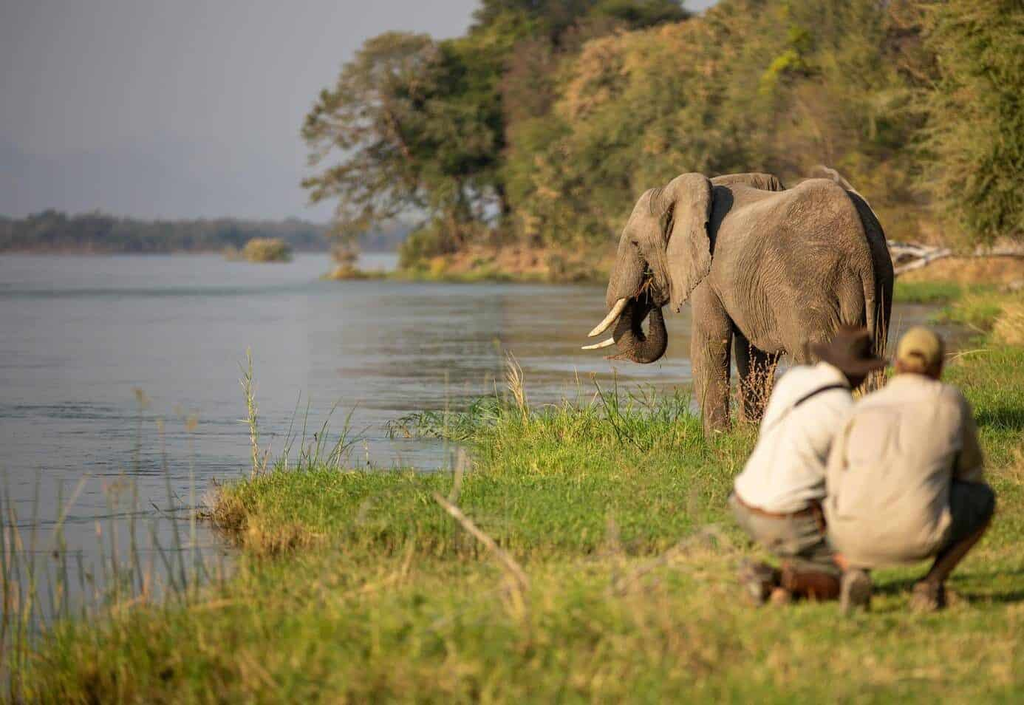
Mana Pools National Park offers a different experience, with riverine forests, open floodplains, and the Zambezi River shaping its landscape. The park is known for its remote atmosphere and diverse wildlife, including elephants, hippos, crocodiles, and numerous bird species.
Depending on the location, season, and available activities, visitors may explore the area through guided walks, canoe excursions, or traditional game drives. Walking and canoe safaris require appropriate guidance and must follow local safety rules.
The park can appeal to travelers looking for a more immersive wilderness experience rather than a trip focused entirely on vehicle-based wildlife viewing. Its distinctive environment also creates excellent opportunities for nature photography.
You can explore the landscape and wildlife of Mana Pools National Park as part of a wider Zimbabwe adventure.
Combine Your Safari With Victoria Falls
Victoria Falls is one of the most impressive natural attractions in southern Africa and a popular addition to Zimbabwe safari itineraries. Located on the Zambezi River along the border between Zimbabwe and Zambia, the waterfall is known for its enormous curtain of falling water and surrounding rainforest.
Visitors can walk along designated viewpoints, photograph the falls, and experience the surrounding landscape. Depending on the season and local conditions, activities in the wider area may include river cruises, guided nature experiences, and adventure activities.
The amount of spray and visibility can vary with water levels. Higher flows can create dramatic mist, while lower flows may offer clearer views of sections of the rock face.
What Is the Best Time for Zimbabwe Safaris?
The best time to plan Zimbabwe safaris depends on your wildlife interests, preferred weather, and chosen destinations.
The dry season, generally from May or June through October, is popular for wildlife viewing. As vegetation becomes thinner and water becomes less available in some areas, animals may gather around rivers and waterholes, making them easier to spot. Travelers planning Zimbabwe safaris during the dry season may find this period particularly rewarding for game drives.
July through September is often especially good for traditional wildlife viewing in parks such as Hwange. October can also offer excellent sightings, although temperatures may become very hot.
The wetter months, usually from November through March, bring greener landscapes and can be excellent for birdwatching. However, rainfall may make some roads more challenging, and conditions vary between parks.
Zimbabwe Safaris at a Glance
| Safari Destination | Best Known For | Ideal Experience |
| Hwange National Park | Large elephant herds and diverse wildlife | Game drives and waterhole viewing |
| Mana Pools National Park | Zambezi River scenery and rich wildlife | Guided walking and canoe safaris where available |
| Victoria Falls | Spectacular waterfalls and scenic views | Nature walks, photography, and adventure activities |
| Matobo National Park | Rocky landscapes and cultural heritage | Scenic drives, guided walks, and historical sites |
The best destination depends on your interests and travel dates. Hwange is an excellent choice for classic wildlife viewing, while Mana Pools appeals to travelers seeking a more immersive wilderness experience. Victoria Falls adds spectacular scenery to a safari itinerary, and Matobo offers a different combination of landscapes, wildlife, and cultural history.
Choose the Right Zimbabwe Safari Package
Safari packages vary in length, accommodation, transportation, and included activities. Comparing these details before booking helps you find an option that fits your travel style.
A short safari may focus on Hwange or the Victoria Falls area, while a longer trip can include Mana Pools and other destinations. Private safaris usually offer greater flexibility, whereas group trips may help reduce costs.
Accommodation options range from basic campsites to tented camps and luxury lodges. Some properties provide full meals, guided drives, transfers, and other activities, while less expensive packages may charge separately for certain services.
Before booking, check whether your package includes park fees, transportation, meals, guide services, and airport transfers. Also confirm the cancellation policy and any additional charges. Zimbabwe’s national parks and protected areas offer a range of settings for different safari itineraries.
What to Pack for a Zimbabwe Safari
Packing well can make early morning game drives and long days outdoors more comfortable.
- Neutral-colored clothing: Lightweight khaki, brown, and green clothing is practical for safari activities.
- Comfortable shoes: Walking shoes are useful around camps and lodges.
- Sun protection: Bring sunscreen, sunglasses, and a wide-brimmed hat.
- Binoculars and a camera: These help you observe animals and photograph wildlife from a safe distance.
- A light jacket: Early morning drives can be cool, especially during the dry season.
- Insect repellent: Use suitable protection and follow local health advice.
- Travel documents: Keep your passport, bookings, and relevant entry documents organized.
If wildlife photography is a priority, a suitable travel tripod can be useful for certain landscape and low-light shots, provided it is practical for your safari vehicle and accommodation.
How Much Do Zimbabwe Safaris Cost?
The cost of Zimbabwe safaris depends on the duration, accommodation standard, season, transportation, and activities included.
Camping trips are generally more affordable than luxury lodge experiences. Private vehicles, charter flights, premium camps, and specialized excursions can increase the total price.
When comparing packages, look beyond the advertised rate. Check park fees, meals, transfers, game drives, and any additional activity charges. A lower-priced trip may not include the same services as a more comprehensive package.
Booking in advance can help secure preferred lodges during busy months. It is also worth asking operators about group sizes, guide qualifications, and their approach to wildlife conservation.
Travel Responsibly During Your Safari
Responsible travel helps protect Zimbabwe’s wildlife and supports the communities connected with tourism.
Follow your guide’s instructions, maintain a safe distance from animals, and avoid actions that disturb wildlife. Never feed wild animals or attempt to approach them for photographs.
Choose operators that respect park regulations and prioritize responsible wildlife viewing. When visiting local communities, respect cultural practices and ask permission before taking photographs of people.
Remember that wildlife sightings are never guaranteed. A responsible safari focuses on appreciating animals in their natural environment rather than expecting every encounter to happen on demand.
Conclusion
Zimbabwe safaris combine remarkable wildlife, beautiful wilderness areas, and opportunities to explore some of southern Africa’s most memorable landscapes. From elephant encounters in Hwange National Park to the river scenery of Mana Pools and the impressive views of Victoria Falls, each destination offers something different.
The best itinerary depends on your budget, travel dates, accommodation preferences, and the experiences you want most. Compare safari packages carefully, prepare for the weather, and choose responsible guides to make the most of your trip.
With thoughtful planning, Zimbabwe can provide an unforgettable adventure filled with wildlife, scenic beauty, and meaningful encounters with nature.
FAQs
What is the best time to go on a Zimbabwe safari?
June through October is generally popular for wildlife viewing because dry conditions can make animals easier to spot. The best timing depends on the park, weather, and experiences you want.
Which animals can you see on Zimbabwe safaris?
Depending on the park and conditions, visitors may see elephants, lions, leopards, buffaloes, hippos, crocodiles, antelope, and many bird species. Wildlife sightings vary, so they cannot be guaranteed.
Are Zimbabwe safaris suitable for first-time visitors?
Yes. Guided safaris are a good option for first-time visitors because experienced guides help with wildlife spotting, park navigation, and safety. Choose a package with clear details about accommodation, transport, activities, and included costs.
