

The best time to go to Maldives is generally January through March, when the weather is usually drier, sunshine is plentiful, and the sea is often calmer. These conditions make it easier to enjoy the experience most people imagine when booking a Maldives holiday: turquoise lagoons, white-sand beaches, snorkeling trips, and afternoons spent in an overwater villa.
- Maldives Weather Month by Month
- January to March: Best for Sunshine and Clear Water
- April: A Useful Month Between Seasons
- May to November: Is the Rainy Season Worth It?
- November and December: A Change in the Weather
- What Is the Cheapest Time to Visit Maldives?
- Best Time to Go to Maldives for Different Activities
- How Long Should You Stay in the Maldives?
- Conclusion
- FAQs
But perfect weather isn’t the only reason to choose your travel dates. December through April is generally the busier, drier season, so resorts may charge higher rates, particularly around Christmas and New Year. May through November brings a greater chance of rain and stronger winds, but it can also mean more attractive accommodation prices.
The Maldives stays warm throughout the year, with temperatures commonly around 25–32°C. According to the Maldives Meteorological Service, seasonal monsoon patterns influence rainfall, wind, and sunshine rather than creating cold and hot seasons like those found in many other destinations.
Maldives Weather Month by Month
The weather can vary from one month to another, so choosing dates around your activities can make a real difference.
| Month | Typical Conditions | Best For |
| January | Mostly dry and sunny | Beach holidays and snorkeling |
| February | Dry weather and calmer seas | Honeymoons and diving |
| March | Sunny, warm, and increasingly hot | Swimming and island trips |
| April | Hot, with changing seasonal conditions | Beaches and quieter travel dates |
| May | Rain and stronger winds become more likely | Travelers looking for value |
| June | Wetter conditions and occasional rough seas | Surfing and marine-life trips |
| July | Warm, with a higher chance of showers | Flexible, budget-conscious holidays |
| August | Humid, with mixed weather | Diving and selected marine-life excursions |
| September | Rain is more likely | Resort deals and flexible itineraries |
| October | Unsettled weather, with possible sunny spells | Travelers prioritizing value |
| November | Transition toward drier conditions | Shoulder-season holidays |
| December | Generally improving weather, with holiday crowds | Festive escapes and luxury stays |
These are broad seasonal patterns, not a daily forecast. Tropical showers can occur during the dry season, and rainy-season days can still have plenty of sunshine.
January to March: Best for Sunshine and Clear Water
If you want the classic Maldives experience, January, February, and March are strong choices. The northeast monsoon generally brings drier conditions, and calmer seas can make boat transfers, snorkeling, and diving more enjoyable.
February is especially appealing for couples planning a honeymoon or travelers who want to spend most of their holiday outdoors. You can start the morning with breakfast overlooking the lagoon, spend a few hours snorkeling, and finish the day watching the sunset from the beach.
March is also excellent for swimming, although temperatures can feel particularly hot. Plan excursions earlier in the day and take breaks in the shade during the afternoon.
The main disadvantage is cost. Resorts can be expensive during these months, and popular properties may sell out well ahead of time. If your dates fall around Valentine’s Day or the Christmas holiday period, compare packages carefully rather than assuming the advertised room rate includes every transfer and meal.

April: A Useful Month Between Seasons
April sits near the transition between the drier and wetter parts of the year. It can offer plenty of sunshine and warm water, although humidity and the chance of showers may increase as the month progresses.
For travelers who want a beach-focused holiday but prefer to avoid the busiest winter travel period, April is worth considering. It’s also a good month to compare resort offers, particularly if you can travel outside major holiday dates.
One thing to remember is that the weather doesn’t change uniformly across every atoll. If snorkeling or diving is central to your plans, ask your resort or dive operator about recent visibility and sea conditions before committing to specific excursions.
May to November: Is the Rainy Season Worth It?
Yes, provided you’re comfortable with some uncertainty. The southwest monsoon usually brings wetter conditions from around mid-May through November. Rain showers can be heavy, winds can strengthen, and some days may be less suitable for long boat trips.
However, this doesn’t mean your holiday will be washed out. Rain can pass quickly, leaving time for swimming, spa treatments, meals overlooking the ocean, and other resort activities. Some travelers also prefer this period because accommodation deals may be easier to find.
June through August can appeal to surfers looking for stronger waves. From June to October, certain areas can also offer rewarding manta ray encounters, depending on local conditions and where you stay.
If marine life is a priority, the Manta Trust offers information about manta rays and conservation that can help you understand the wildlife you’re hoping to see. Sightings are never guaranteed, so choose responsible operators who respect marine animals.
For a rainy-season trip, book accommodation with indoor activities, check transfer arrangements, and leave some flexibility in your schedule. That way, a change in the forecast won’t disrupt your entire holiday.
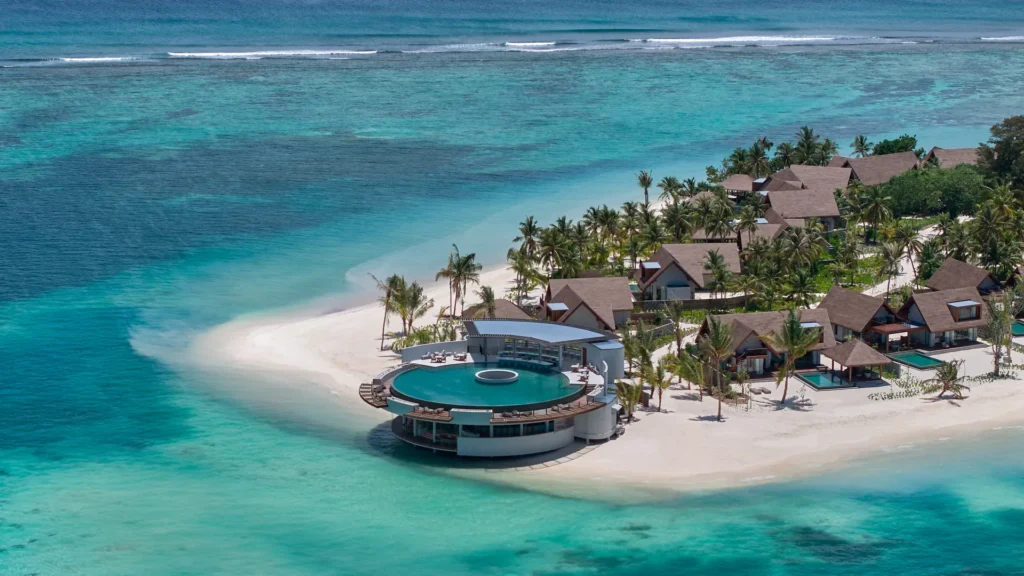
November and December: A Change in the Weather
November is a transition month when conditions may begin shifting toward the drier season. You can experience sunny beach days, but showers and unsettled weather are still possible.
December becomes increasingly attractive as the holiday season approaches. Travelers looking for a festive escape can enjoy warm evenings, tropical scenery, and resort celebrations instead of winter temperatures at home.
The trade-off is demand. Christmas and New Year are among the most popular times to visit, so accommodation and transfers can become expensive. If you’re planning a December trip, book early and read the package details carefully, including meal plans, seaplane transfers, and mandatory festive supplements where applicable.
What Is the Cheapest Time to Visit Maldives?
The wetter months, particularly parts of May through September, are often worth checking if you’re trying to keep costs down. Resorts may offer lower rates than during the peak dry season, although prices differ considerably by property, room type, and booking dates.
A lower nightly rate doesn’t always mean a cheaper holiday overall. Some resorts require speedboat or seaplane transfers, which can add significantly to the total cost. Compare the full package, including meals, taxes, transfers, and activities.
Travelers who want more flexibility can also consider guesthouses on inhabited islands instead of private-island resorts. These stays can provide a different view of Maldivian life, but local customs matter: modest clothing is expected in public areas on inhabited islands, and alcohol restrictions apply outside licensed resort settings.
If you’re organizing an international trip, our guide to travel wallets can help you choose a practical way to carry payment cards and travel documents.
Best Time to Go to Maldives for Different Activities
The right month depends on what you want to do beyond relaxing by the pool.
- For a honeymoon: January through March is a good choice for generally drier weather and romantic beach days.
- For snorkeling and diving: January through March often offers clearer water, although visibility depends on the location and conditions.
- For surfing: The southwest monsoon season, especially around June to August, can bring more consistent waves in suitable locations.
- For manta rays: June through October can be productive in some areas, including parts of Baa Atoll, but sightings depend on conditions and wildlife movement.
- For a lower-cost stay: Compare rates from May through November, and look at the total cost rather than the room price alone.
For diving, snorkeling, or surfing, ask local operators about current conditions instead of relying only on seasonal averages. The PADI dive site is also useful for learning about scuba diving and finding information on diving opportunities.
How Long Should You Stay in the Maldives?
A four- to seven-night stay works well for many first-time visitors. Four nights may be enough for a short resort escape, while a week gives you more time to enjoy the beach, take boat trips, and relax without packing every day with activities.
If you want to visit more than one island, check transfer times and costs before booking separate hotels. Domestic flights, speedboats, and seaplanes operate on different schedules, and some transfers may not run late at night.
It’s also worth deciding whether you want a private resort or a guesthouse on a local island. Resorts offer privacy and convenience, while inhabited islands can provide a more community-focused experience. Both can make a memorable trip, but the best option depends on your budget and travel style.
Conclusion
The best time to go to Maldives is usually January through March if sunshine, calmer seas, and snorkeling conditions are your main priorities. April and November can offer a useful balance as the seasons change, while May through October may suit travelers looking for better resort deals or specific water activities.
There is no month that guarantees perfect weather. Compare the full cost of your stay, consider the activities you care about most, and check the forecast and transfer arrangements before departure. With the right expectations, the Maldives can be a rewarding destination in more than one season.
FAQs
1. What is the best month to go to Maldives?
February is an excellent choice for generally dry weather and calmer seas. January and March are also strong options for beach holidays, snorkeling, and diving.
2. Is it worth visiting Maldives during the rainy season?
Yes. The rainy season can bring lower accommodation prices, and showers often alternate with sunny periods. Choose a resort with activities beyond the beach and allow flexibility for outdoor excursions.
3. When is the cheapest time to visit Maldives?
May through September is worth comparing for lower resort rates, although savings vary by property and travel dates. Check transfer fees, meals, and taxes before deciding which package offers the best value.
