

The best month to visit Croatia depends on what you want from your trip. If swimming in the Adriatic Sea, visiting island towns, and enjoying long evenings outdoors are priorities, June and September are excellent choices. May is also a lovely time to explore, especially if you prefer sightseeing without the busiest summer crowds.
- May: Ideal for Sightseeing and Coastal Walks
- June: The Best Month for a Balanced Croatia Holiday
- July and August: Best for Beaches and Summer Energy
- September: Best for Warm Water and Fewer Crowds
- October: A Quieter Time to Explore
- Winter: Best for City Breaks and Lower Prices
- What Is the Cheapest Month to Visit Croatia?
- How to Choose the Right Month for Your Trip
- Conclusion
- FAQs
Croatia changes noticeably throughout the year. Dubrovnik’s stone streets can feel packed in August, while the same streets become much easier to enjoy in spring or autumn. On the islands, the season also affects ferry schedules, restaurant opening hours, and accommodation prices.
For most travelers, May, June, and September offer the best balance of pleasant weather, sightseeing opportunities, and manageable crowds.
May: Ideal for Sightseeing and Coastal Walks
May is a good month for travelers who want to explore Croatia beyond its beaches. The weather is generally mild, outdoor cafés begin filling up, and historic areas are easier to enjoy without the intensity of peak summer tourism.
In Dubrovnik, you can walk along the famous city walls, wander through the Old Town, and stop for coffee in a quiet square without dealing with August’s heaviest crowds. Split is another strong choice, particularly if you want to explore Diocletian’s Palace and spend time along the waterfront.
The main drawback is the sea temperature. Swimming may feel refreshing rather than comfortable, particularly early in May. Some seasonal boat services and island businesses may also have limited schedules, so check connections before planning an island-hopping trip.
June: The Best Month for a Balanced Croatia Holiday
If you want warm weather without the full pressure of the summer rush, June may be the best month to visit Croatia. Days are long, coastal towns are lively, and island connections generally become more frequent as the summer season gets underway.
This is a particularly good time to visit Hvar, take a boat trip around the Dalmatian islands, or spend a few days in Zadar before heading south. You can combine beach time with historical sightseeing without having to structure every activity around the hottest part of the day.
June is not completely quiet, especially toward the end of the month. Popular accommodation can become expensive, so booking ahead is sensible if your dates are fixed.
For an island-focused itinerary, check Jadrolinija’s ferry schedules before reserving accommodation. A beautiful island stay is much less convenient if your chosen ferry does not run on the day you need it.
July and August: Best for Beaches and Summer Energy
July and August are Croatia’s busiest travel months. The sea is warm, beach clubs are active, outdoor events fill the calendar, and island towns have their liveliest atmosphere.
If your ideal holiday involves swimming, sailing, late dinners by the water, and spending afternoons on the beach, these months make sense. Hvar attracts visitors looking for nightlife, while Brač offers famous beaches such as Zlatni Rat. Dubrovnik and Split also have plenty happening throughout summer.
The trade-off is the crowds. Accommodation prices rise, popular beaches become busy, and traffic around major coastal destinations can be frustrating. Walking through Dubrovnik’s Old Town in the middle of the day can also feel tiring in the heat.
If you travel during these months, reserve accommodation early and visit major attractions in the morning. For a quieter experience, consider smaller coastal towns or plan a few days inland instead of spending the entire holiday in the most popular resorts.
September: Best for Warm Water and Fewer Crowds
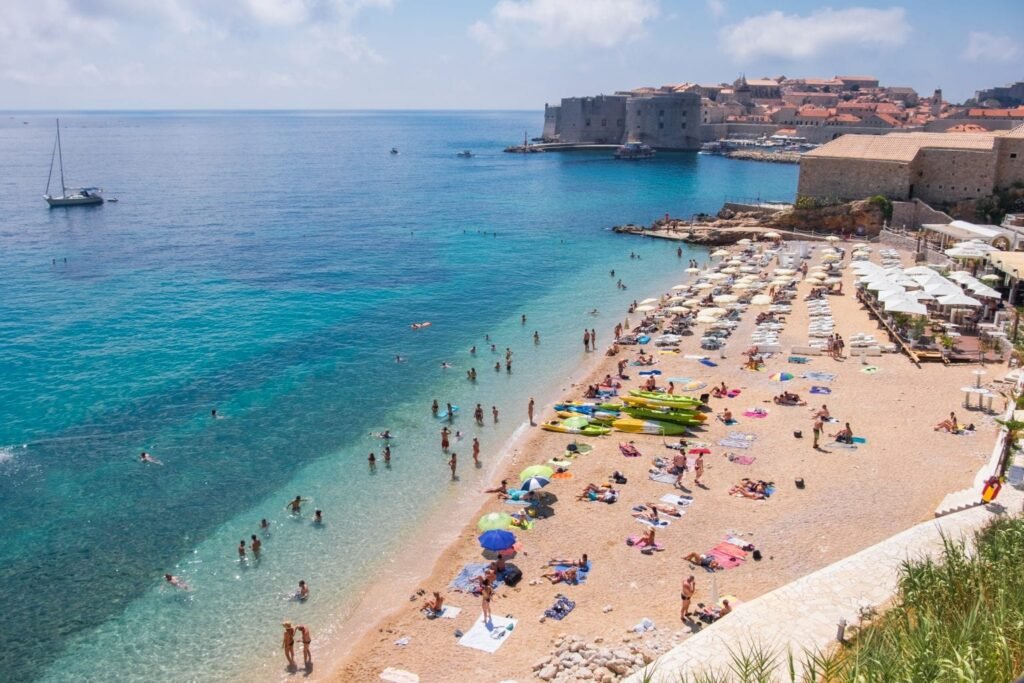
September is one of the strongest choices for a Croatia holiday, particularly if you want to enjoy the coast without the intensity of midsummer. The sea retains much of its summer warmth, daytime temperatures are often comfortable, and the atmosphere becomes more relaxed as the main holiday season winds down.
It’s a lovely time to spend a few days in Split, take a boat trip around the islands, or enjoy dinner outdoors in Dubrovnik. The month also works well for combining coastal stops with countryside visits.
September can be especially appealing to couples and travelers who prefer a slower itinerary. You can spend the morning exploring an old town, swim in the afternoon, and still have time for a leisurely meal without feeling that every attraction is at its busiest.
Early September can remain crowded, and some seasonal services begin reducing their schedules later in the month. If your plans depend on ferries or a particular island restaurant, confirm opening dates before you go.
October: A Quieter Time to Explore
October suits travelers who care more about culture, scenery, and relaxed city breaks than guaranteed beach weather. Temperatures become cooler, rain is more likely, and the coast starts moving toward its quieter season.
Istria is worth considering for its hilltop villages, local food, and autumn atmosphere. Zagreb also works well for museums, cafés, and city walks. If you’re visiting national parks, check current conditions and which walking routes are accessible before setting off.
Swimming may still be possible on warmer days, particularly early in October, but it shouldn’t be the main reason to book your trip. Some island services and seasonal businesses reduce their hours or close as the month progresses.
Travelers comparing destinations for an autumn European trip may also enjoy our article on the best places to visit in Hong Kong for a different seasonal travel experience.
Winter: Best for City Breaks and Lower Prices
Winter is not the usual choice for a beach holiday in Croatia, but it has its own appeal. Coastal resorts become quieter, temperatures drop, and some restaurants, hotels, and boat services operate on reduced schedules.
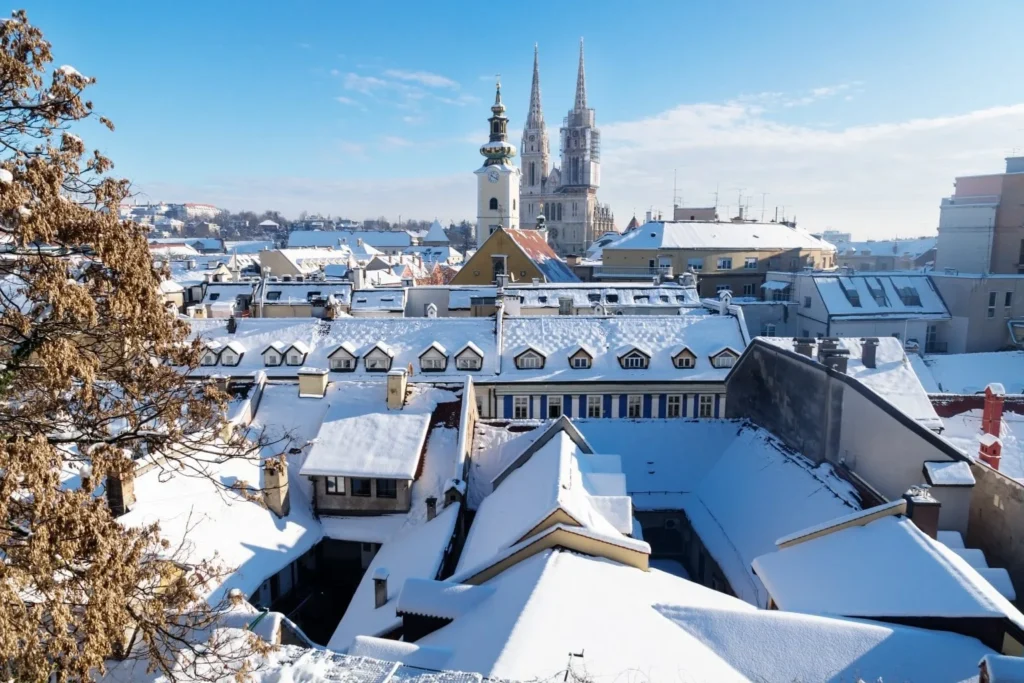
Zagreb is a particularly good option in December, when seasonal decorations and Christmas markets give the city a festive atmosphere. Dubrovnik can also be enjoyable for travelers interested in architecture and history rather than swimming or island-hopping.
Winter travel requires more flexibility. Strong winds can disrupt ferry services, and shorter daylight hours leave less time for outdoor activities. Before traveling, review local forecasts through the Croatian weather service and confirm opening hours for places you want to visit.
Accommodation can cost less outside major holiday periods, but savings vary by destination and dates. Winter works best when you plan a city-focused trip rather than expecting the full summer coastal experience.
What Is the Cheapest Month to Visit Croatia?
November through March can offer lower accommodation prices because demand is generally much lower than in summer. January and February are worth considering for budget-conscious city breaks, although cold weather, rain, and seasonal closures can limit your options.
May and October can be useful alternatives if you want milder conditions without paying peak-season prices. June and September often provide a better balance between weather and costs, while July and August tend to be the most expensive months in popular coastal destinations.
If you’re organizing a longer international trip, practical details matter too. Our guide to the best travel wallets covers a useful accessory for keeping travel documents and payment cards organized.
How to Choose the Right Month for Your Trip
Think about the experience you want rather than choosing a month based on temperature alone.
- For sightseeing: May or September offers a comfortable balance for walking around historic cities.
- For swimming and beaches: June through September is generally the better window, with the warmest water usually in midsummer.
- For island-hopping: June and early September are strong options, but confirm ferry schedules for your specific route.
- For lower prices: Consider the shoulder seasons or winter, depending on how much flexibility you have.
- For Christmas markets and city culture: December is a good time to consider Zagreb.
Before booking, compare accommodation prices for your exact dates and check transport schedules if your itinerary includes several islands. A small amount of planning can make a bigger difference than choosing a month based on weather alone.
Conclusion
The best month to visit Croatia for most travelers is June or September. June brings long days, lively coastal towns, and the start of the summer atmosphere, while September combines warm sea temperatures with a more relaxed pace. May is excellent for sightseeing, July and August suit classic beach holidays, and October is better for quieter exploration.
Choose your dates around the activities that matter most to you, and confirm ferry connections and seasonal opening hours before finalizing your plans.
FAQs
1. What is the best month to visit Croatia for good weather?
June and September are excellent choices for warm weather, outdoor activities, and coastal sightseeing. July and August are generally hotter and busier.
2. Is Croatia expensive in July and August?
These are peak travel months, so hotels, apartments, and some tourist services often cost more. Booking early and traveling in May or September can help manage your budget.
3. Can you swim in Croatia in May or October?
It is possible, especially on warmer days, but the sea is generally cooler than in summer. June through September is a more reliable period for travelers whose main priority is swimming.
