
Botswana safaris offer an unforgettable way to experience Africa’s wildlife, peaceful wilderness, and spectacular natural landscapes. From watching elephants gather beside rivers to exploring wetlands in a traditional canoe, Botswana provides experiences that go beyond a typical wildlife holiday.
- 1. Explore the Okavango Delta
- 2. Watch Elephants in Chobe National Park
- 3. Enjoy a Traditional Mokoro Safari
- 4. Discover Moremi Game Reserve
- 5. Choose the Best Time for Botswana Safaris
- 6. Experience Wildlife Beyond the Big Five
- 7. Find the Right Safari Lodge
- 8. Plan Your Safari Budget
- 9. Prepare for Your Botswana Safari
- Conclusion
- FAQs
The country is particularly famous for the Okavango Delta, Chobe National Park, and its wide-open wilderness areas. Visitors can enjoy guided game drives, boat trips, birdwatching, and stays at safari lodges surrounded by nature.
The Botswana Tourism Organisation highlights the country’s diverse safari experiences, from wildlife viewing to water-based adventures and remote wilderness escapes.
1. Explore the Okavango Delta
The Okavango Delta is one of Botswana’s most remarkable natural attractions. This vast inland delta creates a network of waterways, islands, floodplains, and lagoons that support an impressive range of wildlife.
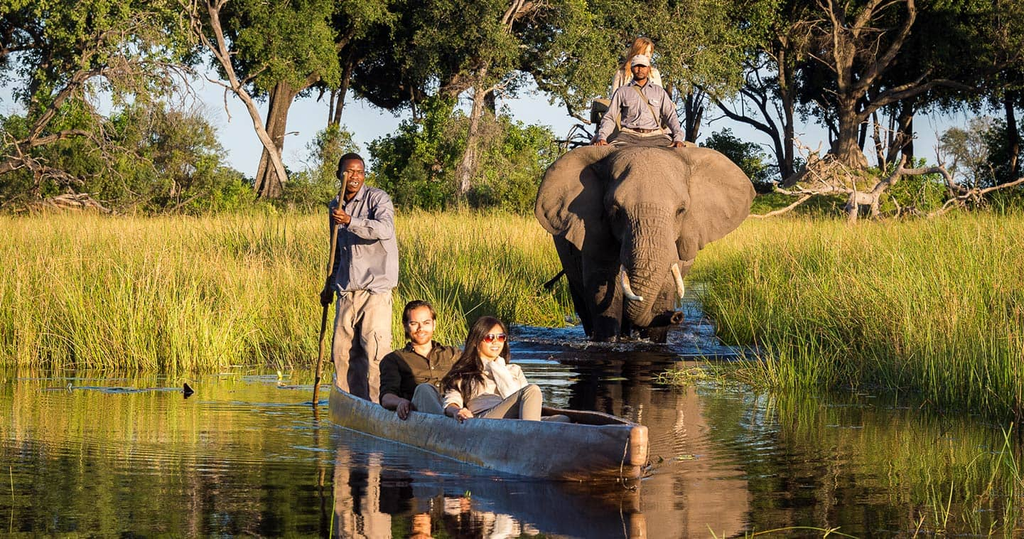
Visitors can explore parts of the Delta by traditional mokoro, a shallow canoe commonly used to navigate calm, shallow channels. Guided trips offer opportunities to observe birds, aquatic habitats, and animals along the water’s edge.
Game drives are another popular activity, particularly in areas where elephants, giraffes, zebras, lions, and other wildlife can be spotted. The experience varies by season and location, making it worth choosing accommodation based on the activities you want to enjoy.
If you want to combine wildlife encounters with quiet scenery, the Okavango Delta is an excellent starting point for planning Botswana safaris.
2. Watch Elephants in Chobe National Park
Chobe National Park is one of Botswana’s best-known wildlife destinations, especially for travelers hoping to see large elephant herds.
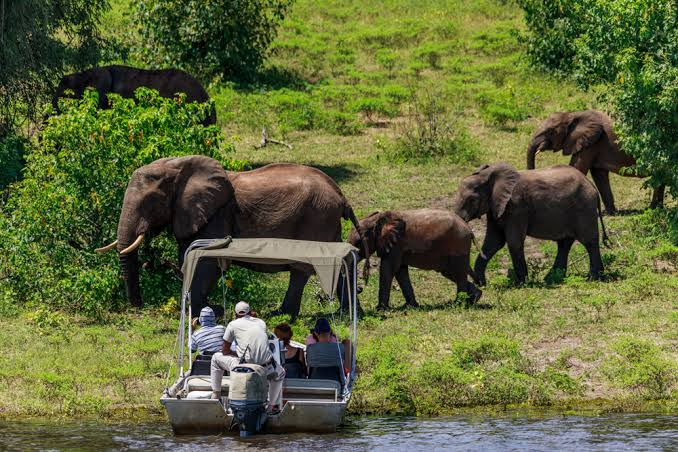
The Chobe River attracts elephants, buffaloes, hippos, crocodiles, and numerous bird species. During the drier months, wildlife often gathers near the river, creating excellent opportunities for observation and photography.
A guided game drive lets you explore the surrounding landscapes, while a river cruise offers a different perspective on the animals. Watching elephants cross the river or gather along the banks can be one of the most memorable parts of the trip.
The Chobe National Park visitor information describes the park’s wildlife-rich riverfront and its varied habitats.
3. Enjoy a Traditional Mokoro Safari
A mokoro safari offers a slower, quieter way to experience Botswana’s wetlands. Rather than traveling in a vehicle, you glide through suitable waterways with an experienced local guide or poler.
This type of excursion is especially popular in the Okavango Delta, where seasonal floodwaters create channels through the landscape. Along the way, you may see waterbirds, reeds, aquatic plants, and wildlife near the banks.
Mokoro trips are not primarily about chasing large animals. Instead, they provide a chance to appreciate the smaller details of the ecosystem and enjoy the sounds of nature.
Water levels vary throughout the year, so confirm that your chosen camp offers mokoro excursions during your travel dates.
4. Discover Moremi Game Reserve
Moremi Game Reserve offers another excellent option for travelers interested in wildlife and varied scenery. Located in the eastern part of the Okavango Delta region, it includes woodland, floodplains, lagoons, and open grassland.
These different habitats support elephants, lions, leopards, antelopes, and many bird species. Guided game drives provide opportunities to look for wildlife while learning about animal behavior and the surrounding environment.
Moremi can be included in a longer safari itinerary alongside the Okavango Delta and Chobe National Park. This combination gives visitors a broader view of Botswana’s landscapes rather than concentrating on one location.
Wildlife sightings are never guaranteed, but traveling with an experienced guide can help you make the most of each outing.
5. Choose the Best Time for Botswana Safaris
The best time for Botswana safaris depends on your priorities. Some travelers prefer dry conditions and concentrated wildlife sightings, while others enjoy greener landscapes, migratory birds, and quieter travel periods.
The dry season generally runs from May to October. During these months, wildlife often gathers around permanent water sources, and thinner vegetation can make animals easier to spot. However, mornings and evenings can be surprisingly cold in June and July.
The wetter months, generally from November to April, bring greener scenery, seasonal rainfall, and opportunities for birdwatching. Some roads may become difficult to navigate, and wildlife can be more spread out.
The Botswana climate guide explains the country’s seasonal weather patterns and temperature differences.
For a broader month-by-month overview, the Botswana safari season guide can help you compare travel periods before choosing your dates.
6. Experience Wildlife Beyond the Big Five
Botswana is often associated with lions, elephants, leopards, buffaloes, and other iconic African animals, but its wildlife experiences extend well beyond these famous species.
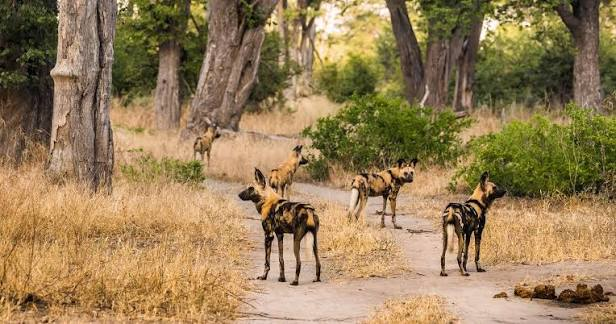
Depending on where you travel, you may encounter giraffes, zebras, hippos, antelopes, hyenas, wild dogs, and a remarkable variety of birds. The country’s different ecosystems create opportunities to observe wildlife in forests, grasslands, wetlands, and desert environments.
Birdwatchers can look for colorful kingfishers, fish eagles, storks, and seasonal migratory species. Photographers may also enjoy capturing landscapes, changing light, and the interactions between animals.
A varied itinerary can make your trip more rewarding, especially if you enjoy observing both large mammals and smaller details of the natural world.
7. Find the Right Safari Lodge
Accommodation is an important part of planning Botswana safaris. Options range from mobile camping trips and simple campsites to comfortable lodges and exclusive safari camps in remote wilderness areas.
Some properties focus on game drives, while others offer boat excursions, walking activities where permitted, or mokoro trips during suitable water conditions. Your location can influence which experiences are available and how much time you spend traveling between activities.
Before booking, compare the lodge’s location, meal arrangements, transportation, included activities, and cancellation policies. Safari packages can differ considerably, so check exactly what the quoted price covers.
If you are comparing accommodation styles for a future trip, ideal places to stay can help you decide which features matter most.
8. Plan Your Safari Budget
Botswana safaris can range from relatively simple camping adventures to high-end experiences with private guides and remote luxury lodges. Your total cost depends on the season, accommodation, transportation, park fees, and activities included.
Remote camps may require light aircraft transfers, which can add significantly to the budget. Self-drive trips may offer more flexibility, but they require careful planning, suitable vehicles, and experience with challenging road conditions in some areas.
When comparing packages, ask whether meals, transfers, park fees, drinks, and guided excursions are included. It is also worth checking whether tips and travel insurance are additional expenses.
Booking well in advance is particularly helpful if you want a specific lodge during the busiest wildlife-viewing months.
9. Prepare for Your Botswana Safari
Packing thoughtfully can make your safari more comfortable. Lightweight neutral-colored clothing, comfortable walking shoes, sun protection, insect repellent, binoculars, and a camera are useful items to consider.
Bring warm layers for early-morning and evening game drives, particularly during the cooler dry-season months. A waterproof jacket can also be helpful during the rainy season.
Before departure, check visa and entry requirements, travel insurance, local transport arrangements, and health advice relevant to your itinerary. If you plan to drive yourself, confirm road conditions, fuel availability, park regulations, and whether your vehicle is suitable for the route.
During wildlife encounters, follow your guide’s instructions and maintain a safe distance from animals. Responsible behavior helps protect both visitors and the wildlife that makes Botswana such a special destination.
For more ideas on planning an experience-filled trip, adventure travel experiences can inspire you to look beyond traditional sightseeing.
Conclusion
Botswana safaris combine exceptional wildlife viewing, beautiful landscapes, and distinctive outdoor experiences. From the waterways of the Okavango Delta to the elephant-rich riverfront of Chobe National Park, the country offers many ways to experience Africa’s natural beauty.
The best itinerary depends on your budget, travel dates, and interests. Compare national parks, choose accommodation near your preferred activities, and allow enough time to enjoy each destination without rushing.
With careful planning and respect for wildlife, Botswana can be an unforgettable destination for a safari holiday.
FAQs
1. What are the best places for Botswana safaris?
The Okavango Delta, Chobe National Park, and Moremi Game Reserve are popular choices. Each offers different landscapes and wildlife experiences, including game drives, boat trips, and seasonal mokoro excursions.
2. What is the best month to visit Botswana for a safari?
May to October is generally popular for wildlife viewing in northern Botswana because animals often gather near permanent water sources. July to September is particularly popular, although the best month depends on your preferred activities and budget.
3. Are Botswana safaris suitable for first-time visitors to Africa?
Yes. First-time visitors can choose guided safari packages that include accommodation, transportation, meals, and wildlife activities. A guided itinerary can simplify logistics and help you explore different destinations with experienced local professionals.
