
If you are looking for a meaningful walking journey through Italy, Camino in Italy offers a beautiful mix of history, nature, culture, and slow travel. One of the best-known routes is the Via Francigena, an ancient pilgrimage route that leads toward Rome through some of Italy’s most beautiful landscapes.
- What Is Camino in Italy?
- Walk Through Tuscany’s Beautiful Countryside
- Explore Lucca Along the Camino
- Stop in San Gimignano
- Spend Time in Siena
- Continue Toward Rome
- Discover Viterbo and Other Historic Towns
- Experience the Final Walk to St Peter’s Square
- Continue South From Rome
- What Should You Pack for Camino in Italy?
- Learn a Few Italian Phrases Before You Go
- When Is the Best Time for Camino in Italy?
- How Long Does the Camino in Italy Take?
- Is Camino in Italy Right for You?
- Conclusion
- FAQs
Unlike a typical sightseeing trip, walking the route gives you time to experience small villages, countryside scenery, historic churches, local food, and quiet moments along the way.
What Is Camino in Italy?
The Via Francigena is one of Italy’s best-known long-distance pilgrimage routes. The historic route connects Canterbury with Rome and continues south through Italy, making it much more than a single walking trail.
The Italian journey includes several different regions and landscapes, while the Tuscan section alone covers almost 400 kilometers across 16 stages. It passes through forests, hills, vineyards, and medieval villages.
Today, travelers do not have to complete the entire route. You can choose a few stages based on your available time, fitness level, and travel interests.
Walk Through Tuscany’s Beautiful Countryside
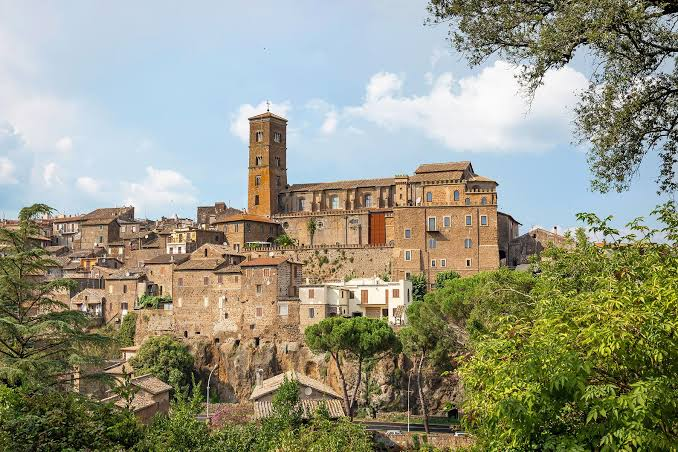
Tuscany is one of the most memorable parts of the Camino in Italy. The route passes through rolling hills, vineyards, forests, medieval villages, and historic towns.
The Via Francigena in Tuscany includes stages from the northern part of the region toward Siena and the Val d’Orcia, giving walkers plenty of options for shorter or longer journeys.
For a shorter trip, you can choose only a few stages instead of attempting the entire Tuscan section.
Explore Lucca Along the Camino
Lucca is an excellent place to experience the historic character of the route. The city is famous for its Renaissance walls, charming streets, churches, and lively piazzas.
One of the Tuscan stages connects Camaiore with Lucca, taking walkers through the Freddana Valley and across the Serchio River before entering the city through the historic San Donato gate.
Spending a night in Lucca also gives you time to explore the city before continuing your walk.
Stop in San Gimignano
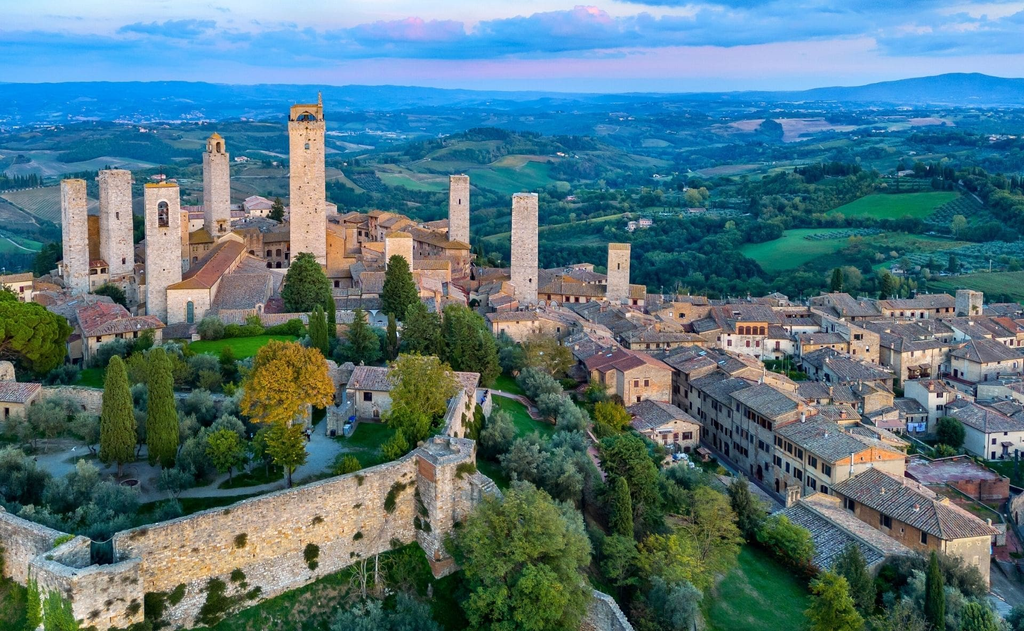
San Gimignano is another memorable stop along the Tuscan route. Known for its medieval towers and historic atmosphere, the town feels very different from Italy’s larger tourist cities.
The countryside around the town is equally appealing. Walking through this area lets you experience vineyards, farmland, and hilltop views rather than simply arriving by car.
Spend Time in Siena
Siena is one of the highlights of the Tuscan section. The route passes through the surrounding countryside, where medieval towns, hills, and quiet landscapes create a peaceful walking environment.
The Via Francigena Tuscany route includes stages connecting San Gimignano, Monteriggioni, Siena, San Quirico d’Orcia, and Radicofani.
If you want a mixture of walking and sightseeing, Siena is a great place to spend an extra night.
Continue Toward Rome
For many pilgrims, reaching Rome is the main goal. After Tuscany, the route continues into Lazio, passing through historic towns and countryside before reaching the Italian capital.
The northern Lazio section stretches from the Tuscany border near Centeno and Proceno to St Peter’s Square in Rome. It covers 196.6 kilometers over nine main stages and passes places such as Bolsena, Viterbo, Sutri, and Campagnano di Roma.
The Via Francigena through Lazio is particularly appealing for travelers who want a combination of nature, history, and traditional villages.
Discover Viterbo and Other Historic Towns
Viterbo is one of the interesting stops on the northern Lazio section. The surrounding route also includes Bolsena, Montefiascone, Vetralla, Sutri, and Campagnano di Roma.
These towns give you opportunities to slow down between longer walking stages and experience medieval streets, local food, churches, and historic architecture.
Experience the Final Walk to St Peter’s Square
Arriving in Rome after days or weeks of walking can be one of the most rewarding moments of the journey.
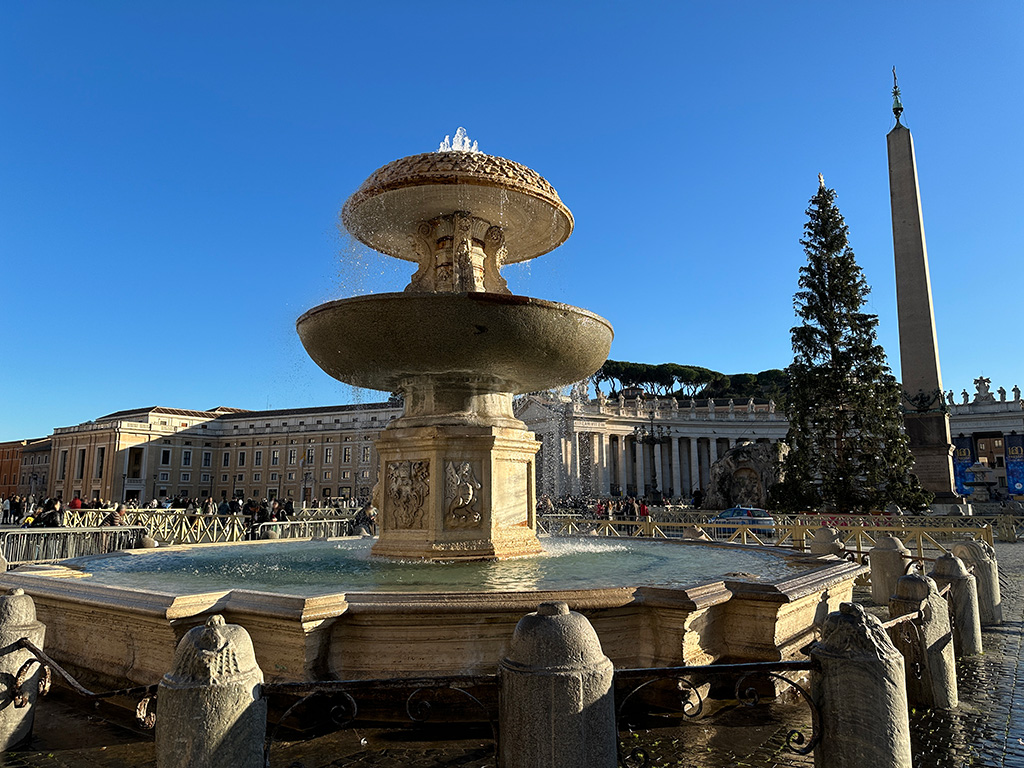
The final stage from La Storta to Rome is about 19.4 kilometers and ends at St Peter’s Square.
For pilgrims, reaching the square can provide a strong sense of achievement. For other travelers, it is simply a memorable way to arrive in one of Europe’s most historic cities.
Continue South From Rome
The Camino does not necessarily have to end in Rome. Travelers who want to continue south can explore the Southern Via Francigena through Lazio.
The southern route passes through historic locations such as Castel Gandolfo, Velletri, Cori, Sermoneta, Terracina, Fondi, and Formia.
The Southern Via Francigena in Lazio follows historic routes toward southern Italy and offers another way to combine walking with history, nature, and local culture.
What Should You Pack for Camino in Italy?
Packing light is one of the most important parts of a long-distance walking trip. Comfortable walking shoes, lightweight clothing, rain protection, a reusable water bottle, sunscreen, and basic first-aid supplies are useful starting points.
Keeping your passport, cards, and cash organized is also important when moving between villages, and a best travel wallet can make those essentials easier to carry.
Try not to overpack. Every extra item becomes noticeable after several hours of walking.
Learn a Few Italian Phrases Before You Go
English is common in many tourist areas, but the Camino takes you through smaller towns where knowing a few simple Italian expressions can make everyday interactions easier.
Phrases for greetings, ordering food, asking for directions, and checking into accommodation can make the journey more comfortable. These common Italian phrases for travel can be especially useful when you are walking through less touristy parts of Italy.
When Is the Best Time for Camino in Italy?
Spring and autumn are generally attractive seasons for long-distance walking because temperatures can be more comfortable than during the hottest part of summer.
However, conditions vary between northern Italy, Tuscany, and Lazio. Check the weather before starting each stage, especially when planning longer walks through rural or elevated areas.
How Long Does the Camino in Italy Take?
There is no single answer because the Via Francigena is made up of many different sections.
Some travelers spend several weeks walking, while others choose only a few stages for a shorter holiday. A Tuscany itinerary can be a good choice for first-time walkers who want a meaningful experience without committing to a much longer journey.
The important thing is to choose stages that match your walking ability rather than trying to cover too much distance each day.
Is Camino in Italy Right for You?
Camino in Italy is a great choice if you enjoy walking, history, countryside, local food, and slower travel.
You do not need to be an experienced long-distance hiker to enjoy the route, but you should prepare for several hours of walking on many stages. The variety is part of the attraction: one day might take you through vineyards and medieval villages, while another brings historic churches, forests, or the streets of Rome.
Conclusion
Camino in Italy is much more than a hiking experience. Following the Via Francigena lets you discover Italy through its landscapes, villages, history, food, and traditions while traveling at a slower pace.
Whether you choose a few stages through Tuscany, walk toward Rome, or continue south, the journey offers a memorable way to experience Italy beyond the usual tourist route.
FAQs
What is the most famous Camino in Italy?
The Via Francigena is one of the best-known pilgrimage routes in Italy, with a historic route leading toward Rome.
Can beginners walk the Camino in Italy?
Yes. Beginners can choose shorter stages and gradually build their walking distance instead of completing the entire route.
How many days do you need for the Via Francigena in Italy?
It depends on your chosen section. A short Tuscany itinerary can take several days, while longer sections toward Rome require considerably more time.
