
Brazil is famous for its beautiful beaches, lively festivals, rainforests, and vibrant cities. From Rio de Janeiro’s coastline to the natural wonders of the Amazon, the country offers plenty of reasons to visit. However, before booking your trip, you should ask an important question: is it safe to travel to Brazil?
- Is It Safe to Travel to Brazil Right Now?
- What Are the Main Safety Risks in Brazil?
- Is Brazil Safe for Tourists Visiting Popular Destinations?
- Is Public Transportation Safe in Brazil?
- Health and Travel Insurance Considerations
- Practical Tips for Staying Safe in Brazil
- Is Brazil Safe for Families and Solo Travelers?
- Final Thoughts
- FAQs
The answer depends on where you’re going, how you plan to travel, and the precautions you take. Brazil welcomes millions of visitors, but crime, scams, and safety concerns in certain areas mean that travelers should plan carefully.
Is It Safe to Travel to Brazil Right Now?
Brazil can be visited by tourists who take appropriate precautions, but it isn’t equally safe everywhere. The U.S. Department of State’s August 2026 advisory recommends increased caution because of crime and kidnapping risks. It also identifies certain areas where travel should be avoided.
You can review the current Brazil travel advisory before deciding where to go. Remember that travel recommendations vary by nationality, so check your own government’s advice as well.
Popular tourist destinations may offer enjoyable experiences, but staying in a busy area doesn’t eliminate every risk. Research your accommodation’s neighborhood, arrange reliable transportation, and understand the local situation before exploring unfamiliar places.
What Are the Main Safety Risks in Brazil?
Understanding common risks can help you make better decisions throughout your trip.
Petty Theft and Street Crime
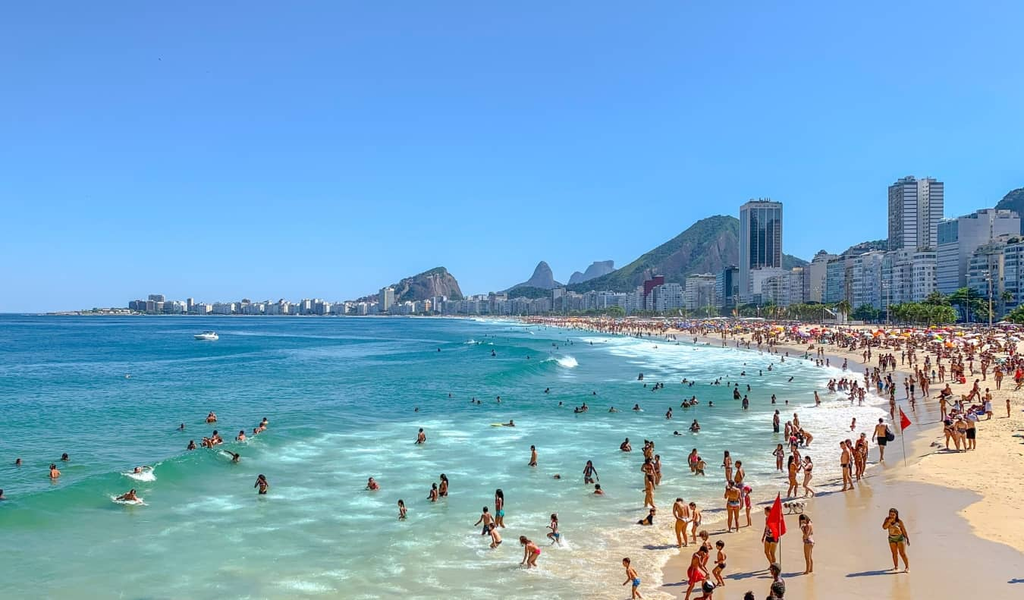
Pickpocketing, phone theft, and bag snatching can happen in busy tourist areas, markets, transport hubs, and beaches. Avoid displaying expensive jewelry, cameras, or phones unnecessarily, especially in crowded places.
Carry only what you need for the day and keep important documents secure. If someone attempts a robbery, prioritize your safety instead of trying to protect your belongings.
Robbery and Kidnapping
Violent crime occurs in some Brazilian cities, and visitors can be targeted. Certain forms of kidnapping and robbery have also been reported, including incidents involving people withdrawing money or meeting strangers.
The UK travel safety advice provides guidance on crime, local security concerns, and precautions for visitors.
Avoid isolated streets, particularly after dark, and use reputable transportation. Be cautious when meeting people from dating apps, and never accept drinks from strangers or leave your drink unattended.
Unsafe Areas
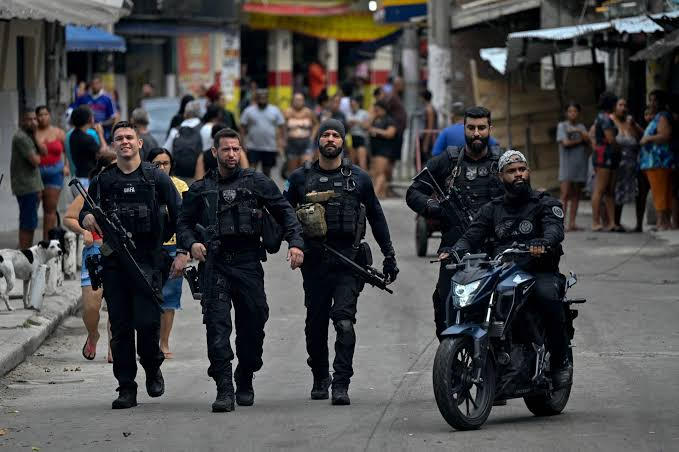
Safety conditions can change from one neighborhood to another. Some informal settlements, commonly called favelas, have serious security risks. The U.S. advisory specifically recommends avoiding these areas.
Don’t assume that a guided tour automatically makes a high-risk location safe. Check current official advice and choose established sightseeing activities instead.
Is Brazil Safe for Tourists Visiting Popular Destinations?
Many visitors travel to Brazil for its famous attractions, but each destination requires some planning.
- Rio de Janeiro: Enjoy the beaches and landmarks while staying aware of your surroundings. Avoid isolated beach areas after dark and keep valuables out of sight.
- São Paulo: Plan journeys in advance, use reliable transportation, and take extra care around ATMs and crowded public spaces.
- Iguazu Falls: Research transport, park arrangements, and accommodation before visiting this popular natural attraction.
- Salvador: Explore cultural sites and local food while checking neighborhood safety and arranging transport for evening outings.
These destinations offer different experiences, so your itinerary should reflect your interests and comfort level. For broader inspiration, you can also explore adventure travel ideas before planning activities.
Is Public Transportation Safe in Brazil?
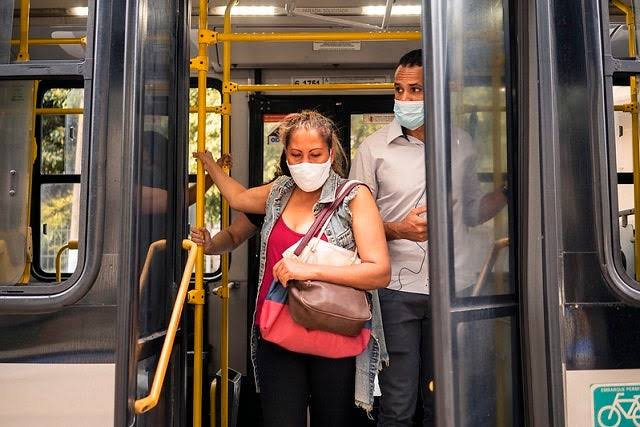
Public transportation can be useful, especially in major cities, but safety varies by route, time, and location. Crowded buses and transport hubs may attract thieves, while some routes have higher risks of robbery.
Use reputable ride-hailing services or licensed taxis when appropriate, particularly at night. Confirm the driver’s details before getting into a vehicle, and avoid accepting rides from strangers.
For longer journeys, research the transport provider, departure point, and arrival arrangements in advance. If you’re unfamiliar with a neighborhood, ask your accommodation for practical local advice rather than relying entirely on a navigation app.
Health and Travel Insurance Considerations
Safety isn’t only about crime. Travelers should also consider healthcare access, medication, food and water precautions, and health risks associated with their planned activities.
Depending on your itinerary, certain vaccinations or preventive measures may be recommended. The CDC Brazil travel health guide provides health information for travelers, including guidance on vaccines and mosquito-borne diseases.
Consider buying travel insurance that covers emergency medical treatment and evacuation where appropriate. Check the policy limits and exclusions before purchasing, especially if you plan to visit remote areas or participate in adventure activities.
Practical Tips for Staying Safe in Brazil
A few sensible habits can help reduce avoidable risks during your visit.
- Keep your phone and valuables out of sight when you’re not using them.
- Avoid walking alone in unfamiliar areas late at night.
- Use ATMs inside secure locations, such as banks or shopping centers.
- Keep digital copies of your passport and essential travel documents.
- Monitor local news and follow instructions from local authorities.
- Stay away from demonstrations and large gatherings if tensions develop.
- Share your itinerary with someone you trust.
- Choose accommodation with good security and convenient transportation.
When choosing accommodation, consider the surrounding neighborhood, transport options, and recent guest feedback. Our guide to choosing places to stay can help you compare accommodation priorities before booking.
Is Brazil Safe for Families and Solo Travelers?
Families can enjoy Brazil’s beaches, wildlife experiences, and cultural attractions, but they should plan activities carefully. Choose family-friendly accommodation, arrange transport in advance, and keep children close in crowded places.
Solo travelers should be particularly careful when going out at night, meeting strangers, or visiting unfamiliar neighborhoods. Let someone know your plans and avoid sharing personal travel details with people you have just met.
No travel style guarantees complete safety. The best approach is to research your destinations, make informed choices, and remain flexible if local conditions change.

Final Thoughts
So, is it safe to travel to Brazil? It can be possible to have an enjoyable trip, but safety depends on the destination, current conditions, and the precautions you take. Crime remains a serious concern in some areas, so travelers should not rely on general reassurances alone.
Check the latest official travel advice, choose accommodation carefully, arrange reliable transport, and prepare for medical or travel emergencies. With realistic expectations and careful planning, you can make a more informed decision about whether Brazil is the right destination for your next trip.
FAQs
1. Is Brazil safe for tourists in 2026?
Brazil remains a destination for international tourists, but official advisories warn about crime and kidnapping risks. Review current guidance for your nationality and the specific places you intend to visit.
2. Is Rio de Janeiro safe for visitors?
Many tourists visit Rio de Janeiro, but theft and violent crime are concerns. Stay aware of your surroundings, avoid isolated areas after dark, and use reliable transportation.
3. What should I avoid doing in Brazil?
Avoid displaying valuables, walking alone in unfamiliar areas at night, entering high-risk neighborhoods without reliable local advice, and accepting drinks or rides from strangers.
