
Semana Santa 2026 took place from March 29 to April 5, bringing religious processions, traditional music, ceremonies, and cultural celebrations to cities across Spain. Holy Week is one of the country’s most important annual traditions, and each destination has its own way of celebrating it.
- 1. When Was Semana Santa 2026?
- 2. Experience the Processions in Seville
- 3. See Málaga’s Unique Celebrations
- 4. Learn About the Traditional Brotherhoods
- 5. Listen to Traditional Semana Santa Music
- 6. Visit Historic Churches and Landmarks
- 7. Plan Your Accommodation Early
- 8. Prepare for Crowds and Street Closures
- 9. Respect the Cultural Atmosphere
- Why Experience Semana Santa?
- Conclusion
- FAQs
From the famous processions of Seville to Málaga’s large-scale celebrations, Semana Santa offers travelers a chance to experience Spanish culture from a different perspective.
1. When Was Semana Santa 2026?
Semana Santa 2026 began on Palm Sunday, March 29, and ended on Easter Sunday, April 5.
The dates change every year because Easter follows the lunar calendar. If you’re planning a future trip around Semana Santa, checking the exact dates before booking flights and accommodation is essential.
The busiest celebrations usually take place during the final days of Holy Week, when major processions fill the streets of many Spanish cities.
2. Experience the Processions in Seville
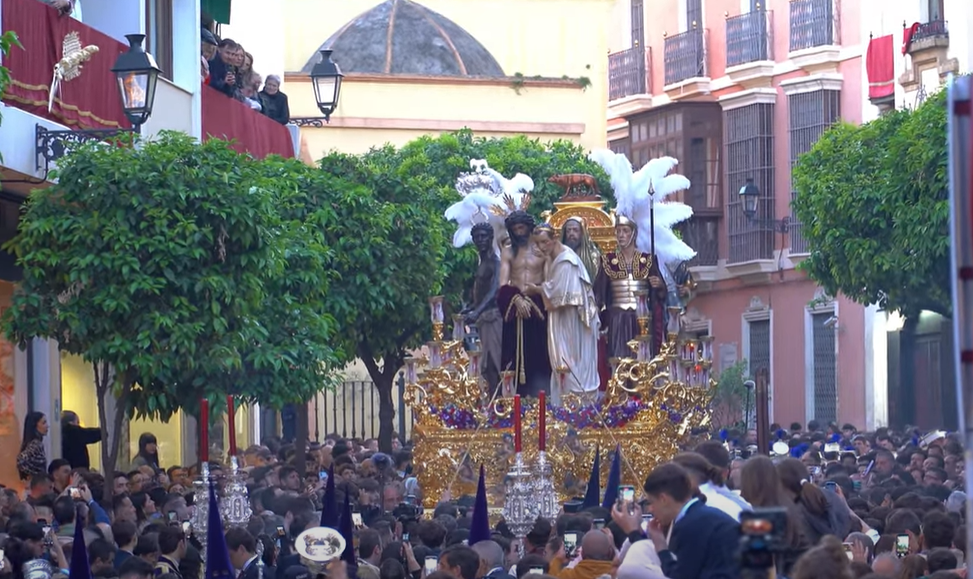
Seville is one of the most famous places to experience Semana Santa. Throughout Holy Week, religious brotherhoods known as hermandades organize processions through the city’s historic streets.
Large religious floats, called pasos, are carried through the streets while participants follow traditional routes. Music from marching bands adds to the atmosphere, particularly during evening processions.
Visitors planning to explore the city during Holy Week can find useful information about Semana Santa in Seville, including local celebrations and city information.
3. See Málaga’s Unique Celebrations
Málaga is another major destination for Semana Santa. The city hosts processions throughout Holy Week, featuring religious brotherhoods, large floats, traditional clothing, and marching bands.
The celebrations are closely connected to Málaga’s history and local culture. Processions pass through the historic center, making it possible to combine sightseeing with the festival atmosphere.
The city’s Holy Week celebrations are also highlighted by Spain’s official tourism website, which provides information about the traditions and events associated with Málaga’s Semana Santa.
4. Learn About the Traditional Brotherhoods
Brotherhoods are central to Semana Santa traditions. These organizations prepare for processions throughout the year and help preserve customs that have been passed down through generations.
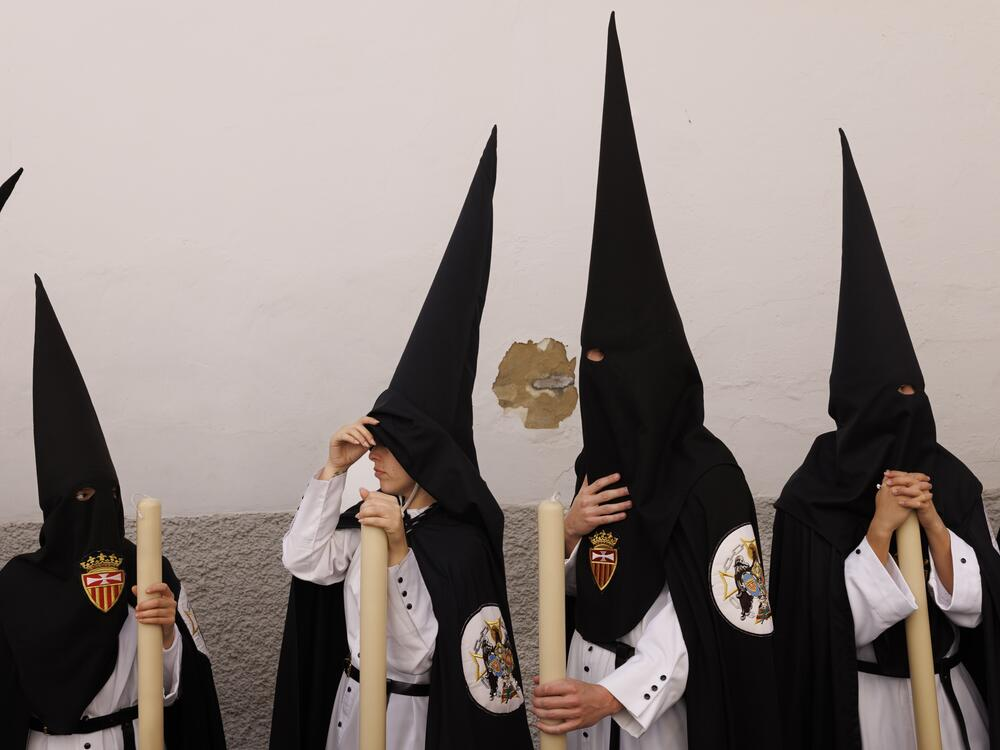
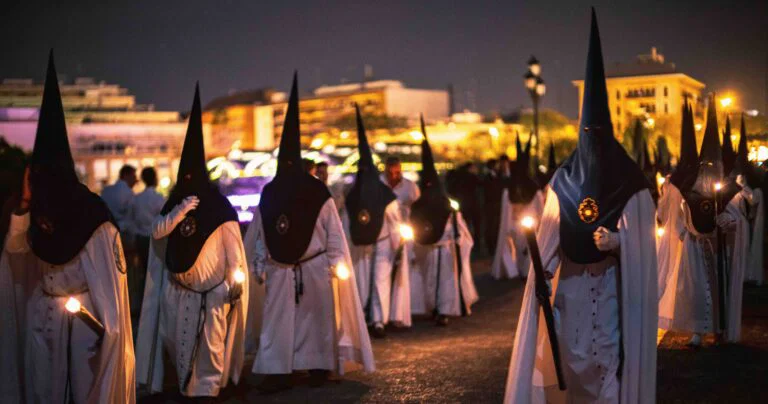
Participants may wear distinctive robes and carry candles, crosses, or other religious symbols. The exact clothing and traditions can differ from one city or brotherhood to another.
For travelers interested in understanding the wider traditions, Holy Week in Spain offers an overview of how different regions celebrate this important period.
5. Listen to Traditional Semana Santa Music
Music is an important part of many Semana Santa processions. Marching bands accompany religious floats as they move slowly through historic streets.
In Seville and other parts of Andalusia, visitors may also hear saetas. These traditional songs are often performed from balconies as processions pass below.
The combination of music, historic architecture, candles, and traditional costumes creates an atmosphere that is very different from a typical sightseeing trip.
6. Visit Historic Churches and Landmarks
Semana Santa is also an excellent time to explore Spain’s historic neighborhoods. Many processions travel through old city centers, passing churches, plazas, and centuries-old streets.
Seville, Málaga, Granada, Córdoba, and other destinations each offer their own combination of architecture and local traditions.
If Italy is also part of your trip, common Italian phrases for travel can help with simple conversations along the way.
7. Plan Your Accommodation Early
Semana Santa can be a busy period for popular Spanish destinations. Hotels close to historic centers and major procession routes may have limited availability, especially during the busiest days.
Booking early gives you more choices when it comes to location, price, and room type. It is also useful to consider public transportation because some streets may close temporarily during processions.
For different accommodation ideas, ideal best places to stay covers options ranging from hotels and resorts to vacation rentals and hostels.
8. Prepare for Crowds and Street Closures
Large Semana Santa celebrations can make city centers extremely busy. Processions may also result in temporary road closures and changes to public transportation.
If you plan to watch a popular procession, arriving early can help you find a comfortable viewing spot. Comfortable shoes are also a good idea because you may spend several hours standing or walking.
Keep your belongings secure in crowded areas and check local announcements if you’re relying on buses, taxis, or other transportation.
9. Respect the Cultural Atmosphere
Although Semana Santa attracts many international visitors, it remains an important religious and cultural tradition.
Travelers should avoid blocking procession routes and should follow instructions from local authorities or event organizers. When taking photographs, it is also important to be considerate of people participating in religious ceremonies.
Understanding the traditions before attending can make the experience more meaningful and help you appreciate what you’re seeing.
Why Experience Semana Santa?
Semana Santa brings together history, religion, music, art, and local traditions. What makes it particularly interesting for travelers is that the experience changes from one destination to another.
Seville may offer a different atmosphere from Málaga, while smaller towns can provide a quieter and more local experience. This variety allows travelers to choose a destination that matches the type of cultural experience they want.
It is also an opportunity to explore historic neighborhoods while they are at the center of one of Spain’s most important annual celebrations.
Conclusion
Semana Santa 2026 gave travelers an opportunity to experience Spain through its religious traditions, historic streets, music, processions, and local culture. Seville and Málaga remain popular choices, but many other destinations across the country offer their own unique celebrations.
Planning ahead is important, especially for accommodation and transportation. With the right preparation and a respectful approach to local traditions, Semana Santa can become a memorable part of a trip to Spain.
FAQs
When was Semana Santa 2026?
Semana Santa 2026 began on March 29 and ended on April 5, with celebrations taking place across Spain throughout Holy Week.
Where is Semana Santa most famous in Spain?
Seville and Málaga are among the most well-known destinations for Semana Santa, although cities and towns throughout Spain have their own traditions and processions.
What happens during Semana Santa?
Semana Santa includes religious processions, traditional music, church ceremonies, cultural events, and local celebrations. The exact experience varies depending on the destination.
