
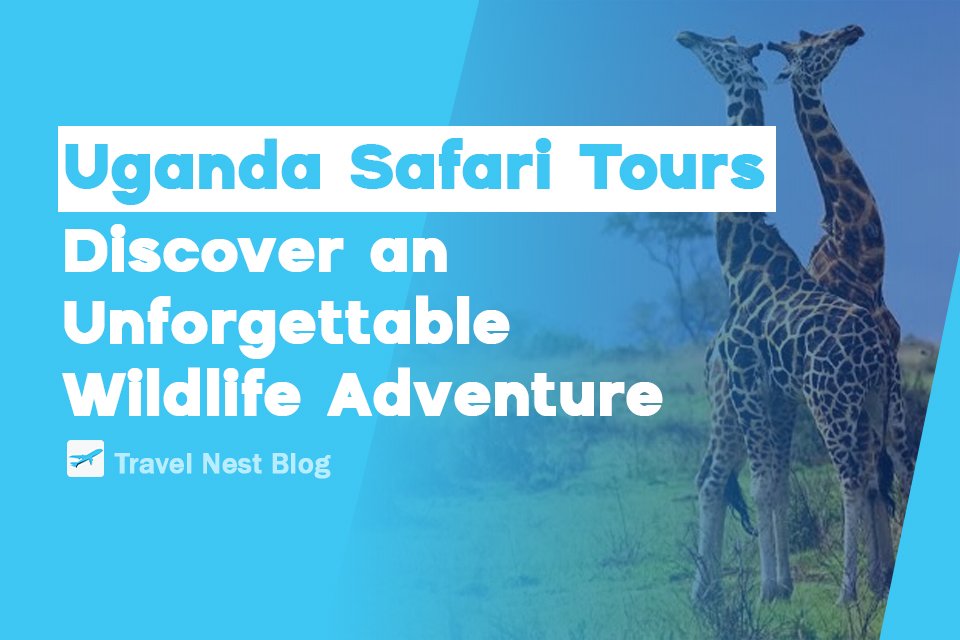
Uganda safari tours offer a different kind of African adventure, combining wildlife encounters, tropical forests, scenic landscapes, and opportunities to see some of the continent’s most remarkable animals. Known as the Pearl of Africa, Uganda attracts travelers looking for more than traditional game drives.
- 1. Experience Mountain Gorilla Trekking
- 2. Enjoy Wildlife Game Drives
- 3. Visit Kibale National Park for Chimpanzee Tracking
- 4. Discover Murchison Falls National Park
- 5. Explore Queen Elizabeth National Park
- 6. Choose the Best Time for Uganda Safari Tours
- 7. Plan Your Safari Accommodation
- 8. Understand Safari Costs and Permits
- 9. Prepare for Your Uganda Safari Adventure
- Conclusion
- FAQs
You can track mountain gorillas through dense forests, watch elephants and lions in national parks, take a boat trip along a river, or explore landscapes filled with birds and other wildlife. The country’s variety makes it appealing to couples, families, photographers, and adventure travelers.
The Uganda Tourism Board highlights experiences ranging from mountain gorilla trekking to outdoor adventures, giving visitors plenty of options when planning their trip.
1. Experience Mountain Gorilla Trekking
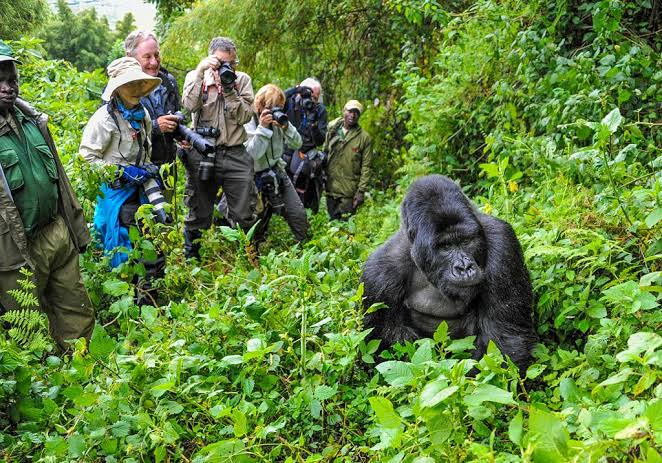
Mountain gorilla trekking is one of the main reasons travelers choose Uganda. In Bwindi Impenetrable National Park, visitors can join guided treks through forested terrain to observe mountain gorillas in their natural habitat.
The experience can involve steep trails, muddy paths, and several hours of hiking, depending on where the gorillas are located that day. However, seeing a gorilla family up close can be a memorable highlight of an African safari.
Bwindi is also recognized as a UNESCO World Heritage Site because of its exceptional biodiversity and importance for mountain gorilla conservation. The UNESCO site profile provides further information about the park’s natural significance.
Gorilla trekking requires advance planning, including securing the appropriate permit. Because permits are limited, it is wise to arrange this part of your trip well before your intended travel dates.
2. Enjoy Wildlife Game Drives
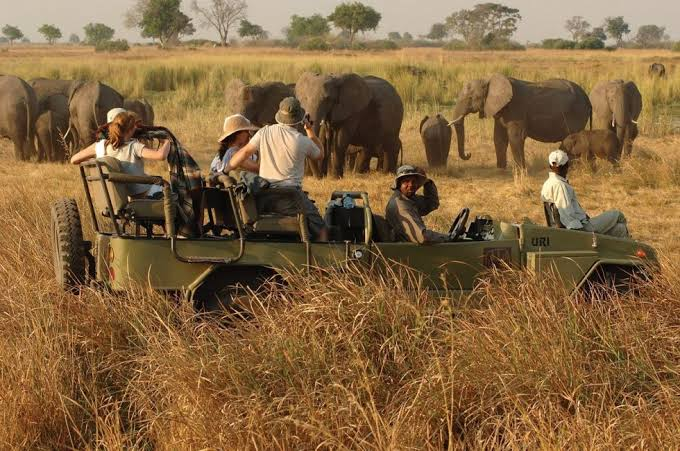
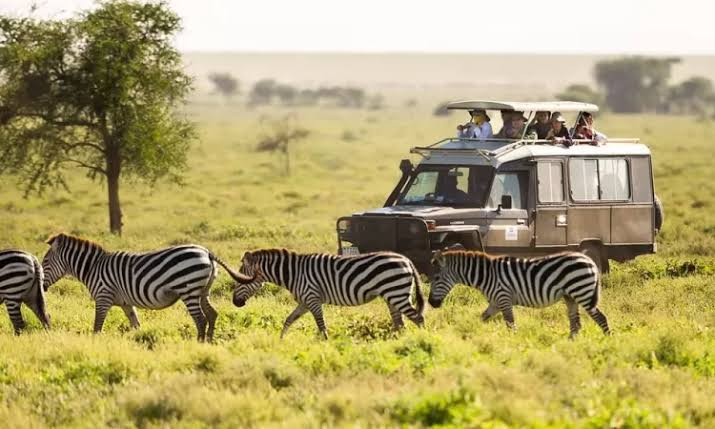
If you want to see a variety of African wildlife, game drives are an essential part of many Uganda safari tours.
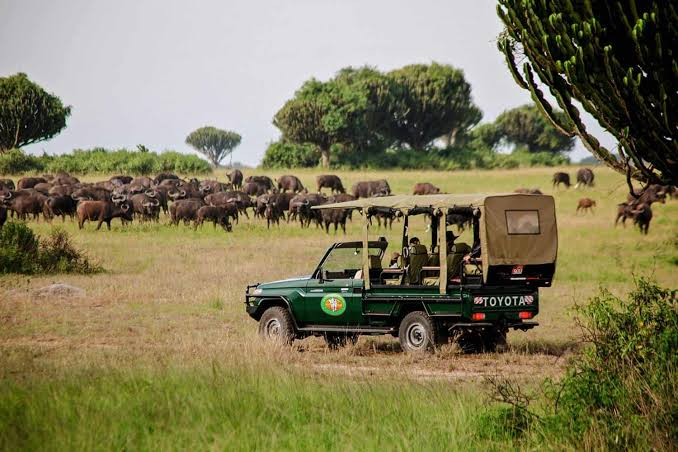
Queen Elizabeth National Park is known for its diverse habitats and wildlife, including elephants, buffaloes, antelopes, and lions. Guided drives give visitors opportunities to look for animals while learning about their behavior and the ecosystems they inhabit.
Murchison Falls National Park is another popular destination. Its savannah landscapes support a variety of wildlife, and the park is famous for the Nile River passing through a narrow gorge before plunging over the falls.
Wildlife sightings are never guaranteed, so patience and a knowledgeable guide can make a significant difference. Choosing a safari that includes more than one park can also help you experience different landscapes and animal species.
3. Visit Kibale National Park for Chimpanzee Tracking
Uganda is not only known for gorillas. Kibale National Park is another major attraction for travelers interested in primates.
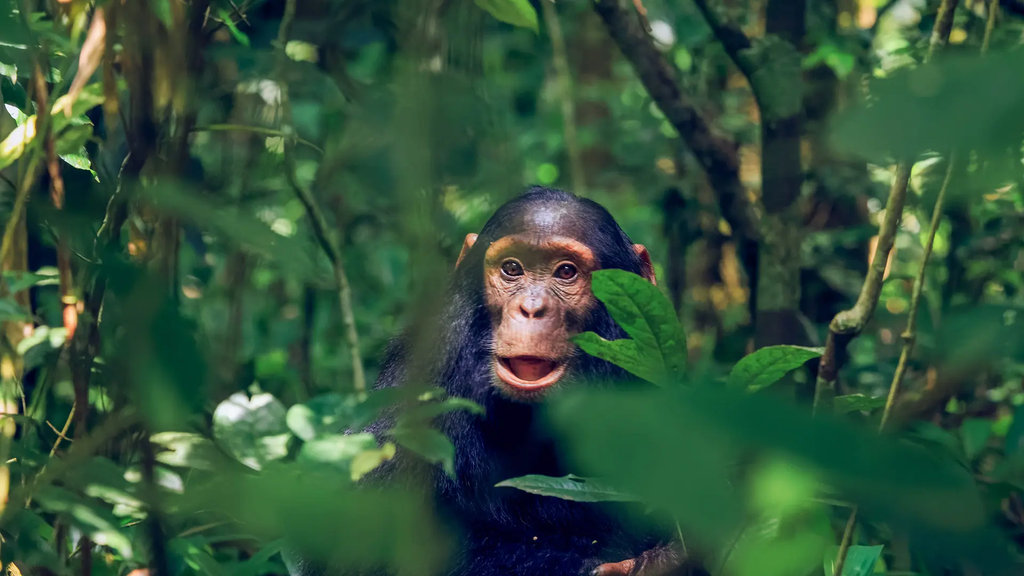
Guided chimpanzee tracking takes visitors into the forest to look for wild chimpanzees. Along the way, you may hear calls echoing through the trees and observe other forest wildlife, depending on the conditions.
Chimpanzees are active animals, and their movements can make each trek different. Following the instructions of your guide helps protect both visitors and the animals.
If you are especially interested in primates, consider combining Kibale with Bwindi. This creates an itinerary that includes two distinctive wildlife experiences rather than focusing on only one activity.
4. Discover Murchison Falls National Park
Murchison Falls National Park combines wildlife viewing with some of Uganda’s most dramatic scenery. Its open landscapes, river habitats, and famous waterfall make it a strong choice for travelers who want variety during their safari.
A boat trip along the Nile can provide a different perspective on the park. Visitors may spot hippos, crocodiles, elephants near the riverbanks, and numerous bird species.
Game drives offer another opportunity to search for wildlife across the savannah. Combining a drive with a boat excursion can help you experience different parts of the park during the same visit.
Because travel distances between Uganda’s parks can be substantial, allow enough time for transfers instead of trying to fit too many destinations into a short itinerary.
5. Explore Queen Elizabeth National Park
Queen Elizabeth National Park is a popular stop for travelers who want a mix of wildlife, scenery, and guided outdoor activities.
The park includes savannah, wetlands, forests, and crater lakes. Its variety of habitats supports elephants, buffaloes, antelopes, hippos, and many bird species.
The Ishasha sector is particularly known for reports of tree-climbing lions, although sightings are not guaranteed. The Kazinga Channel is another highlight, offering boat excursions where visitors can look for hippos, waterbirds, and other wildlife.
A stay near the park can make it easier to arrange early morning game drives and afternoon activities without rushing between distant destinations.
6. Choose the Best Time for Uganda Safari Tours
Uganda can be visited throughout much of the year, but weather conditions may influence the type of safari you enjoy.
The relatively drier periods are often preferred for gorilla trekking and game drives because trails may be easier to navigate. However, rain can occur even during these months, particularly in forested regions.
| Travel Period | What to Expect |
| June to August | Often favorable for wildlife viewing and gorilla trekking, with relatively drier conditions |
| December to February | Another popular period for outdoor activities and wildlife experiences |
| March to May | Wetter conditions may make some forest trails muddy |
| September to November | Rainfall can affect trekking conditions, although travel remains possible |
These are general seasonal patterns, not guarantees. Conditions vary by region and year, so check local forecasts and park guidance before booking.
For a more comfortable experience, consider your preferred activities first. Gorilla trekking may require different preparation from a relaxed game-drive safari.
7. Plan Your Safari Accommodation
Accommodation can shape your entire safari experience. Uganda offers options ranging from simple guesthouses and campsites to comfortable safari lodges and higher-end properties near national parks.
Staying close to your planned activities can reduce early-morning travel and give you more time for wildlife viewing. Some lodges also offer meals, guided activities, and transport arrangements, depending on the package.
Before booking, compare the location, included meals, transfer arrangements, room facilities, and cancellation policies. A lower nightly rate may not be the best value if it means additional transportation costs.
If you are comparing different accommodation styles, this overview of ideal places to stay can help you think about which features matter most for your trip.
8. Understand Safari Costs and Permits
The cost of Uganda safari tours depends on several factors, including trip length, accommodation, transportation, park entry fees, guide services, and the activities you choose.
Gorilla trekking generally requires a separate permit, while other parks and activities may have their own fees. Prices can also vary depending on whether you join a group tour or arrange a private safari.
Before paying a deposit, ask for a clear breakdown of what the package includes. Check whether airport transfers, meals, park fees, permits, and local transportation are covered.
You can also consult the Uganda Wildlife Authority for official information about protected areas, conservation, and park activities. Confirm current permit prices and booking procedures directly with the relevant authority or a reputable, appropriately licensed tour operator.
9. Prepare for Your Uganda Safari Adventure
A little preparation can make your safari more comfortable. Lightweight clothing, comfortable walking shoes, a waterproof jacket, insect repellent, sun protection, and binoculars are useful items to consider.
For gorilla trekking, sturdy hiking boots and clothing suitable for muddy forest trails are especially helpful. A small backpack can carry water, snacks where permitted, and other essentials for the trek.
It is also worth checking entry requirements, recommended vaccinations, travel insurance, and any health advice relevant to your itinerary before departure.
Travelers should respect wildlife, follow their guides’ instructions, and avoid disturbing animals for photographs. Responsible behavior helps protect Uganda’s natural environments and supports sustainable tourism.
For more ideas on planning an experience-filled trip, adventure travel inspiration can help you think beyond traditional sightseeing.
Conclusion
Uganda safari tours combine mountain gorilla trekking, chimpanzee tracking, wildlife game drives, river excursions, and remarkable natural scenery. From the forests of Bwindi and Kibale to the savannahs of Murchison Falls and Queen Elizabeth National Park, the country offers a wide range of experiences for wildlife lovers.
The best itinerary depends on your interests, budget, available time, and preferred level of comfort. Compare parks, arrange permits early, and choose accommodation that suits your planned activities.
With thoughtful planning and respect for wildlife, a safari in Uganda can become a memorable way to experience the natural beauty of East Africa.
FAQs
1. What are the best places for Uganda safari tours?
Popular destinations include Bwindi Impenetrable National Park for mountain gorilla trekking, Kibale National Park for chimpanzee tracking, and Queen Elizabeth and Murchison Falls national parks for wildlife viewing and game drives.
2. How many days do you need for a Uganda safari?
A short safari may take three to five days, while a trip covering several national parks and primate experiences may need seven to ten days or longer. The right duration depends on your itinerary and travel pace.
3. Do I need a permit for gorilla trekking in Uganda?
Yes. Gorilla trekking requires an authorized permit, and availability is limited. Arrange it in advance and verify current prices and booking requirements before confirming your travel plans.
