

Choosing where to stay in New Orleans can make a big difference to your trip. Known for jazz music, historic architecture, Creole food, and lively nightlife, the city offers a range of neighborhoods, each with its own atmosphere. Some put you close to famous attractions, while others offer quieter streets, local restaurants, and historic homes.
- Best Areas to Stay in New Orleans
- 1. French Quarter: Best for First-Time Visitors
- 2. Central Business District: Best for Convenience
- 3. Garden District: Best for a Relaxed Stay
- 4. Warehouse Arts District: Best for Museums and Dining
- 5. Faubourg Marigny: Best for Live Music
- How to Choose the Right Hotel
- When Should You Book a Stay in New Orleans?
- Final Thoughts
- FAQs
Whether you’re planning a romantic weekend, a family vacation, or a trip focused on music and food, choosing the right neighborhood can help you make the most of your time in New Orleans.
Best Areas to Stay in New Orleans
New Orleans has several neighborhoods worth considering. Your ideal location depends on your budget, preferred activities, and how close you want to be to restaurants, attractions, and nightlife.
| Neighborhood | Best For | Atmosphere |
| French Quarter | First-time visitors | Historic and lively |
| Central Business District | Business trips and convenience | Modern and central |
| Garden District | Couples and relaxed stays | Scenic and residential |
| Warehouse Arts District | Museums and dining | Cultural and trendy |
| Faubourg Marigny | Live music and nightlife | Creative and energetic |
1. French Quarter: Best for First-Time Visitors
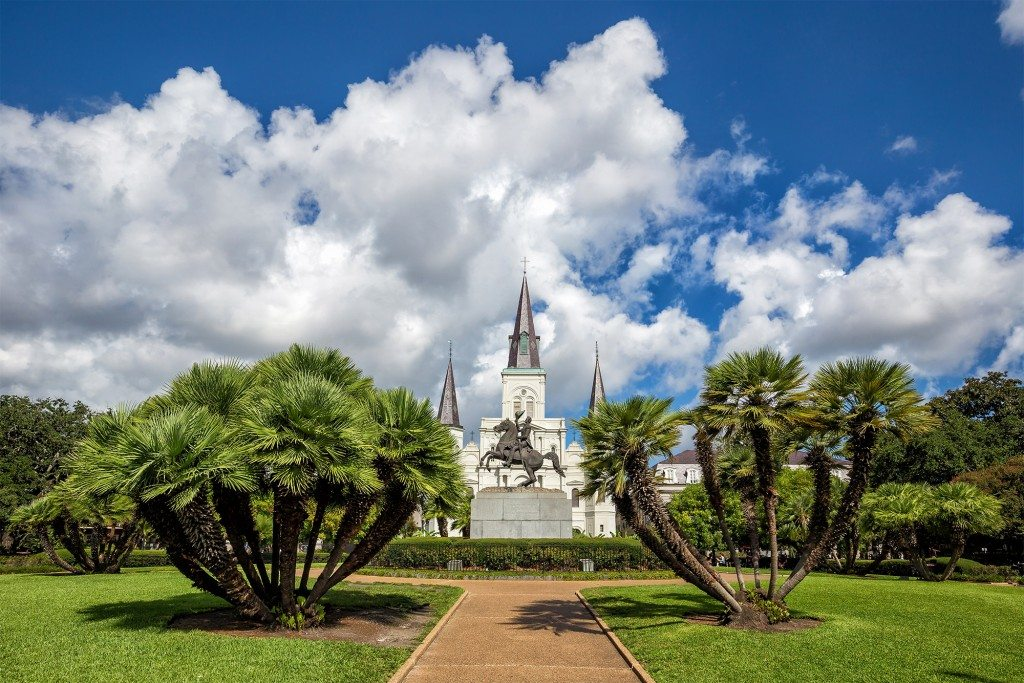
The French Quarter is one of the most popular places to stay in New Orleans, especially if it’s your first visit. Its historic buildings, wrought-iron balconies, restaurants, and music venues give the neighborhood its distinctive character.
You can spend the day exploring Jackson Square, visiting St. Louis Cathedral, and browsing the shops along Royal Street. Bourbon Street is nearby if you want to experience the city’s nightlife, although the surrounding streets can be much quieter.
The neighborhood’s historic streets and landmarks make it easy to combine sightseeing with dining and entertainment.
Things to consider: Hotels in the busiest parts of the French Quarter can be expensive during major festivals. Street noise is another factor, so consider a hotel on a quieter street if you prefer peaceful evenings.
2. Central Business District: Best for Convenience
The Central Business District, often called the CBD, is a practical option for travelers who want a central location without staying directly in the busiest nightlife areas.
The neighborhood has larger hotels, restaurants, office buildings, and convenient access to Canal Street and downtown attractions. Depending on where you stay, you can walk to parts of the French Quarter or use public transportation to reach other areas.
The CBD can be especially useful for business travelers and visitors who want comfortable accommodation with easy access to different parts of the city. Compare hotel prices carefully, as rates vary by property and travel dates.

3. Garden District: Best for a Relaxed Stay
If you prefer leafy streets and historic homes over crowded nightlife, the Garden District is worth considering. Its grand houses, mature oak trees, and attractive residential streets create a different atmosphere from the city center.
Magazine Street is a favorite place to browse independent shops, cafés, and restaurants. You can also admire the neighborhood’s architecture or take the St. Charles streetcar toward other parts of New Orleans.
A walk through the Garden District gives you a chance to appreciate the area’s historic character at a slower pace.
This neighborhood suits couples and travelers who want somewhere quieter to return to after sightseeing. However, allow extra travel time if most of your plans are in the French Quarter.

4. Warehouse Arts District: Best for Museums and Dining
The Warehouse Arts District offers a more contemporary side of New Orleans. Former industrial buildings now sit alongside art galleries, museums, restaurants, and modern hotels.
The National WWII Museum and Ogden Museum of Southern Art are popular attractions in the area. You can spend the afternoon exploring exhibitions before heading to a nearby restaurant for dinner.
This neighborhood is a good choice for travelers who enjoy art and culture but don’t necessarily want to stay near Bourbon Street. Accommodation ranges from boutique properties to familiar hotel brands, with options for different budgets.
5. Faubourg Marigny: Best for Live Music
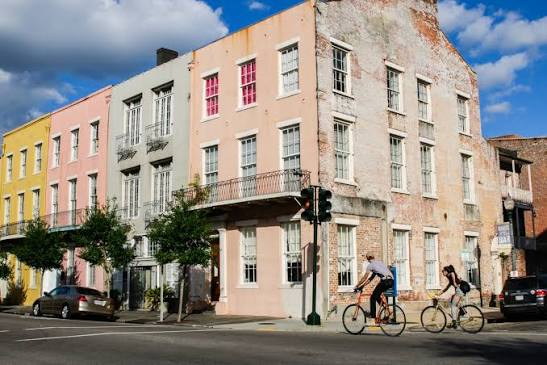
Faubourg Marigny sits just beyond the French Quarter and is known for colorful homes, neighborhood restaurants, and live music. Frenchmen Street is particularly popular for its music venues, where visitors can experience jazz and other local sounds.
The area has a creative, neighborhood feel, although streets close to popular bars can remain lively late into the evening.
Music lovers and repeat visitors may enjoy staying here because it offers a different perspective on New Orleans. If you’re a light sleeper, check your accommodation’s exact location and recent guest reviews before booking.

How to Choose the Right Hotel
Once you’ve selected a neighborhood, compare individual hotels rather than booking based on location alone. Two properties in the same area can offer very different experiences.
Keep these factors in mind:
- Location: Check walking distances to the attractions you plan to visit.
- Budget: Compare the total cost, including taxes, fees, and parking.
- Noise: Read recent reviews about nightlife and street noise.
- Transportation: Look for convenient streetcar stops and other transport options.
- Amenities: Decide whether you need breakfast, a pool, a gym, or accessible facilities.
- Cancellation policy: Choose a booking option that suits your plans.
If you’re comparing different accommodation styles, this guide to finding the right place to stay can help you think about location, comfort, and practical amenities.
When Should You Book a Stay in New Orleans?
Travel dates can affect hotel prices and availability. Mardi Gras, major festivals, conventions, and holiday periods can make popular neighborhoods more expensive, so booking early is sensible if your dates are fixed.
For a quieter trip, compare dates outside major events and see whether weekday stays offer better value. It’s also worth checking the weather when planning outdoor activities, as New Orleans can be hot and humid during summer.
If you’re visiting for a specific event, consider how you’ll get back to your hotel at night. A convenient location can save time and make your stay more comfortable.
Final Thoughts
The best answer to where to stay in New Orleans depends on the experience you want. The French Quarter is convenient for first-time visitors, the CBD offers central access, and the Garden District provides a more relaxed setting. The Warehouse Arts District suits museum lovers, while Faubourg Marigny is a strong option for travelers interested in live music.
Compare neighborhoods, hotel prices, transportation, and recent guest reviews before booking. Choosing the right base will make it easier to enjoy New Orleans’ food, music, architecture, and culture.
FAQs
1. What is the best area to stay in New Orleans for first-time visitors?
The French Quarter is a popular choice because of its historic attractions, restaurants, and nightlife. The CBD is another practical option for travelers who prefer larger hotels and a central location.
2. Where should couples stay in New Orleans?
The Garden District can suit couples who enjoy historic architecture and quieter streets. The French Quarter may be a better fit for couples who want restaurants, music, and attractions nearby.
3. Is it better to stay in the French Quarter or the Garden District?
Choose the French Quarter for convenient sightseeing and nightlife. The Garden District is better suited to travelers who prefer a more relaxed atmosphere and historic homes.
