
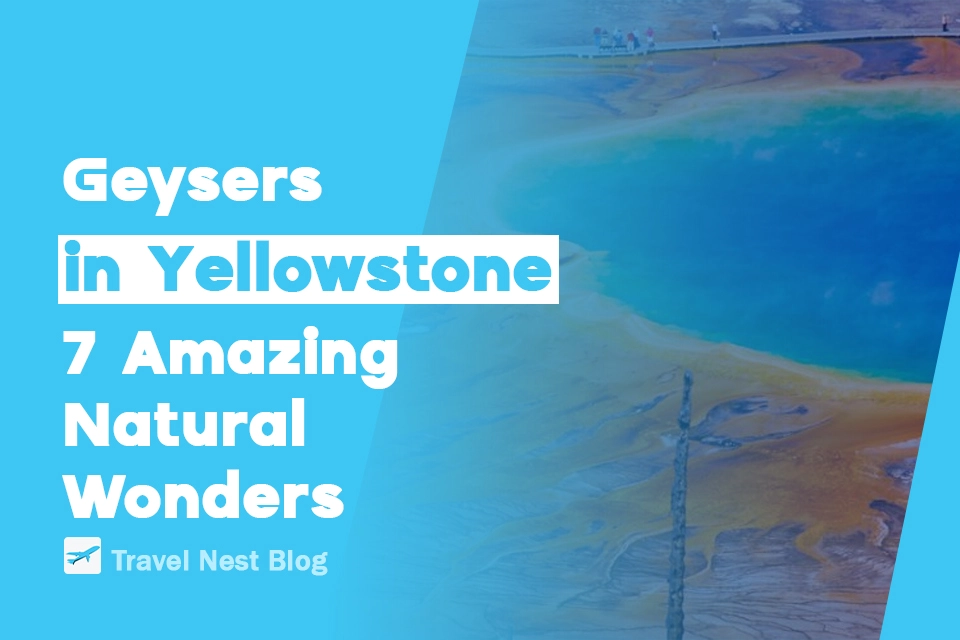
The geysers in Yellowstone are among the most fascinating natural attractions in the United States. Located in Yellowstone National Park, these geothermal features shoot hot water and steam into the air, creating spectacular displays against the park’s forests, rivers, and mountain scenery.
- 1. Old Faithful: Yellowstone’s Most Famous Geyser
- 2. Grand Geyser: A Powerful Natural Display
- 3. Steamboat Geyser: The World’s Tallest Active Geyser
- 4. Castle Geyser: An Unusual Natural Formation
- 5. Grand Prismatic Spring: A Colorful Geothermal Wonder
- 6. Riverside Geyser: A Beautiful Eruption Near the River
- 7. Great Fountain Geyser: A Spectacular Lower Geyser Basin Stop
- Quick Comparison of the Best Geysers in Yellowstone
- How to Plan a Visit to Yellowstone’s Geysers
- Important Safety Tips for Visiting Geysers in Yellowstone
- Final Thoughts
- FAQs
Yellowstone contains more than 500 geysers, making it home to the world’s largest concentration of these natural features. The park also has hot springs, mudpots, and steam vents. These hydrothermal features reveal the volcanic activity beneath the surface and make Yellowstone a remarkable destination for nature lovers.
Whether you’re planning a family vacation, a photography trip, or an outdoor adventure, the park offers plenty of opportunities to experience these natural wonders.
1. Old Faithful: Yellowstone’s Most Famous Geyser
Old Faithful is usually the first attraction people think of when discussing geysers in Yellowstone. It is famous for its relatively predictable eruptions, making it easier for visitors to plan when to watch.
The geyser typically erupts about every 90 minutes, although the interval varies. Its powerful bursts can reach approximately 100 to 180 feet, and an eruption generally lasts several minutes.
Visitors can watch from designated viewing areas or explore the nearby boardwalks. The Old Faithful area also has visitor facilities, walking routes, and other geothermal attractions.
Arrive early during busy periods to find parking and a comfortable viewing spot. Checking the latest eruption predictions before heading out can also help you plan your visit.
2. Grand Geyser: A Powerful Natural Display
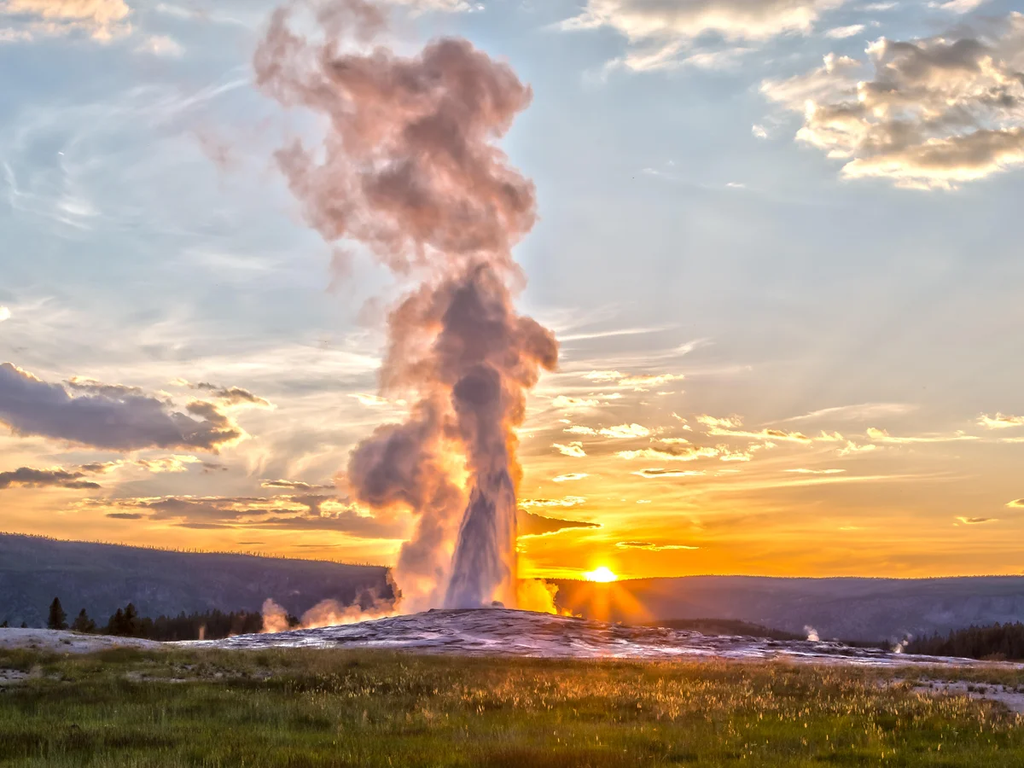
Grand Geyser is another impressive stop in the Upper Geyser Basin. It is known for its tall eruptions, which can rise higher than those of Old Faithful under the right conditions.
Unlike Old Faithful, Grand Geyser has longer and less predictable intervals between eruptions. Visitors may need patience if they hope to see it erupt, so it’s best to enjoy the surrounding landscape rather than wait around with a fixed schedule.
Several other geysers and colorful hot springs are located along the basin’s walking routes. If you enjoy exploring remarkable outdoor destinations, this adventure travel inspiration can help you plan other memorable experiences beyond Yellowstone.
3. Steamboat Geyser: The World’s Tallest Active Geyser
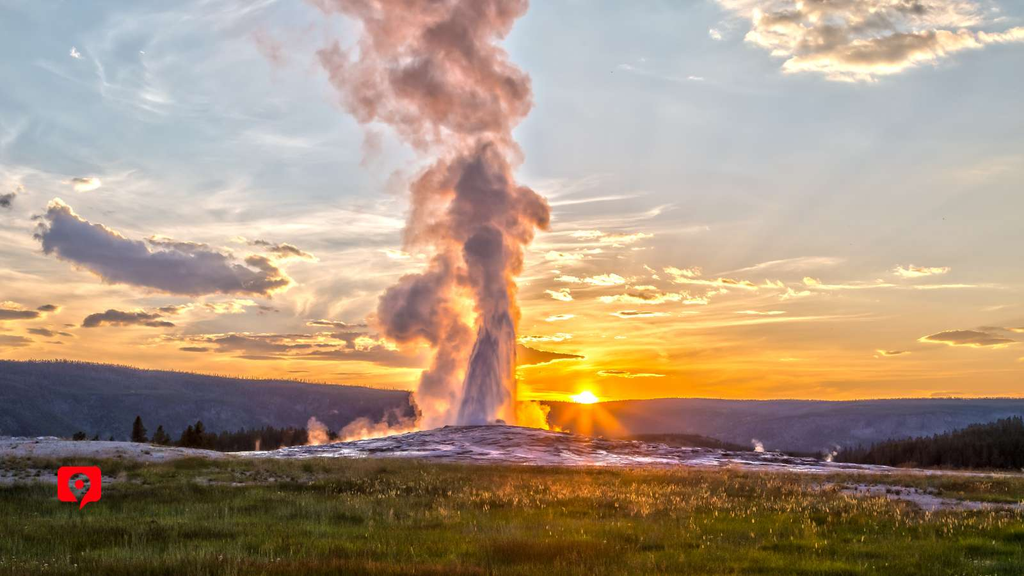
Steamboat Geyser, located in Norris Geyser Basin, is famous for its powerful major eruptions. During a major eruption, it can send water more than 300 feet into the air, making it one of Yellowstone’s most dramatic geothermal sights.
However, major eruptions are unpredictable and can be separated by long periods. Visitors shouldn’t plan their entire trip around witnessing one.
Even when Steamboat is quiet, Norris Geyser Basin is worth exploring. The area features steaming vents, unusual mineral deposits, and other geothermal features that create a landscape unlike anywhere else.
Stay on marked trails and check current park notices before visiting.
4. Castle Geyser: An Unusual Natural Formation
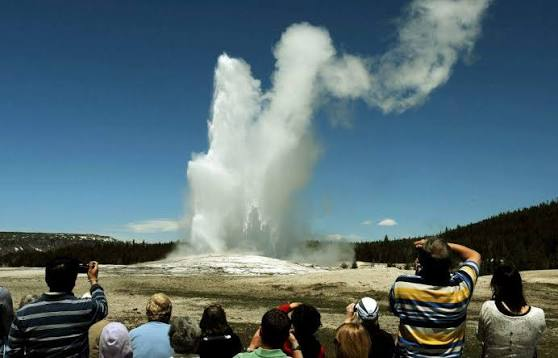
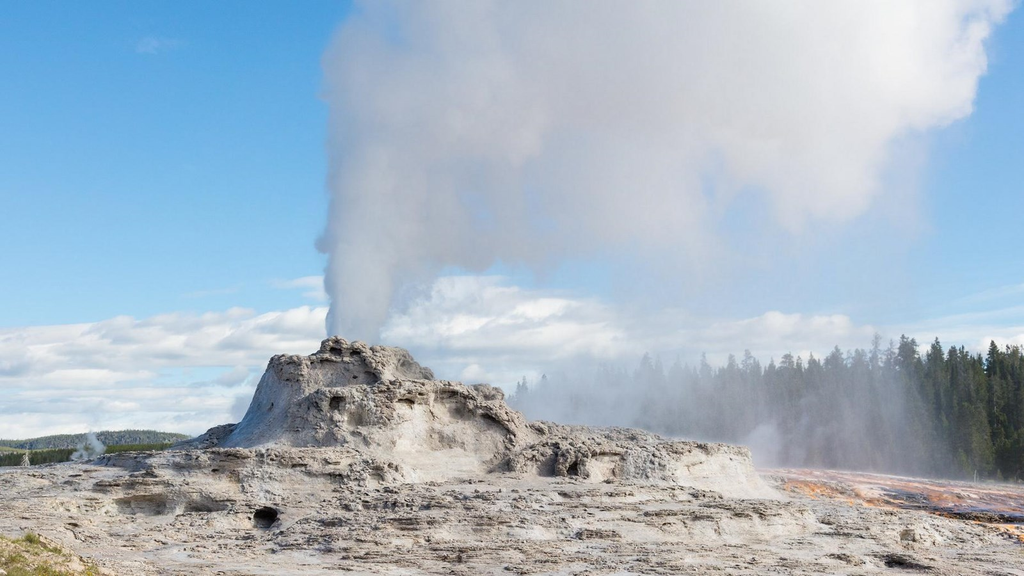
Castle Geyser stands out because of its large, cone-shaped formation. Built up over time by mineral deposits, the structure resembles the ruins of a small stone castle.
Its eruptions can include a water phase followed by a longer release of steam. The timing varies, although park staff may provide predictions when conditions allow.
Castle Geyser is located in the Upper Geyser Basin, so you can combine a visit with Old Faithful and other nearby attractions. Comfortable walking shoes are useful because exploring the area involves spending time on paths and boardwalks.
5. Grand Prismatic Spring: A Colorful Geothermal Wonder
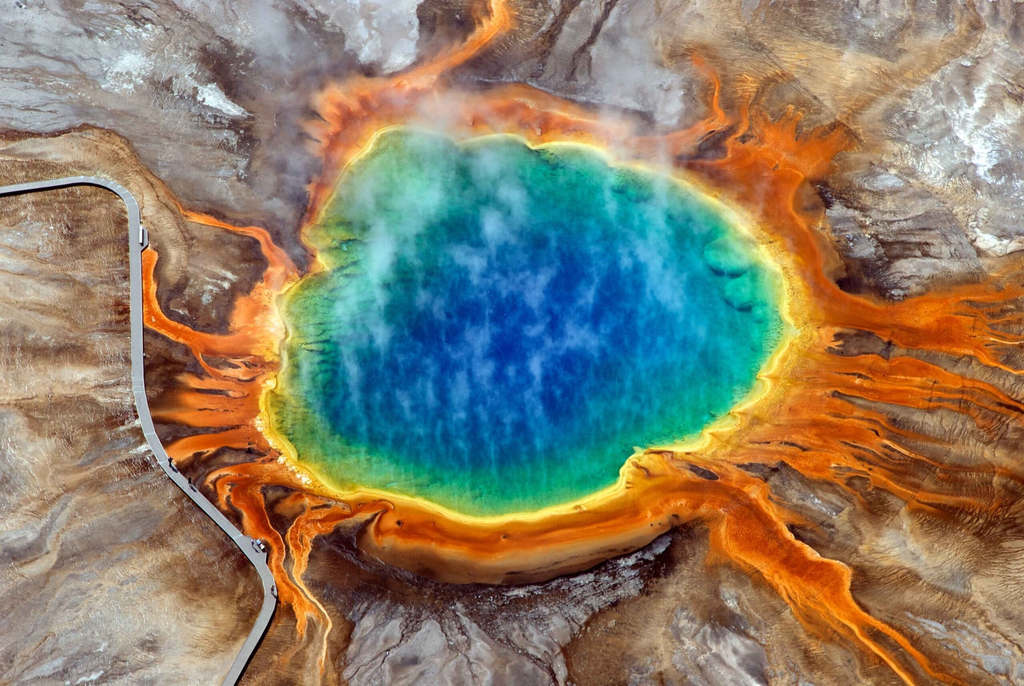
Grand Prismatic Spring is not a geyser, but it deserves a place on any Yellowstone geothermal itinerary. It is the park’s largest hot spring and is famous for its vivid rings of blue, green, yellow, and orange.
The colors come largely from heat-loving microorganisms that thrive in different water temperatures around the spring. Nearby, Midway Geyser Basin also features Excelsior Geyser Crater, a large hot spring that releases heated water into the Firehole River.
The Midway Geyser Basin area is a worthwhile stop for travelers who want to see more of Yellowstone’s geothermal scenery in one trip.
Remember that hot springs and geysers are different features. A hot spring generally releases heated water without the periodic eruptions that define a geyser.
6. Riverside Geyser: A Beautiful Eruption Near the River
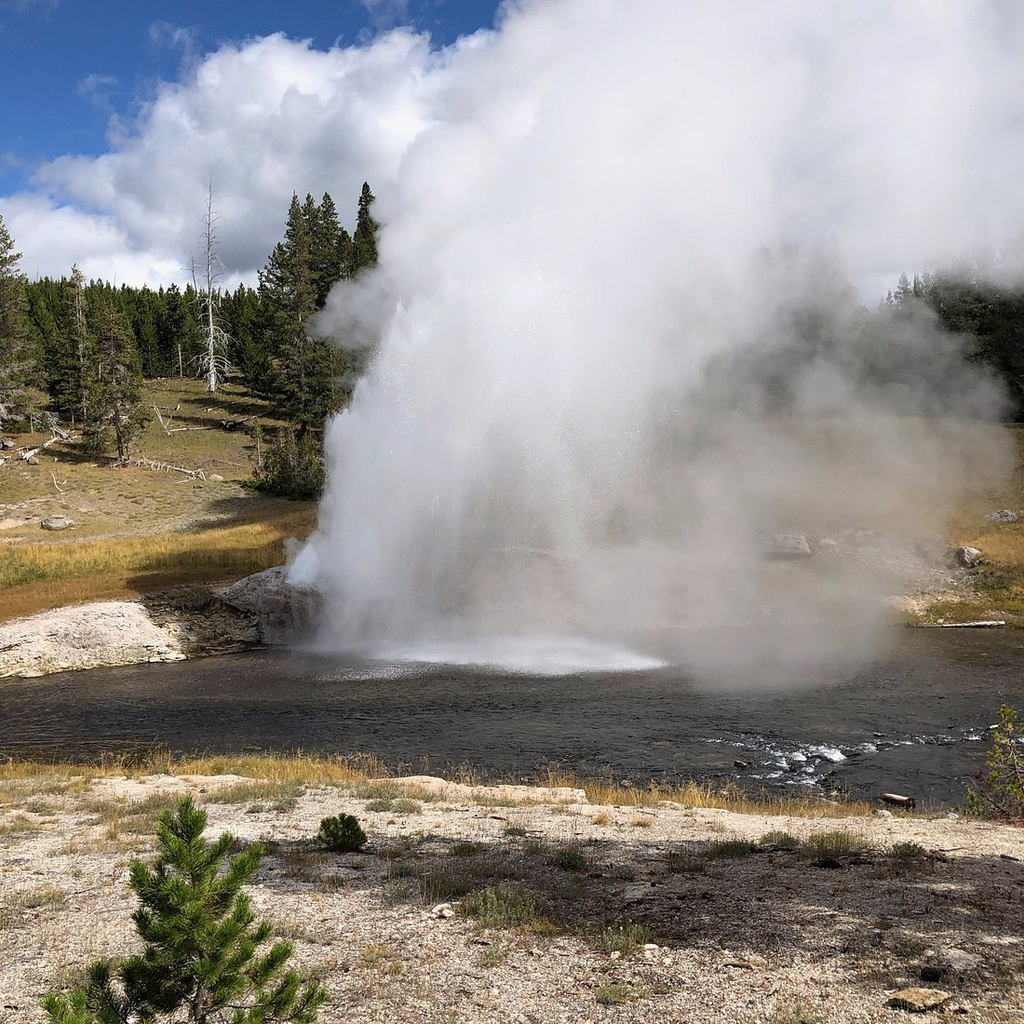
Riverside Geyser is a scenic feature in the Upper Geyser Basin. Its eruptions send water at an angle over the Firehole River, sometimes creating a rainbow in the mist when sunlight hits the spray.
This distinctive display makes Riverside especially appealing to photographers. The surrounding landscape also offers opportunities to enjoy Yellowstone’s geothermal scenery without focusing only on its most famous attraction.
If photography is part of your trip, a travel tripod may help you capture stable landscape images where tripods are permitted. Always keep yourself and your equipment within designated viewing areas.
7. Great Fountain Geyser: A Spectacular Lower Geyser Basin Stop
Great Fountain Geyser is located in the Lower Geyser Basin and erupts from a pool rather than a tall, narrow cone. During an eruption, water can shoot upward in several bursts, creating a broad display.
Its eruption intervals are much longer than Old Faithful’s, so timing a visit requires checking the latest available predictions. Even if you arrive between eruptions, the surrounding basin has plenty of geothermal scenery to appreciate.
Before setting out, review the park’s geyser activity updates for the latest available predictions and information.
Quick Comparison of the Best Geysers in Yellowstone
| Geyser or Feature | Location | What Makes It Special |
| Old Faithful | Upper Geyser Basin | Relatively predictable eruptions |
| Grand Geyser | Upper Geyser Basin | Powerful, high eruptions |
| Steamboat Geyser | Norris Geyser Basin | Exceptional major eruption height |
| Castle Geyser | Upper Geyser Basin | Large, castle-like mineral cone |
| Grand Prismatic Spring | Midway Geyser Basin | Brilliantly colored hot spring |
| Riverside Geyser | Upper Geyser Basin | Water arcs over the Firehole River |
| Great Fountain Geyser | Lower Geyser Basin | Broad bursts from a large pool |
How to Plan a Visit to Yellowstone’s Geysers
A little preparation can help you see more of the park without rushing between attractions.
- Check eruption predictions: Old Faithful and several other geysers have predictions available when conditions permit, but times are estimates rather than guarantees.
- Plan your route: Yellowstone is a large park, so group nearby attractions together to reduce driving time.
- Allow time for walking: Boardwalks and trails connect many geothermal features, and some areas require more walking than visitors expect.
- Bring water and sun protection: Conditions can change throughout the day, even during warmer months.
- Check seasonal access: Road closures, weather, construction, and other conditions can affect your itinerary. Review current park alerts before traveling.
If you’re planning a longer trip, choosing accommodation near your preferred entrance or geyser basin can reduce driving time. This guide to places to stay offers ideas for comparing accommodation options based on your travel plans.
Important Safety Tips for Visiting Geysers in Yellowstone
Yellowstone’s geothermal areas are beautiful, but the water can be dangerously hot, and the ground around some features is thin or unstable.
Stay on designated boardwalks and marked trails, even when a closer viewpoint looks tempting. Never touch the water, step onto thermal ground, or throw objects into geysers and hot springs.
Keep children close, follow posted signs, and obey temporary closures. Wildlife may also be present along roads and trails, so maintain a safe distance from animals.
Review the park’s safety guidelines before your visit, especially if you’re traveling with children.
Final Thoughts
The geysers in Yellowstone offer an unforgettable look at the natural forces beneath one of America’s most famous national parks. Old Faithful is a great starting point, while Grand Geyser, Steamboat Geyser, Castle Geyser, Riverside Geyser, and Great Fountain Geyser each offer a different experience.
Grand Prismatic Spring adds another highlight with its brilliant colors and unusual geothermal environment.
Plan your route, check eruption predictions, and follow all safety guidance. With a little preparation, you can enjoy Yellowstone’s geothermal wonders while helping protect this extraordinary landscape.
FAQs
1. How many geysers are in Yellowstone National Park?
Yellowstone has more than 500 geysers, along with thousands of other hydrothermal features, including hot springs, mudpots, and steam vents.
2. Which geyser in Yellowstone is easiest to predict?
Old Faithful is one of the most predictable major geysers in the park. Its eruptions typically occur around 90 minutes apart, but the interval can vary, so check current predictions.
3. When is the best time to see geysers in Yellowstone?
Summer generally offers broad visitor access, but it can be busy. Spring and fall may offer a quieter experience, although weather and seasonal closures can affect access. Check current park information before traveling.
