

Jaguars in Brazil attract wildlife lovers from around the world. These powerful big cats are known for their spotted coats, strong jaws, and ability to move through forests, wetlands, and riverside habitats. Brazil is one of the most important countries for jaguar conservation, with significant populations living in the Amazon and Pantanal regions.
- 1. Visit the Pantanal for Jaguar Watching
- 2. Explore the Amazon Rainforest
- 3. Learn What Makes Jaguars So Special
- 4. Choose the Right Time for a Jaguar Safari
- 5. Experience a Guided Jaguar-Watching Tour
- 6. Understand the Challenges Facing Jaguars
- 7. Prepare for Your Brazil Wildlife Trip
- 8. Practice Responsible Jaguar Photography
- 9. Make the Most of Your Jaguar Adventure
- Conclusion
- FAQs
Unlike a traditional African safari, a jaguar-watching trip in Brazil often involves exploring waterways, scanning riverbanks, and traveling through remote natural landscapes with experienced guides. Spotting one of these elusive animals can take patience, but the experience is rewarding for nature enthusiasts and photographers.
According to the World Wildlife Fund’s jaguar overview, jaguars are the largest cats in the Americas and play an important role in maintaining healthy ecosystems.
1. Visit the Pantanal for Jaguar Watching
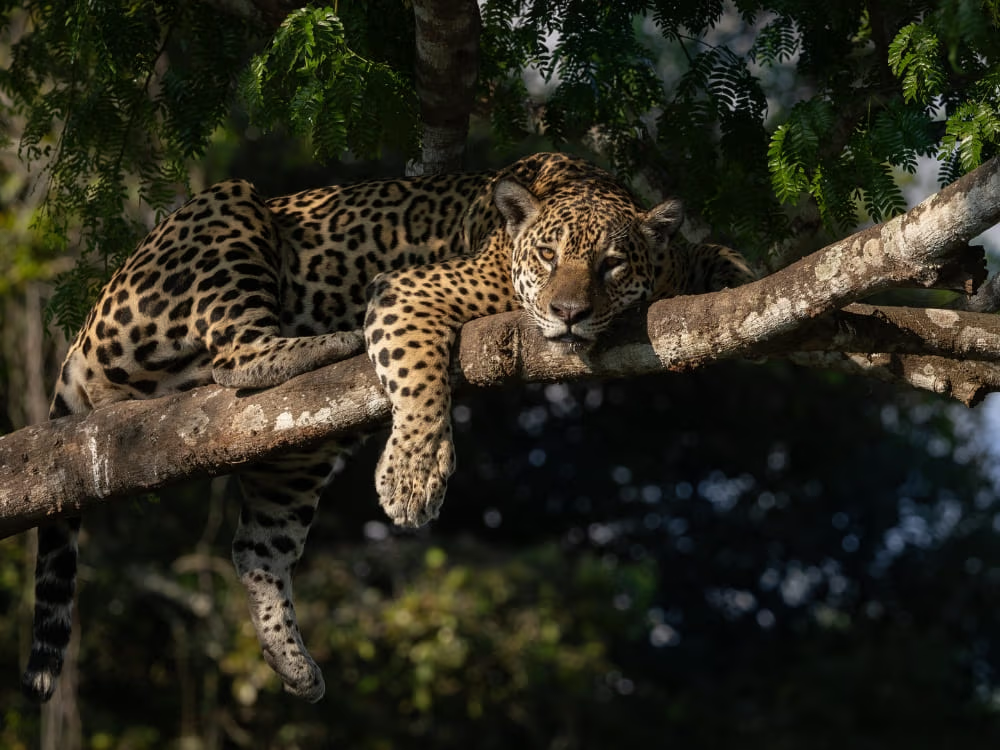
The Pantanal is one of the best-known places to look for jaguars in Brazil. This enormous tropical wetland supports abundant wildlife and offers visitors opportunities to observe jaguars in their natural environment.
The northern Pantanal, particularly areas around Porto Jofre, is popular for guided jaguar-watching excursions. Boat trips along rivers and channels allow guides to search riverbanks and nearby vegetation for cats resting, walking, or hunting.
Sightings are never guaranteed, and conditions vary by season. Still, the combination of waterways, wildlife, and open riverbanks makes the Pantanal a leading destination for travelers hoping to see jaguars.
The WWF’s Pantanal guide explains why this wetland is so important for jaguars and other wildlife.
2. Explore the Amazon Rainforest
The Amazon is another important habitat for jaguars in Brazil. Its vast forests, rivers, and wetlands support a remarkable variety of plants and animals, including prey species that jaguars depend on.
Seeing a jaguar in the Amazon can be challenging because dense vegetation makes these cats difficult to spot. Wildlife encounters often depend on the location, local conditions, and the knowledge of experienced guides.
Travelers visiting the region can combine wildlife excursions with river journeys, birdwatching, and opportunities to learn about rainforest ecosystems and local cultures.
The WWF’s Amazon overview highlights the region’s extraordinary biodiversity and the importance of protecting its forests and wildlife.
3. Learn What Makes Jaguars So Special
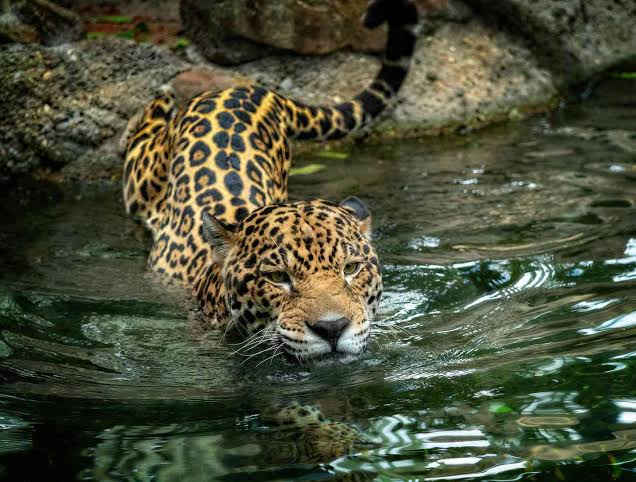
Jaguars are recognizable by their golden coats and dark rosette-shaped markings. They are powerful predators with muscular bodies, strong jaws, and excellent swimming abilities.
Unlike many other big cats, jaguars regularly enter the water. Their hunting skills allow them to prey on a variety of animals, including capybaras, deer, peccaries, and caimans.
They are generally solitary, so visitors should not expect to see groups of adult jaguars together. Much of their activity occurs around dawn, dusk, or nighttime, although daytime sightings can happen in suitable locations.
Learning about their behavior before a trip can make a wildlife excursion more interesting. Rather than focusing only on getting a photograph, watch how the animal moves through its habitat and interacts with its surroundings.
4. Choose the Right Time for a Jaguar Safari
The timing of your trip can influence your chances of seeing jaguars. In the Pantanal, the drier months are often popular for wildlife viewing because river access and visibility can be favorable in certain areas.
The general dry season runs from around May to September, although exact conditions vary across the region. Jaguar-watching excursions in the northern Pantanal are particularly associated with the period when boat access and river conditions support wildlife observation.
The wetter season can bring dramatic landscapes and changing wildlife patterns, but flooding and weather may affect transportation and excursion availability.
Before booking, ask your tour operator about recent sightings, seasonal river conditions, and the best travel dates for the specific area you plan to visit.
5. Experience a Guided Jaguar-Watching Tour
A guided tour can make a significant difference when searching for jaguars in Brazil. Experienced local guides know the waterways, understand animal behavior, and can help visitors recognize signs of wildlife.
In the Pantanal, many excursions use small boats to explore rivers and channels. These trips may also reveal capybaras, caimans, giant otters, and numerous bird species.
Some tours operate as day trips, while others form part of multi-day packages that include accommodation, meals, transportation, and several wildlife excursions.
Compare tour inclusions carefully before booking. Check group sizes, boat safety, guide experience, cancellation policies, and whether transportation to the departure point is included.
For a broader look at planning trips around distinctive outdoor experiences, adventure travel inspiration can help you explore different ways to build an experience-focused itinerary.
6. Understand the Challenges Facing Jaguars
Despite their importance to Brazil’s natural heritage, jaguars face serious conservation challenges. Habitat loss, deforestation, fires, illegal hunting, and conflicts with livestock producers can threaten their survival.
When natural habitats shrink or become fragmented, jaguars may lose access to prey and safe areas for movement. Conflicts can also arise when cats attack livestock near their remaining habitats.
The WWF’s jaguar conservation information explains why protecting connected habitats and reducing human-wildlife conflict are essential for the species’ future.
Responsible tourism can help support conservation when operators work with local communities and follow wildlife-friendly practices. Travelers can contribute by choosing reputable guides, respecting viewing distances, and avoiding tours that encourage feeding, baiting, or disturbing animals.
7. Prepare for Your Brazil Wildlife Trip
A jaguar-watching trip usually involves outdoor conditions, boat travel, and time spent observing wildlife. Lightweight clothing, comfortable footwear, sun protection, insect repellent, and a waterproof bag can help you prepare.
Binoculars are useful for observing animals from a respectful distance, while a camera with a suitable zoom lens can help you capture photographs without approaching wildlife.
Keep valuables and travel documents secure while moving between airports, lodges, and excursion locations. A practical travel wallet can help organize essential cards and documents during your journey.
You should also check entry requirements, travel insurance, local transportation arrangements, and any recommended health precautions before departure.
If you are planning to explore several parts of the country, review Brazil travel safety considerations alongside the arrangements for your wildlife excursion.
8. Practice Responsible Jaguar Photography
Photographing a jaguar in the wild can be an unforgettable experience, but the animal’s welfare should always come first.
Follow your guide’s instructions, keep a safe distance, and avoid actions that could interrupt hunting, resting, or other natural behavior. Never try to attract a jaguar by feeding it or making noises to provoke a reaction.
A longer camera lens can help you capture close-looking photographs without moving closer to the animal. Patience is also important because jaguars may remain hidden or disappear into vegetation without warning.
Remember that a responsible wildlife experience is about observing animals on their own terms, not guaranteeing a close-up photograph.
9. Make the Most of Your Jaguar Adventure
A trip focused on jaguars can also introduce you to Brazil’s wider natural environment. Depending on your itinerary, you may encounter tropical birds, monkeys, caimans, giant otters, and a variety of wetland or rainforest species.
Consider allowing several days for wildlife excursions rather than relying on a single outing. This gives you more opportunities to explore different areas and enjoy the scenery, even if jaguar sightings are limited.
You can also learn about local conservation initiatives and the communities whose livelihoods are connected to these landscapes.
Before finalizing your itinerary, balance travel time, accommodation, excursion costs, and your interest in photography or general wildlife observation.
Conclusion
Jaguars in Brazil offer wildlife enthusiasts an opportunity to discover one of the Americas’ most impressive predators in its natural habitat. The Pantanal is a particularly popular destination for jaguar watching, while the Amazon provides another important setting for these elusive cats.
Choosing the right season, booking experienced local guides, and allowing enough time for wildlife excursions can improve your overall experience. Just as importantly, responsible tourism helps protect the animals and habitats that make these journeys special.
Whether you are a wildlife photographer or simply love nature, a thoughtfully planned jaguar safari can be a memorable way to explore Brazil’s extraordinary biodiversity.
FAQs
1. Where is the best place to see jaguars in Brazil?
The Pantanal, especially the northern region around Porto Jofre, is one of the most popular destinations for jaguar watching. The Amazon also supports jaguar populations, although dense vegetation can make sightings more difficult.
2. What is the best time to see jaguars in Brazil?
The drier months, generally from May to September in the Pantanal, are often favored for wildlife viewing. Exact conditions vary, so check local river levels and tour availability before booking.
3. Are jaguar safaris in Brazil safe?
Guided excursions can be conducted responsibly when visitors follow their guides’ instructions and maintain appropriate distances from wildlife. Choose reputable operators and never attempt to approach, feed, or provoke a jaguar.
