
A visit to a Tanzania national park offers an unforgettable opportunity to experience Africa’s wildlife, beautiful landscapes, and remarkable natural diversity. From lions roaming across open plains to elephants moving through ancient baobab trees, Tanzania is home to some of the continent’s most exciting safari destinations.
- Why Visit a Tanzania National Park?
- 1. Serengeti National Park
- 2. Tarangire National Park
- 3. Nyerere National Park
- 4. Lake Manyara National Park
- 5. Kilimanjaro National Park
- Best Time to Visit Tanzania National Parks
- What to Pack for a Tanzania Safari
- Where to Stay in Tanzania National Parks
- How to Choose the Right Tanzania National Park
- Conclusion
- FAQs
Whether you want to witness the Great Wildebeest Migration, photograph wild animals, or explore mountain scenery, Tanzania has a national park to match your interests. Each destination offers a different experience, making it worth choosing your parks carefully before planning your trip.
Why Visit a Tanzania National Park?
Tanzania is famous for its protected wildlife areas, diverse ecosystems, and outstanding safari experiences. Visitors can enjoy guided game drives, birdwatching, hiking, photography, and, in selected parks, walking or boat safaris.
The Tanzania National Parks Authority provides information about park attractions, activities, accommodation, and visitor guidelines to help travelers plan their adventures.
Some parks are known for large animal populations, while others stand out for their forests, rivers, lakes, or mountain trails. This variety makes Tanzania appealing to first-time safari visitors as well as experienced wildlife enthusiasts.
1. Serengeti National Park
Serengeti National Park is one of Tanzania’s most famous safari destinations. Its vast grasslands and open plains support lions, leopards, elephants, buffalo, zebras, and many other species.
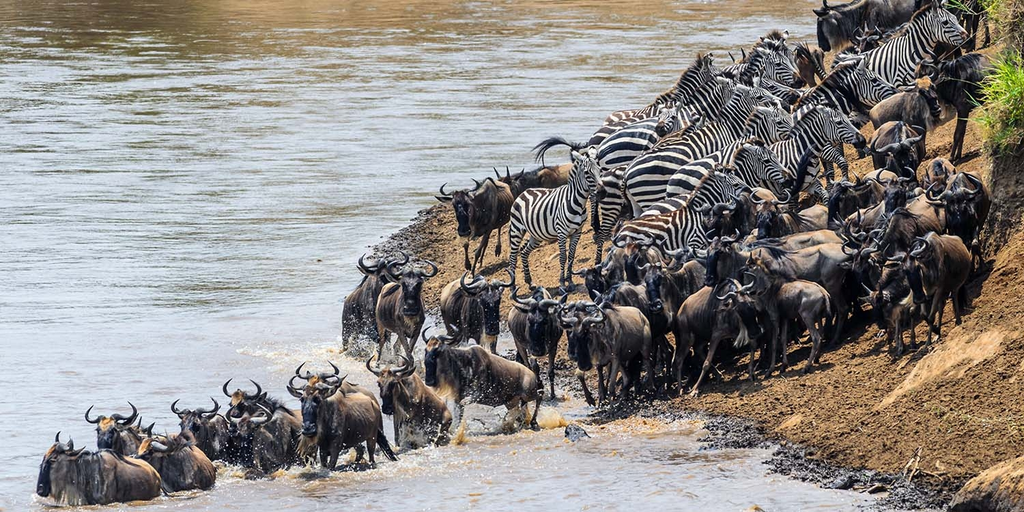
The park is particularly well known for the Great Wildebeest Migration, when huge herds of wildebeest and other grazing animals move through the Serengeti ecosystem in search of fresh grass and water. The timing and location of the herds change throughout the year, so the best place to see them depends on your travel dates.
Game drives offer opportunities to observe wildlife in its natural environment, while hot-air balloon safaris provide a different perspective on the landscape. The official Serengeti National Park guide provides more information about wildlife, activities, and seasonal visits.
2. Tarangire National Park
Tarangire National Park is especially popular with travelers who want to see elephants in a beautiful natural setting. The park is known for its large elephant herds, distinctive baobab trees, and seasonal wildlife gatherings.
During the dry season, animals often gather around the Tarangire River as water becomes less available elsewhere. Visitors may spot giraffes, zebras, wildebeest, buffalo, and predators during guided game drives.
Tarangire is a rewarding addition to a northern Tanzania safari, particularly for travelers who want to explore beyond the Serengeti. The Tarangire visitor guide covers practical information about getting there, accommodation, safety, and park regulations.
3. Nyerere National Park
Nyerere National Park offers a different atmosphere from the open plains of northern Tanzania. Its landscapes include woodlands, floodplains, lakes, and waterways connected to the Rufiji River system.
Wildlife includes elephants, lions, buffalo, hippos, crocodiles, and a variety of bird species. African wild dogs are also among the animals visitors may hope to see.
One of the park’s distinctive experiences is a guided boat safari, allowing travelers to observe river scenery and wildlife from the water. Game drives provide another way to explore this extensive wilderness area.
Nyerere can be a good choice for travelers seeking a southern Tanzania safari with varied landscapes and opportunities to experience nature away from the busiest northern routes.
4. Lake Manyara National Park
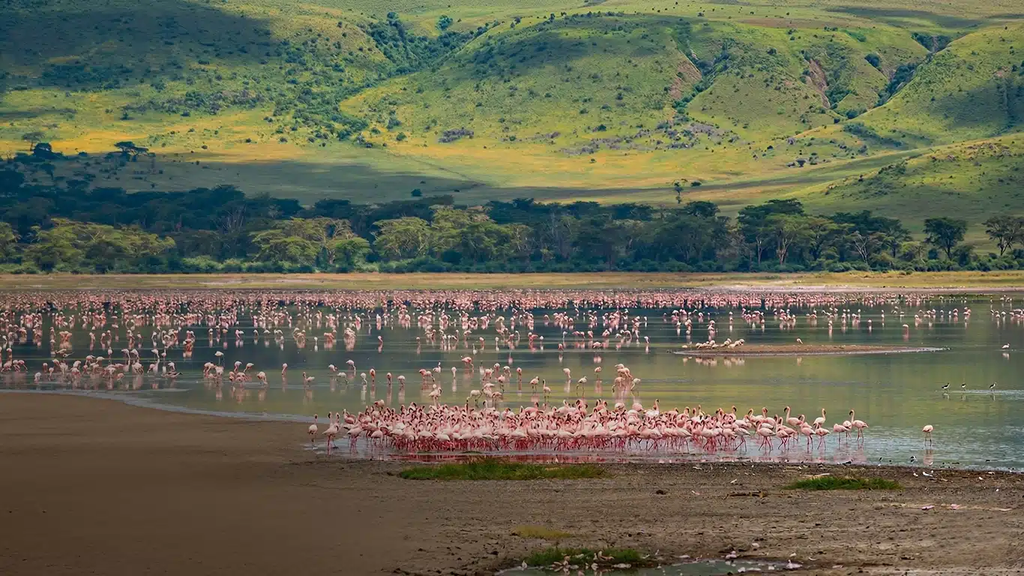
Lake Manyara National Park combines woodland, open areas, and lake scenery within a relatively compact destination. Its habitats support elephants, giraffes, baboons, zebras, and numerous bird species.
The park is also associated with tree-climbing lions, although sightings are never guaranteed. Birdwatchers may find the area particularly interesting when waterbirds gather around the lake.
Because Lake Manyara can be combined with other northern safari destinations, it works well for travelers who want to experience several different environments during one trip.
5. Kilimanjaro National Park
Kilimanjaro National Park is an excellent choice for travelers interested in mountain adventures rather than traditional wildlife viewing alone. It protects Mount Kilimanjaro, Africa’s highest mountain, along with the surrounding natural environments.
Climbers pass through different ecological zones, including forest, moorland, and high-altitude landscapes. Reaching the summit requires preparation, appropriate equipment, sufficient time for acclimatization, and a properly organized climb.
Even if you do not plan to climb, the mountain’s dramatic scenery can be a highlight of a trip to northern Tanzania.
Best Time to Visit Tanzania National Parks
The ideal time depends on which parks you plan to visit and the wildlife experiences you want. Conditions vary between regions, and rainfall can influence animal movements, road access, and vegetation.
- June to October: A popular period for wildlife viewing in many safari areas, as vegetation is often thinner and animals may gather around available water.
- January to February: Often a rewarding time to visit the southern Serengeti during the wildebeest calving season.
- March to May: The long rains bring greener scenery, but wet conditions can affect some roads and activities.
- November to December: The short rains can refresh the landscape, with conditions varying between parks.
If the Great Migration is your priority, plan around the location of the herds rather than relying on a single fixed date. Wildlife sightings depend on natural conditions, so no itinerary can guarantee that you will see a particular animal.
What to Pack for a Tanzania Safari
Comfortable clothing, sun protection, binoculars, insect repellent, and a camera can make your safari more enjoyable. Choose lightweight layers that work for warm afternoons and cooler early mornings.
For wildlife photography, a suitable camera and stable support can help you capture distant animals. Comparing options in this guide to travel tripods may help you choose equipment that fits your photography style and luggage needs.
Follow your guide’s instructions, keep a safe distance from wildlife, and remain inside your vehicle except at designated locations. Before departure, check current park fees, accommodation availability, transportation arrangements, and entry requirements.
Where to Stay in Tanzania National Parks
Accommodation options range from campsites and basic facilities to permanent tented camps and luxury lodges. Staying inside or near a park can reduce travel time and make it easier to join early-morning game drives.
Your choice should depend on your budget, preferred comfort level, and the parks included in your itinerary. If you are comparing accommodation styles for a longer trip, this guide to different places to stay can help you consider which option best suits your travel plans.
Book well in advance for popular travel periods, particularly if you want a specific lodge or tented camp. Also confirm whether meals, transfers, park fees, and safari activities are included in the quoted price.
How to Choose the Right Tanzania National Park
The best park for you depends on your interests and available time.
- For the Great Migration: Choose Serengeti and plan around seasonal herd movements.
- For elephants: Consider Tarangire, particularly during the dry season.
- For river scenery: Nyerere offers boat-safari opportunities and diverse wildlife habitats.
- For birdwatching: Lake Manyara provides a range of habitats and birdlife.
- For mountain trekking: Kilimanjaro National Park is the leading choice for climbing Mount Kilimanjaro.
You can combine multiple parks if your schedule and budget allow. However, avoid squeezing too many destinations into a short trip, as long transfers can reduce the time available for wildlife viewing.
Conclusion
A Tanzania national park adventure offers much more than a traditional safari. From Serengeti’s open plains and Tarangire’s elephants to Nyerere’s waterways and Kilimanjaro’s mountain landscapes, each destination reveals a different side of Tanzania’s natural beauty.
Choose your parks according to the season, activities, budget, and time available. With thoughtful planning and responsible wildlife viewing, you can create a memorable African adventure while supporting the protection of these extraordinary natural environments.
FAQs
Which Tanzania national park is best for wildlife?
Serengeti is a popular choice for classic safari experiences and the Great Migration. Tarangire is especially known for elephants, while Nyerere offers river-based experiences and diverse wildlife.
What is the best month to visit Tanzania national parks?
June to October is generally popular for wildlife viewing in many parks. January and February can be rewarding for the wildebeest calving season in the southern Serengeti, depending on conditions.
Can you stay inside Tanzania national parks?
Yes. Selected parks offer lodges, tented camps, campsites, cottages, and other accommodation options. Availability and facilities vary, so booking ahead is recommended.
